

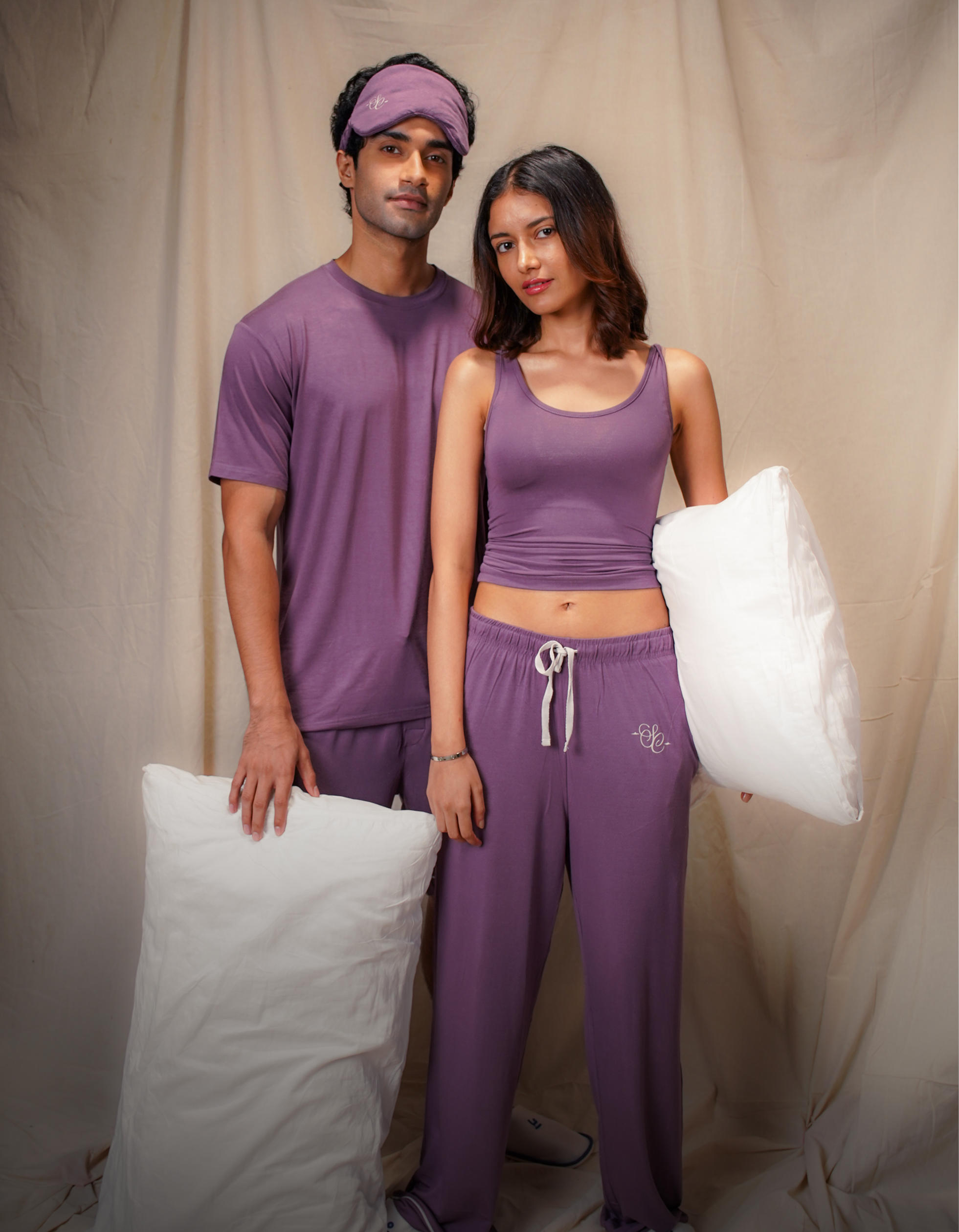
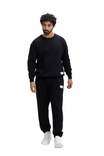
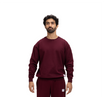
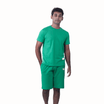
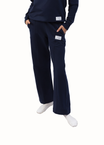
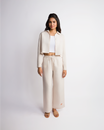

Genderless fashion means designing clothing based on fit and function, not gender, and it's why every One Less piece is made without a "his" or "her" tag attached.
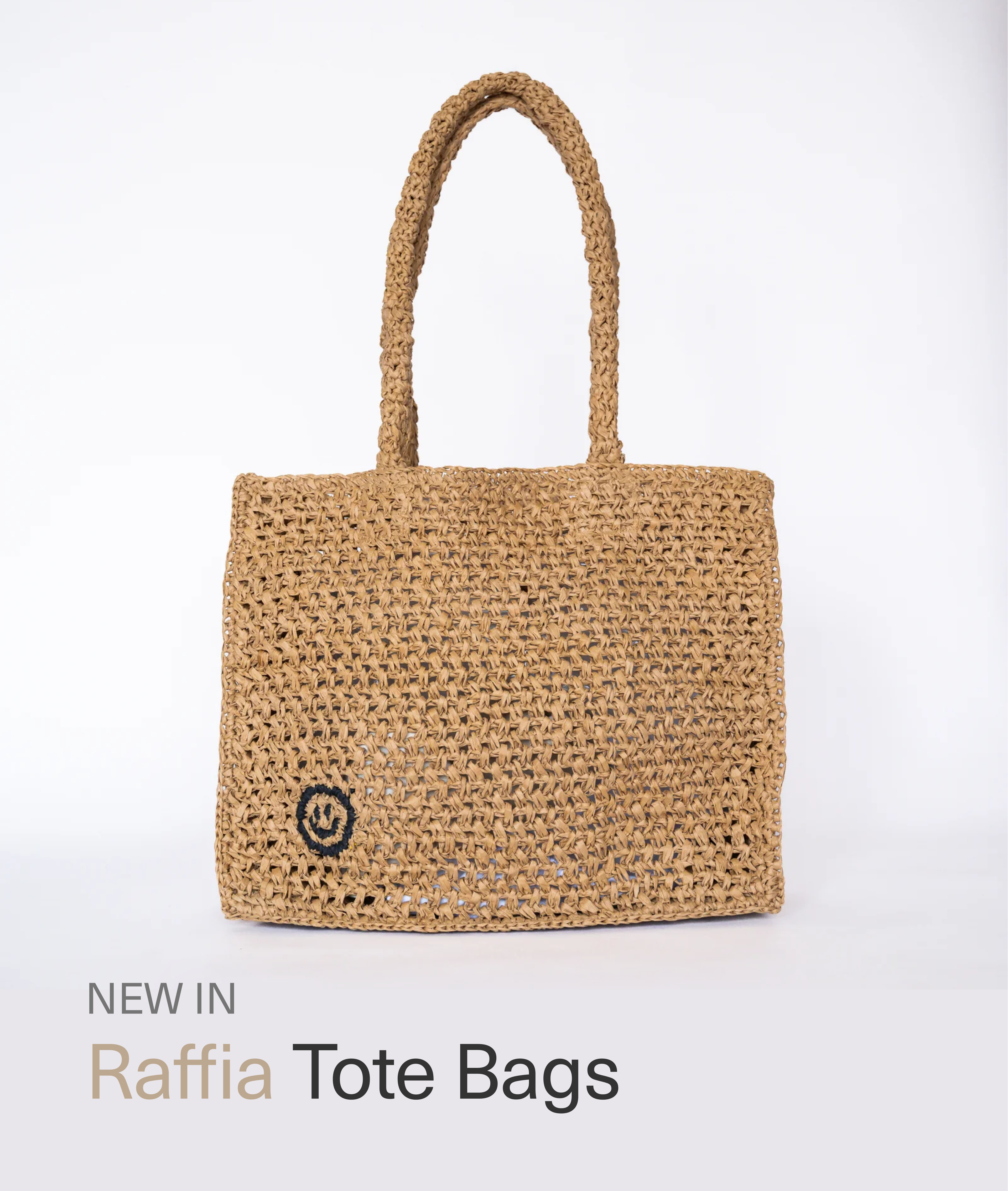
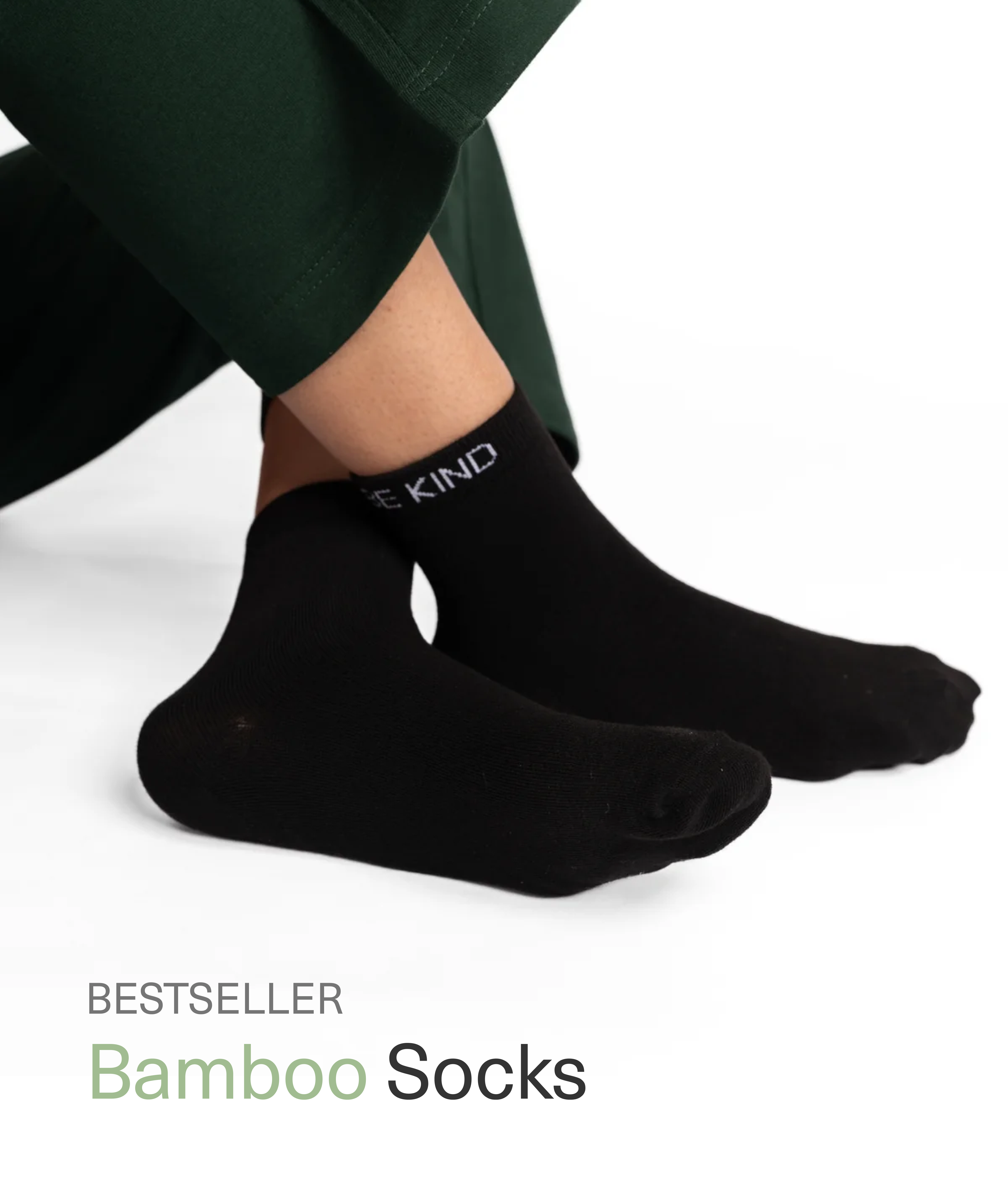
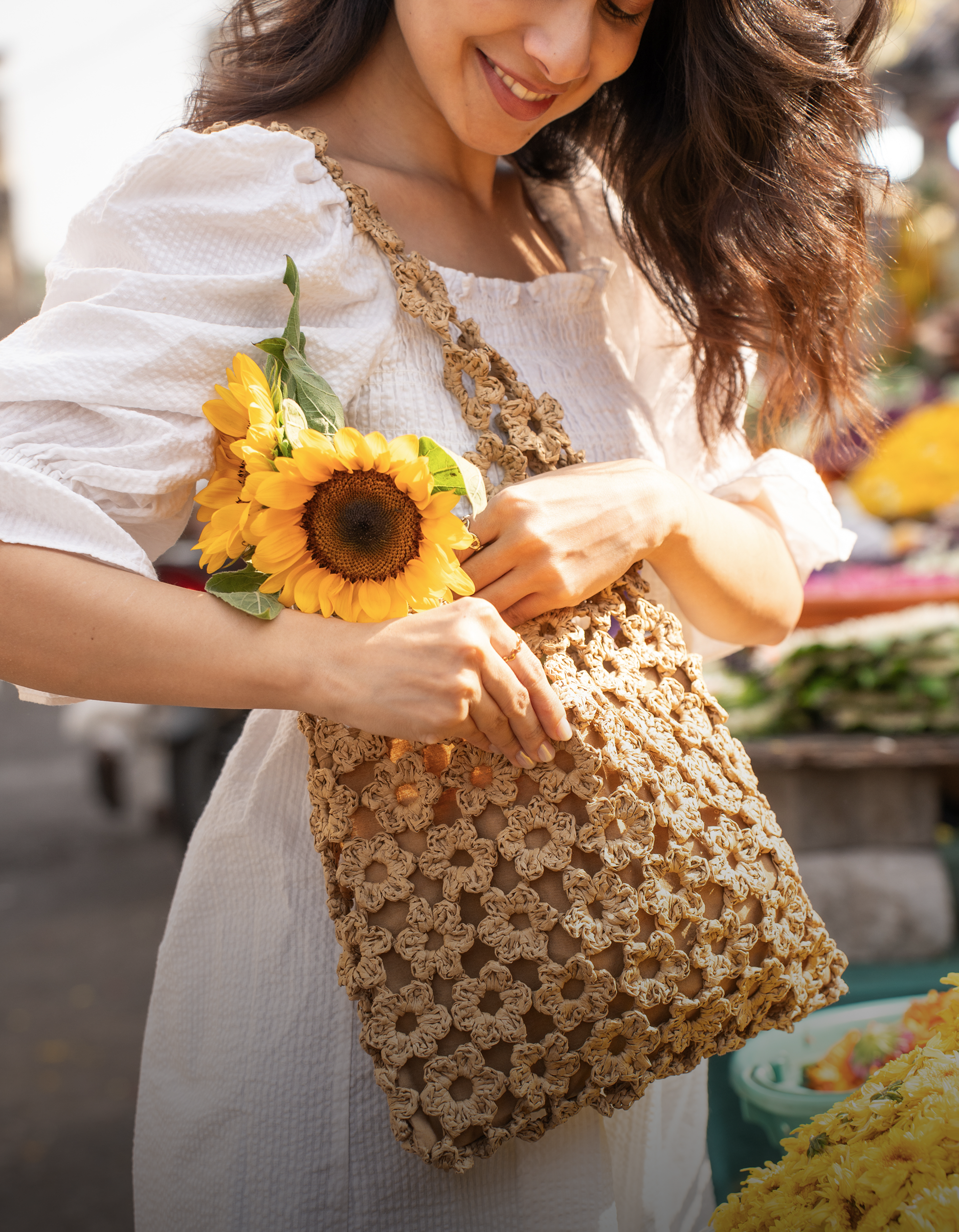
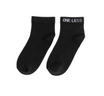
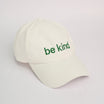
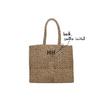
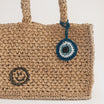
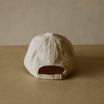
Walk into most clothing stores, online or offline, and the first choice you're forced to make isn't about style, fit, or fabric - it's "Men's" or "Women's." One Less skips that question entirely. Our T-Shirts, Sweatshirts, Sweatpants, Tank Tops, and Shorts, all made from GOTS-certified organic cotton - along with accessories like Caps, Raffia Bags, Bamboo Socks, and Keychains - are designed to be worn by anyone, without a gendered aisle standing in the way.
The Problem With Gendered Sizing
Gendered clothing was never really about biology, it was about marketing categories that made shopping easier to organize, not easier to shop. Somewhere along the way, "men's fit" started meaning boxy and oversized, and "women's fit" started meaning fitted and narrow, regardless of the body actually wearing the clothes.
That system leaves a lot of people out. Anyone whose body, style preference, or identity doesn't match the label they're supposed to shop under ends up compromising, sizing up, sizing down, or just not buying at all.
What Genderless Actually Means at One Less
Genderless doesn't mean shapeless or one-size-fits-nobody. It means:
-
Fit based on measurements, not gender assumptions - Our size charts describe the garment, not who's "supposed" to wear it
-
Design based on versatility - Oversized tees, straight-leg sweatpants, and unisex cuts that work across body types
-
No pink-for-her, blue-for-him defaults - Colorways are chosen for the piece, not a gender stereotype
-
Consistent fabric standards across every fit - The same GOTS-certified organic cotton and OEKO-TEX certified dyeing process, regardless of size or style
How Genderless Fashion Reduces Waste
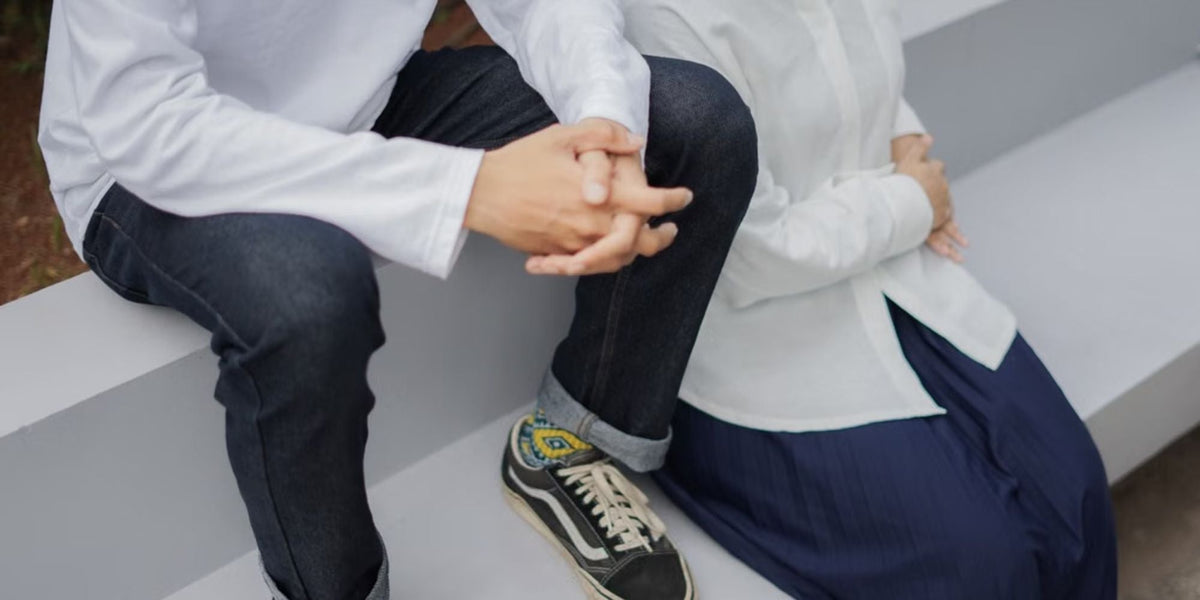
A genderless wardrobe is also a smaller, more useful one. When clothes aren't split into "his" and "her" versions of the same basic tee, couples, roommates, and siblings can actually share their wardrobe - fewer duplicate purchases, less fabric produced, less waste. It's a quieter form of sustainability that doesn't get talked about as much as organic cotton or recycled packaging, but it adds up.
There's also a simpler reason: Clothing shouldn't come with judgment attached. One Less exists to be one less pressure on you to conform to trends, one less judgment on your gender or personal choices, you shouldn't have to justify why you're standing in the "wrong" section of a store.
The Bottom Line
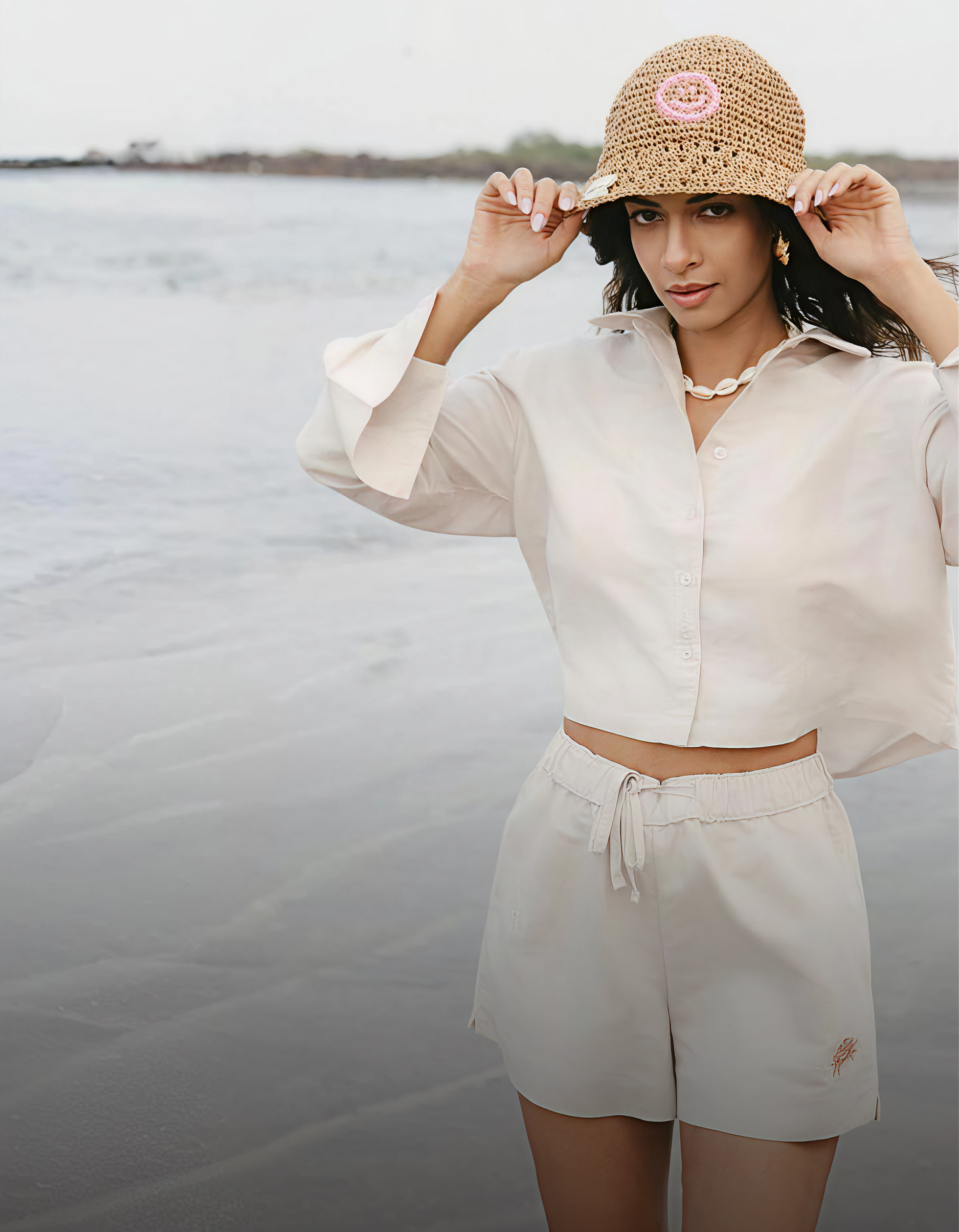
Genderless clothing isn't a trend at One Less - it's the default. Every T-shirt, sweatshirt, sweatpant, and accessory is designed to fit the person, not a label. If you're tired of shopping by gender instead of by fit, our [unisex range] is built exactly for that.
FAQs
Q: Is One Less clothing unisex or gender-specific?
All core apparel, T-shirts, sweatshirts, sweatpants, tank tops, shorts, and accessories are designed as unisex, with no gender-specific fit.
Q: How do I find my size if there's no "men's" or "women's" chart?
Our size chart is based on body measurements (chest, waist, length), so you pick a size based on your actual measurements, not a gendered label.
Q: Does genderless mean the fit is baggy or shapeless?
No, genderless just means the fit isn't assigned by gender. Some styles are relaxed, others are more fitted; the choice is based on the design, not who's "supposed" to wear it.
Q: Is genderless fashion only for certain body types?
No. The goal of unisex sizing is the opposite: to work across a wider range of body types than gender-specific sizing typically allows.
Q: Why does One Less avoid gendered marketing?
Because clothing shouldn't come with judgment attached. Removing the gender label removes an unnecessary barrier to just picking what you like.
Q: Is this just a marketing trend?
Genderless fashion has been growing steadily for over a decade, but for One Less it's not a trend, it's been the brand's design principle from day one.
Q: Does buying genderless clothing actually reduce waste?
Yes, when the same pieces can be worn by more people, fewer near-duplicate garments need to be produced and bought overall.



Leave a comment
This site is protected by hCaptcha and the hCaptcha Privacy Policy and Terms of Service apply.