




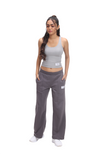


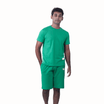
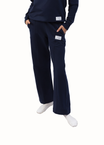





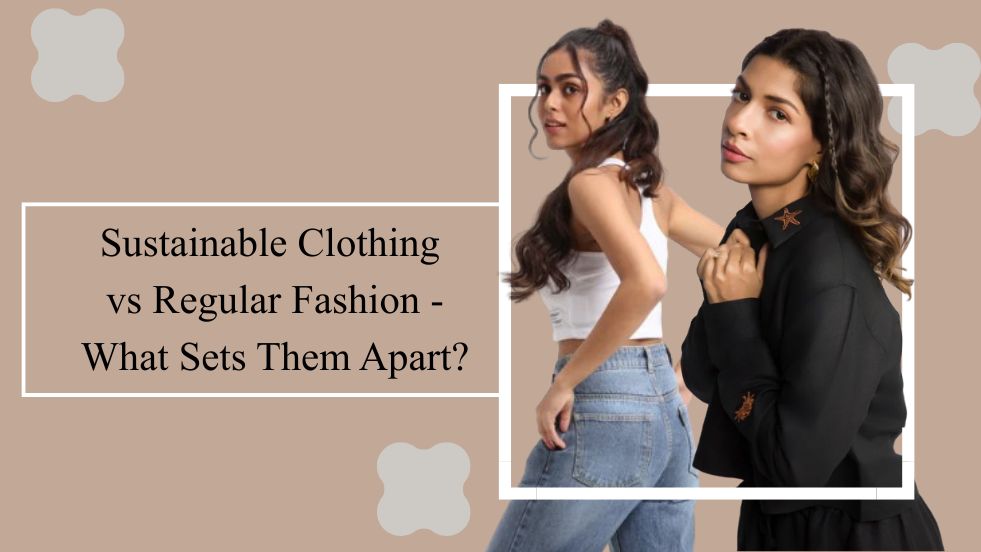
Every time you buy a new shirt or pair of jeans, you make a choice that impacts our planet. The fashion industry is one of the world's biggest polluters, contributing to water waste, carbon emissions, and textile landfills. But there's good news; sustainable clothing offers a better path forward. It's not just about looking good; it's about feeling good knowing your clothes don't harm the environment or exploit workers.
As more people become conscious consumers, understanding the real difference between sustainable and regular fashion has never been more important. Let's explore what truly sets sustainable clothing apart and why it matters for our future.
What Is Sustainable Clothing?

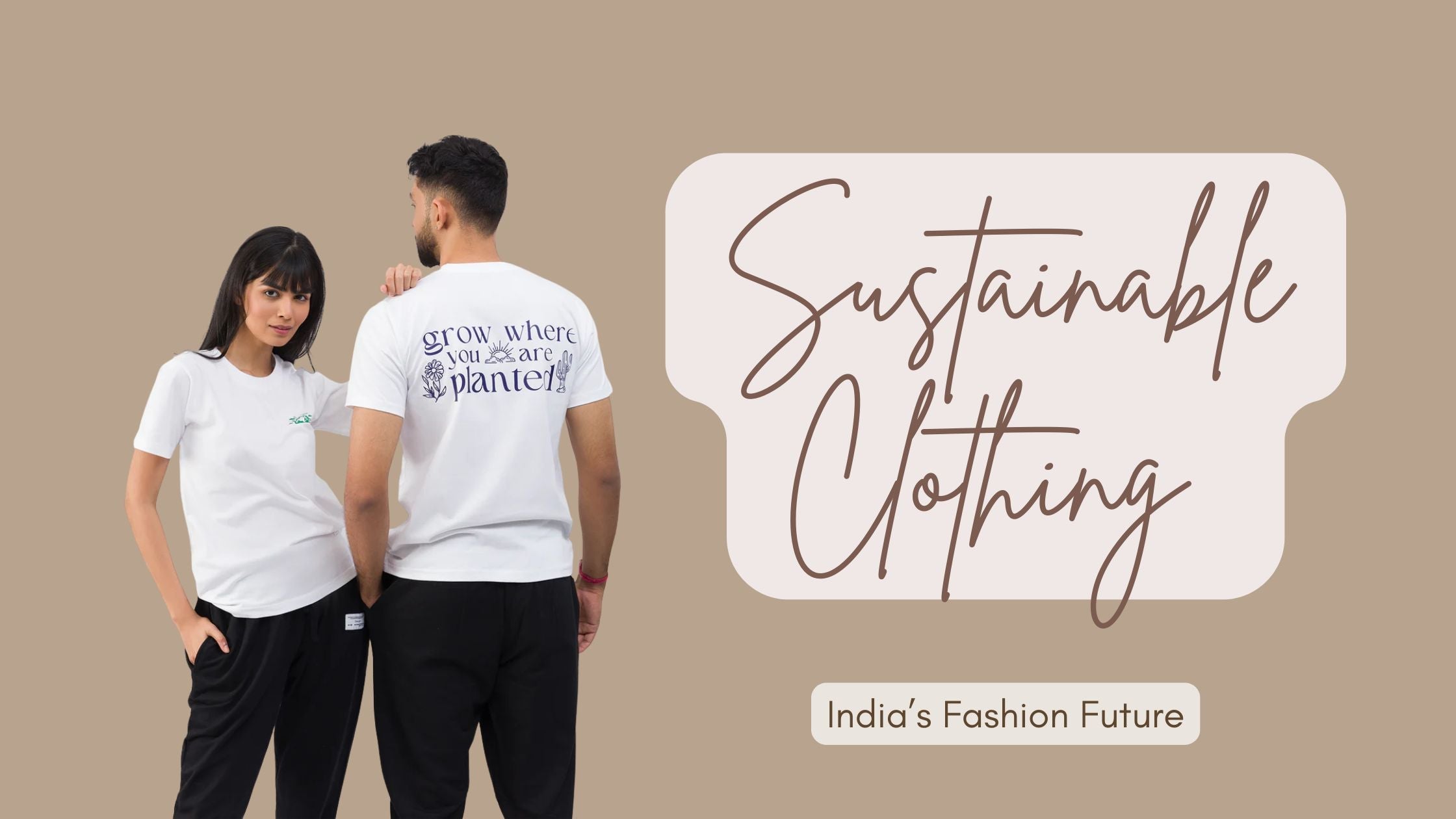
Sustainable clothing is made with the planet and people in mind. Unlike fast fashion that prioritizes speed and low costs, sustainable fashion focuses on eco-friendly materials, ethical production with fair wages, long-lasting quality over disposable trends, and minimal environmental impact throughout the supply chain.
The Materials Make All the Difference
Regular Fashion:
Uses synthetic fabrics like polyester and nylon derived from petroleum. Conventional cotton farming consumes massive amounts of water and relies on harmful pesticides that damage soil and ecosystems. These materials contain toxic dyes and release microplastics into the oceans when washed.
Sustainable Clothing:
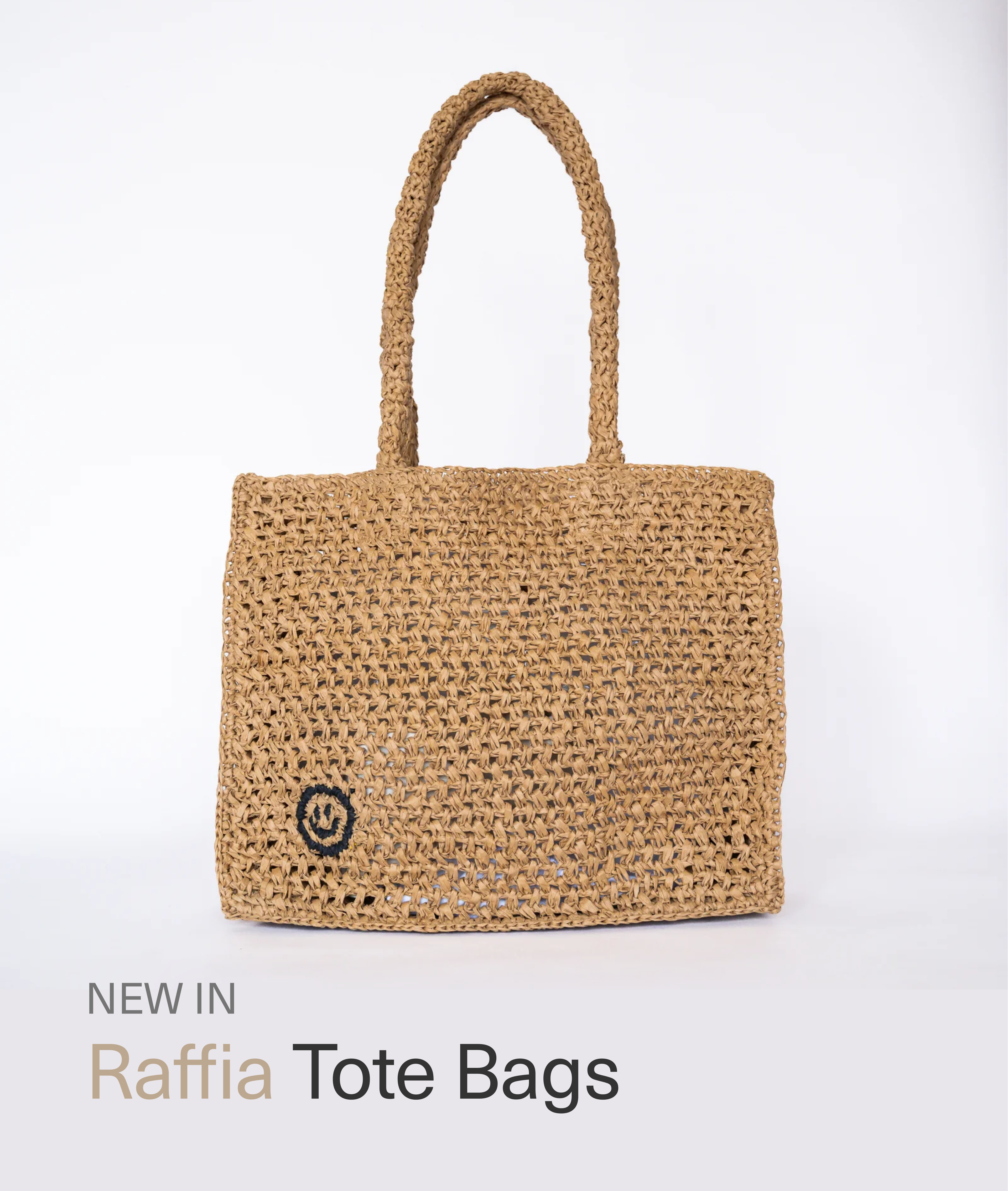
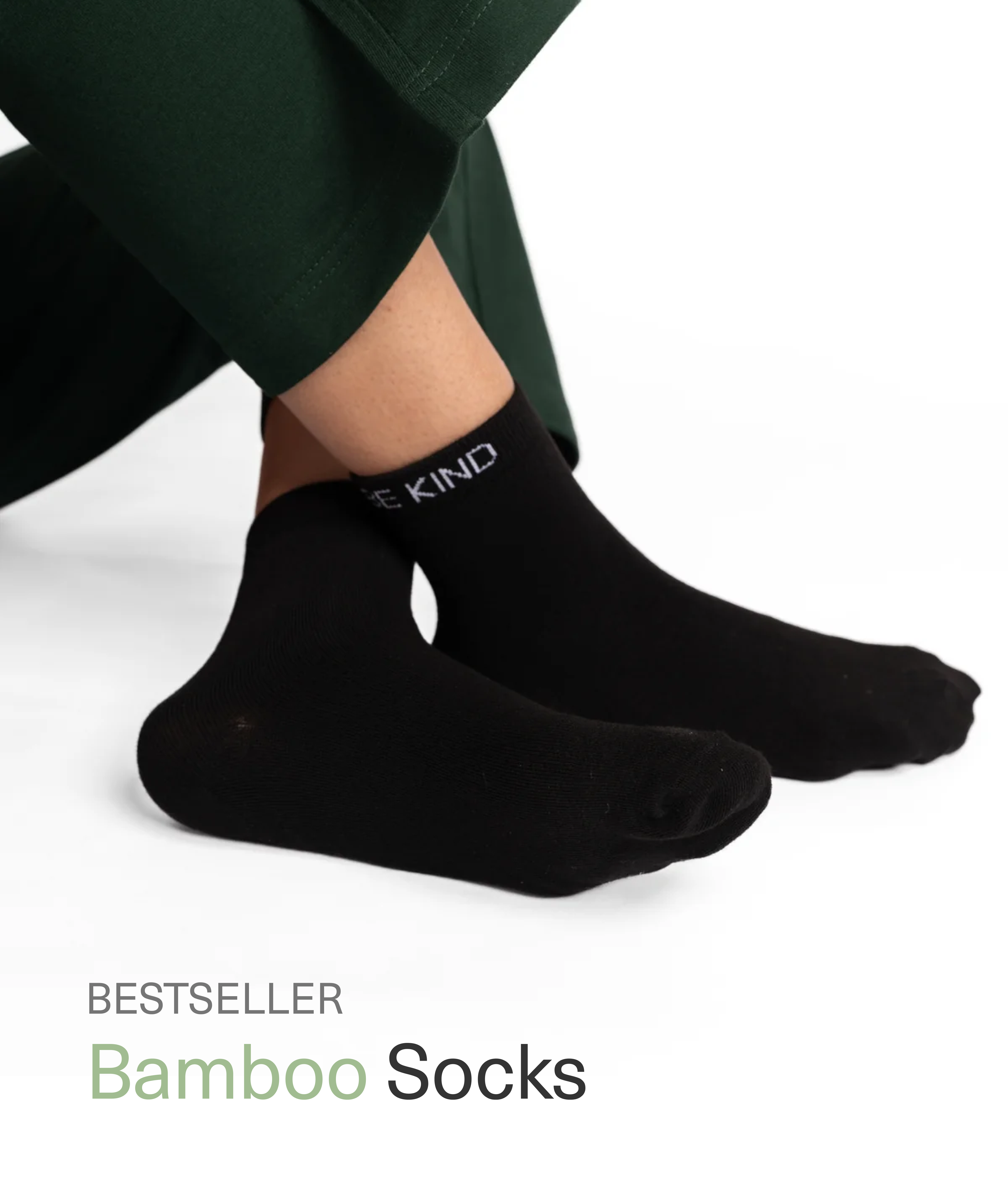
Takes a smarter approach with organic cotton that uses 91% less water than conventional cotton. Brands incorporate hemp, bamboo, and recycled materials that reduce waste and pollution. These natural fibers are biodegradable, chemical-free, and gentle on your skin while protecting ocean health.
Ethical Production: People Over Profits
Regular Fashion:
Thrives on exploitation, with workers facing dangerous conditions in overcrowded factories. They earn poverty wages, work excessive hours, and receive no benefits. The rush to produce cheap clothing creates a human cost hidden behind unclear supply chains.
Sustainable Clothing:
Operates with fair trade certification and transparent supply chains. Workers receive living wages, healthcare benefits, and safe working environments. Small-batch production ensures quality while respecting human rights at every production stage.
Quality That Lasts
Regular Fashion:
Uses planned obsolescence, where clothes are designed to fall apart after a few washes. This encourages constant buying while filling landfills with textile waste. Fleeting seasonal trends mean your wardrobe becomes outdated quickly.
Sustainable Clothing:
Built to last for years with higher quality stitching, durable materials, and timeless designs. One well-made organic cotton clothing can outlast five fast fashion alternatives, providing better long-term value while reducing waste.
Environmental Impact
Regular Fashion:
- Produces 10% of global carbon emissions
- Pollutes waterways with toxic chemicals
- Creates mountains of landfill waste
- Most clothes are discarded within one year
- Damages ecosystems and wildlife
Sustainable Clothing:
- Lower carbon footprint in production
- Minimal water usage and zero-waste techniques
- Natural, biodegradable materials
- Protects ecosystems and reduces pollution
- Keeps textiles out of landfills longer
Making the Switch

Choosing sustainable clothing means investing in quality over quantity. Look for certifications like GOTS, Fair Trade, and OEKO-TEX when shopping. Yes, it costs more upfront, but you're paying for durability, ethics, and environmental responsibility that truly matter.
Conclusion
Sustainable clothing differs from regular fashion in every way—better materials, ethical production, lasting quality, and minimal environmental harm. Each purchase is a vote for the kind of world you want to live in.
Ready to make the switch? Explore One Less's sustainable clothing collection and wear your values with pride. Together, we can transform fashion into a force for good.
Make your wardrobe count. Choose sustainable. Choose One Less.


Leave a comment
This site is protected by hCaptcha and the hCaptcha Privacy Policy and Terms of Service apply.