





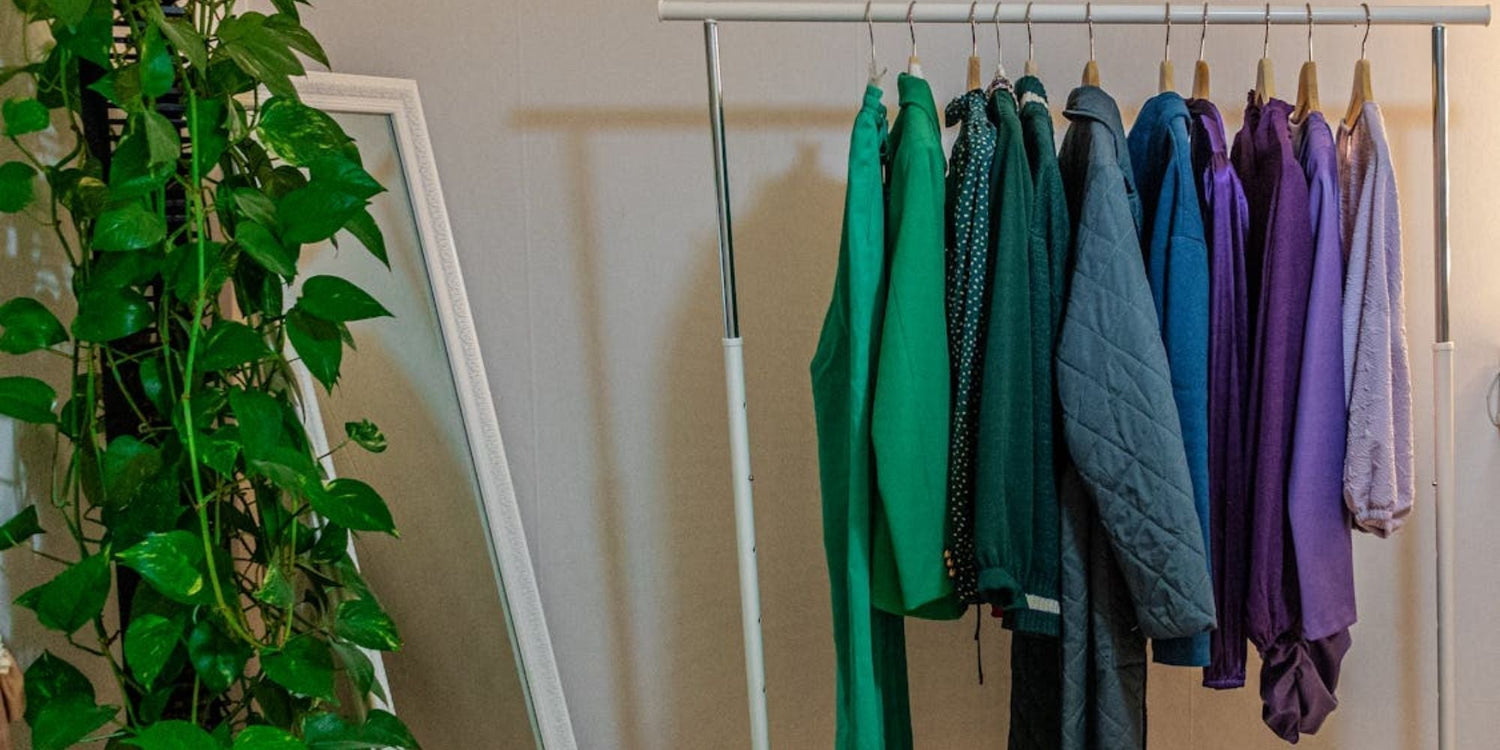
There is a particular kind of guilt that comes with cleaning out a wardrobe. The saree from a cousin's wedding three years ago. The denim jacket was bought on impulse. The kurta that no longer fits but still feels too good to throw away. Most of it ends up in a pile, stored, donated, or eventually discarded.
It's a pattern that plays out in millions of homes across India. And it's part of why upcycled fashion has moved from niche trend to genuine conversation in the sustainable clothing space.
What Is Upcycled Fashion?
Upcycled fashion is the process of transforming old, unused, or discarded clothing and textile waste into new garments or accessories of equal or higher value, without breaking the material down. Instead of disposing of fabric, designers and consumers find creative ways to reimagine what already exists, reducing waste while producing something wearable and intentional.
That's the core of it. No industrial processing. No chemical breakdown. Just a thoughtful redesign.
Upcycling works because fabric, even old fabric, holds value. A worn-out silk saree still carries its weave. A faded denim jacket still holds its structure. Upcycled fashion simply asks: what else could this be?
Upcycling vs Recycling in Fashion
These two terms are often used interchangeably, but they describe very different processes.
|
Feature |
Upcycling |
Recycling |
|
Process |
Redesign or repurpose as-is |
Break down material, reprocess |
|
Material use |
Fabric kept largely intact |
Fabric dissolved or shredded |
|
Waste reduction |
High - minimal waste in process |
Moderate - processing creates a byproduct |
|
Product output |
New garment or accessory |
New fibre or raw material |
|
Energy usage |
Low |
Higher - industrial process required |
Recycling in fashion typically involves breaking a garment down to its fibre level and spinning it into something new. Upcycling skips that entirely; the material goes directly into a new form. This makes upcycling significantly more energy-efficient, though it works best at a smaller, more artisanal scale.

Why Upcycled Fashion Is Growing in India
India is one of the world's largest textile producers and waste textile producers. This industry generates significant fabric waste at every stage: from loom offcuts and dye house rejects to unsold inventory and post-consumer clothing.
At the consumer level, buying habits have shifted. Younger shoppers, particularly in urban India, are increasingly aware of where their clothes come from and where they end up. The rise of sustainable clothing as a category, not just a marketing label, reflects a real change in how people think about fashion purchases.
Several factors are driving this:
- Fast fashion fatigue. Shoppers who once bought frequently are now buying more deliberately.
- Circular economy awareness. Concepts like "reduce, reuse, redesign" have entered mainstream fashion conversations.
- Thrift culture. The thrift store India market has grown substantially, with platforms and physical stores making second-hand shopping accessible and destigmatised, particularly among younger buyers.
- Craft-conscious consumers. India's existing appreciation for handmade and artisan fashion has made the transition to upcycled and consciously made clothing feel natural rather than forced.
Organic cotton brands have also contributed to this shift. Once consumers start thinking about what goes into their clothes, they tend to also think about what happens after.
Examples of Upcycled Fashion Brands in India
Several Indian brands have built their identity around upcycling and circular fashion principles.
- The Bombay Closet Cleanse is one of the more well-known names in India's conscious fashion space - built around the idea that pre-loved clothing deserves a second audience.
- Curated Findings takes a curation-first approach to thrift and upcycled fashion, sourcing pieces with genuine character and presenting them as intentional style choices rather than second-best options.
- Vintage Laundry focuses on vintage and pre-owned clothing, giving older garments new visibility and helping buyers move away from new fast fashion purchases entirely.
- Amalfi works within the sustainable clothing space with an eye for design, their pieces reflect a considered approach to fabric use and garment longevity.
- Lulu Thrift has become a recognisable name in India's growing thrift store community, making second-hand shopping more accessible and normalising circular fashion choices among younger buyers.
Together, these brands represent what conscious fashion in India is beginning to look like, less about grand sustainability claims, more about practical, everyday alternatives to disposable clothing.
Benefits of Upcycled Clothing
- Reduces textile waste at both the production and consumer levels.
- Lower environmental footprint compared to new garment manufacturing.
- Often produces one-of-a-kind pieces with genuine character.
- Supports local artisans and small-scale designers.
- Encourages a slower, more intentional relationship with clothing.
- Aligns with circular fashion and fashion sustainability India goals.
It's worth being honest about the limitations. Upcycled fashion is not a complete solution to the textile industry's broader sustainability challenges. It is, however, a meaningful and practical step, especially when paired with other conscious choices like buying organic cotton clothing, shopping second-hand, or simply buying less.
Final Thoughts
Upcycled fashion in India is not a passing aesthetic. It reflects a more fundamental shift in how a growing number of consumers think about clothes - as objects with a longer life than one season, one occasion, or one owner.
Whether you engage with it through a brand like The Bombay Closet Cleanse, Curated Findings, Vintage Laundry find, or simply by turning a forgotten saree into something you'll actually wear, the principle is the same. Good fabric deserves more than one life.
And in India, where textile craft runs deep, upcycling feels less like a new idea and more like returning to something that was always there.
FAQs
-
What is upcycled clothing?
Upcycled clothing is made from old or unused garments and fabric that have been redesigned into something new, without breaking the material down through industrial processing.
-
Is upcycling the same as recycling?
No. Recycling breaks fabric down to its raw fibre. Upcycling keeps the material largely intact and redesigns it into a new product, using less energy in the process.
-
Why is upcycled fashion becoming popular in India?
Growing awareness of textile waste, the rise of thrift culture, and a shift toward sustainable clothing choices have all contributed to increased interest in upcycled fashion across Indian consumers.
-
Are upcycled clothes expensive?
They can be priced higher than fast fashion because each piece requires individual attention and skilled labour. However, they are often comparable to mid-range sustainable clothing brands.
-
Where can I find upcycled fashion brands in India?
Brands like Doodlage, No Nasties, and BlandBlend are accessible online. Thrift store India platforms and local vintage markets are also good starting points for pre-owned and upcycled pieces.
-
Is upcycled fashion truly sustainable?
It is more sustainable than buying new fast fashion, but no single practice is a complete solution. Upcycling works best as part of a broader approach, buying less, choosing organic clothing, and extending the life of what you already own.


Leave a comment
This site is protected by hCaptcha and the hCaptcha Privacy Policy and Terms of Service apply.