


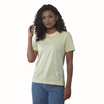
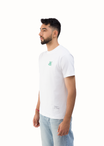
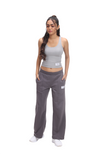
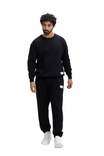
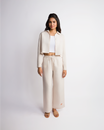

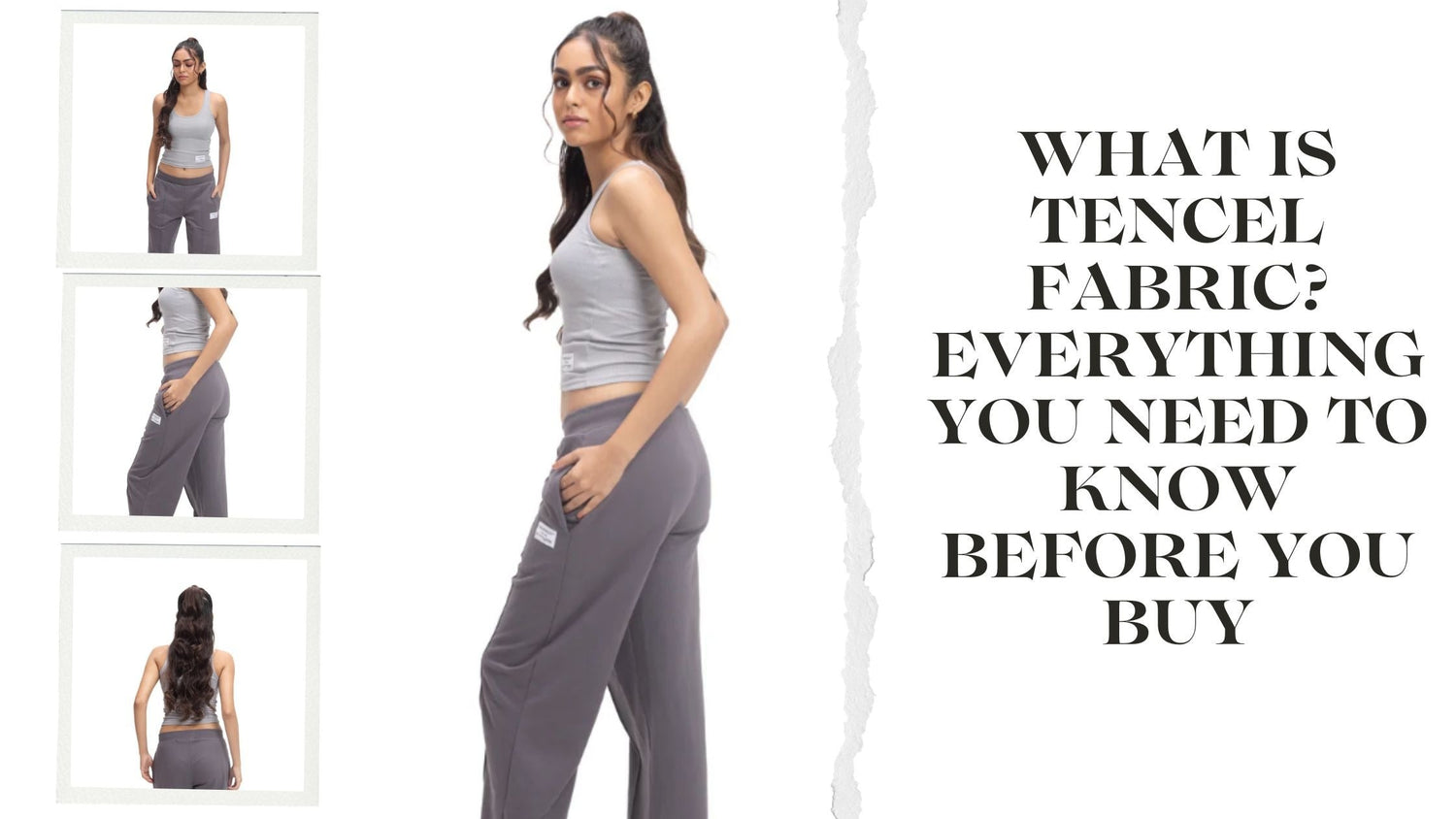
Tencel is a brand name, specifically, a trademarked name owned by the Austrian company Lenzing AG. The fabric itself is a form of lyocell, a semi-synthetic fibre made from wood cellulose, typically sourced from sustainably managed eucalyptus trees.
So when a label says Tencel, it's telling you two things: the fabric type (lyocell) and the manufacturer (Lenzing). Think of it the way you'd think of Xerox or Jacuzzi — a brand name that's become shorthand for an entire category.
*The quick definition: Tencel is a plant-based, biodegradable fabric known for being exceptionally soft, breathable, and moisture-wicking, made through a closed-loop production process that recycles almost all of its solvents.
How Is Tencel Made? (The Production Process, Simply Explained)
Understanding how Tencel is made is actually what sets it apart from other fabrics. Here's the simplified version.
Step 1 - Harvesting: Wood pulp, usually from eucalyptus, beech, or spruce trees, is harvested. Lenzing sources these from FSC-certified forests, meaning the wood comes from responsibly managed land.
Step 2 - Dissolving: The wood pulp is dissolved in a non-toxic solvent called NMMO (N-Methylmorpholine N-oxide). This creates a smooth, liquid cellulose solution.
Step 3 - Spinning: That solution is pushed through tiny nozzles to form fibres. These fibres are then washed, dried, and finished.
Step 4 - Closed-loop recovery: Here's the part that matters for sustainability — over 99% of the solvent used in production is captured and reused in the next cycle. Very little waste escapes into the environment. Compare that to how conventional viscose or rayon is made, where solvents are often discharged into water systems.
The result is a soft, strong fibre that uses less water, fewer chemicals, and produces less waste than most conventional or even "natural" fabric alternatives

Lyocell vs Tencel - What's Actually the Difference?
This is probably the most common point of confusion, and the answer is simple.
Lyocell is a generic fabric type. Tencel is the brand.
All Tencel is lyocell. But not all lyocell is Tencel.
Other manufacturers also make lyocell, but Lenzing's Tencel has become the industry gold standard because of its strict production controls, certified sustainability practices, and consistent quality. When you see "Tencel" on a label, you're getting lyocell made to a specific, verified standard.
What to look for:
- "TENCEL™ Lyocell" - the standard fabric, soft and breathable.
- "TENCEL™ Modal" - a slightly silkier, stretchier version derived from beech wood; excellent for sleepwear.
- Generic "Lyocell" - similar fabric, but production standards can vary depending on the manufacturer.
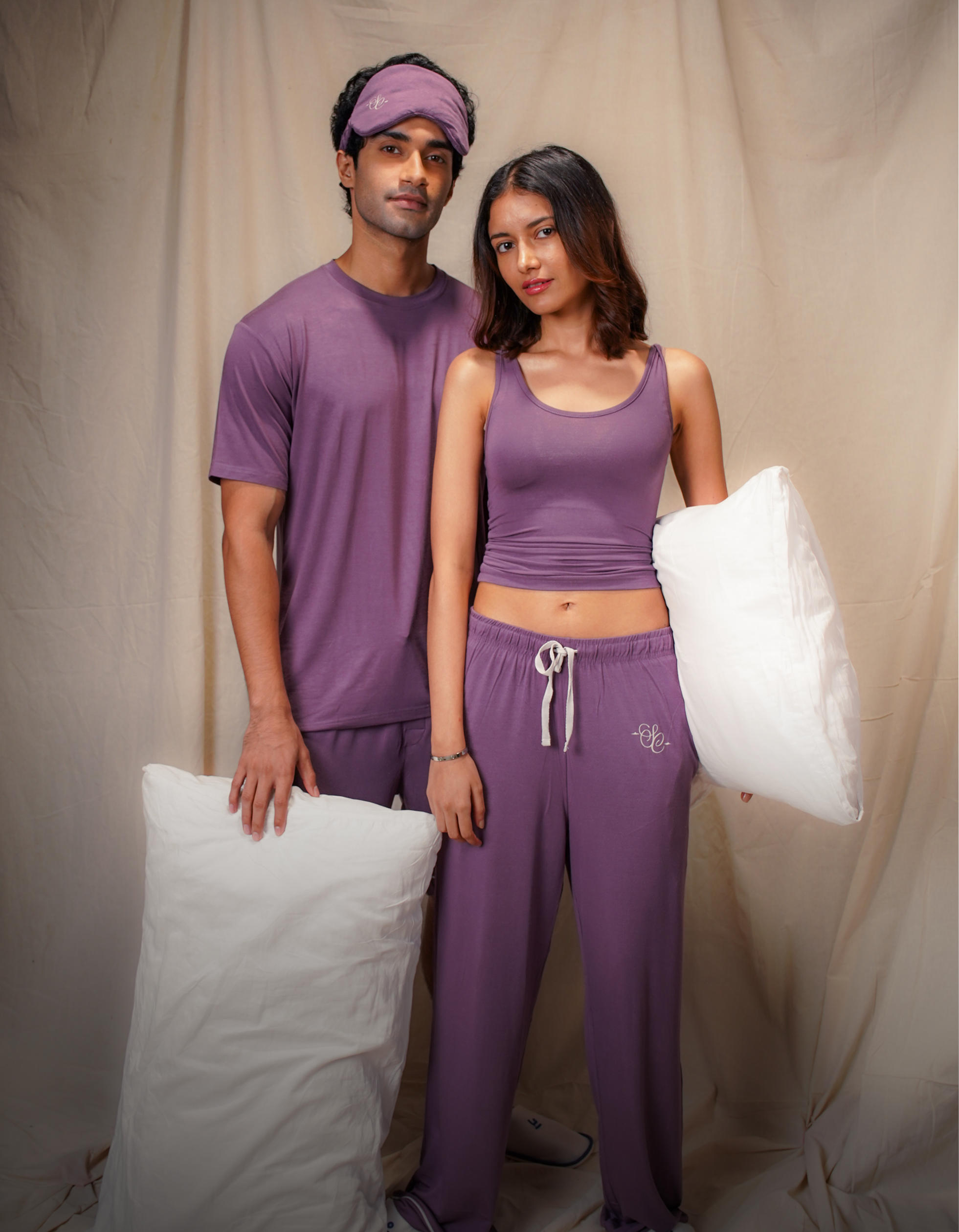
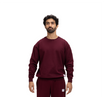
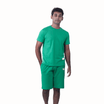
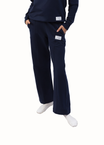
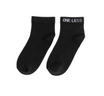
At One Less, our Snooze Club sleepwear is made in TENCEL™ Modal, the silkier variant chosen specifically for the softness and temperature regulation you want next to your skin when you sleep.
How Does Tencel Actually Feel?
Words like "soft" and "luxurious" get overused in fabric descriptions. So here's the honest version.
Tencel has a smooth, almost liquid drape; it moves with you rather than against you. It's lighter than cotton but has more body than chiffon. Against the skin, it feels cool to the touch initially, then adapts to your body temperature.
Three things most people notice first:
- Softness that doesn't fade - unlike cheap fabrics that soften in the wash and then rough up again, Tencel tends to stay consistently smooth with proper care.
- No clinging - Tencel doesn't stick to your skin when you sweat, because it moves moisture away quickly.
- Temperature neutrality - it doesn't make you hot in summer or cold in winter; it just keeps you comfortable.
For sleepwear, especially the OL Snooze Club was designed around this, it matters enormously. You're not fighting the fabric at 3am when you turn over. It follows.
Tencel vs Cotton - An Honest Comparison
Cotton is not the villain here. Organic cotton is still one of the better choices in sustainable clothing, and at One Less, it's a fabric we use and believe in. But Tencel does some things cotton simply can't.
|
Tencel |
Organic Cotton |
|
|
Softness |
Stays consistently silky wash after wash |
Soft, but can roughen over time |
|
Breathability |
Excellent airflow |
Good |
|
Moisture-wicking |
Pulls moisture away quickly |
Absorbs sweat but holds onto it |
|
Temperature regulation |
Actively adapts to body temperature |
Breathes but doesn't actively regulate |
|
Sustainability |
Closed-loop, minimal water, solvent recovery |
Lower-impact than conventional cotton, still water-intensive |
|
Biodegradability |
Fully biodegradable |
Fully biodegradable |
The takeaway: Tencel doesn't replace cotton; it completes a wardrobe that cotton alone can't. For anything close to skin, particularly for sleep or warm-weather wear, Tencel is a genuinely superior choice.
Why Tencel Makes Particular Sense for the Indian Climate
If you live anywhere in India, especially in a city like Delhi, Mumbai, or Chennai, fabric performance in heat and humidity isn't a nice-to-have. It's essential.
Buyers consistently flag the same reasons for switching to Tencel:
- It doesn't trap body heat the way synthetics do.
- It manages sweat without feeling damp or clingy.
- It stays fresh through long, active days.
- It doesn't require the same frequent washing as cotton (moisture is expelled rather than retained).
The modal variant specifically used in the Snooze Club is especially practical for warm Indian nights. You don't need to run the AC on full blast all night if your sleepwear is actually working with your body temperature rather than against it.
Tencel and the Bigger Picture of Sustainable Fabric
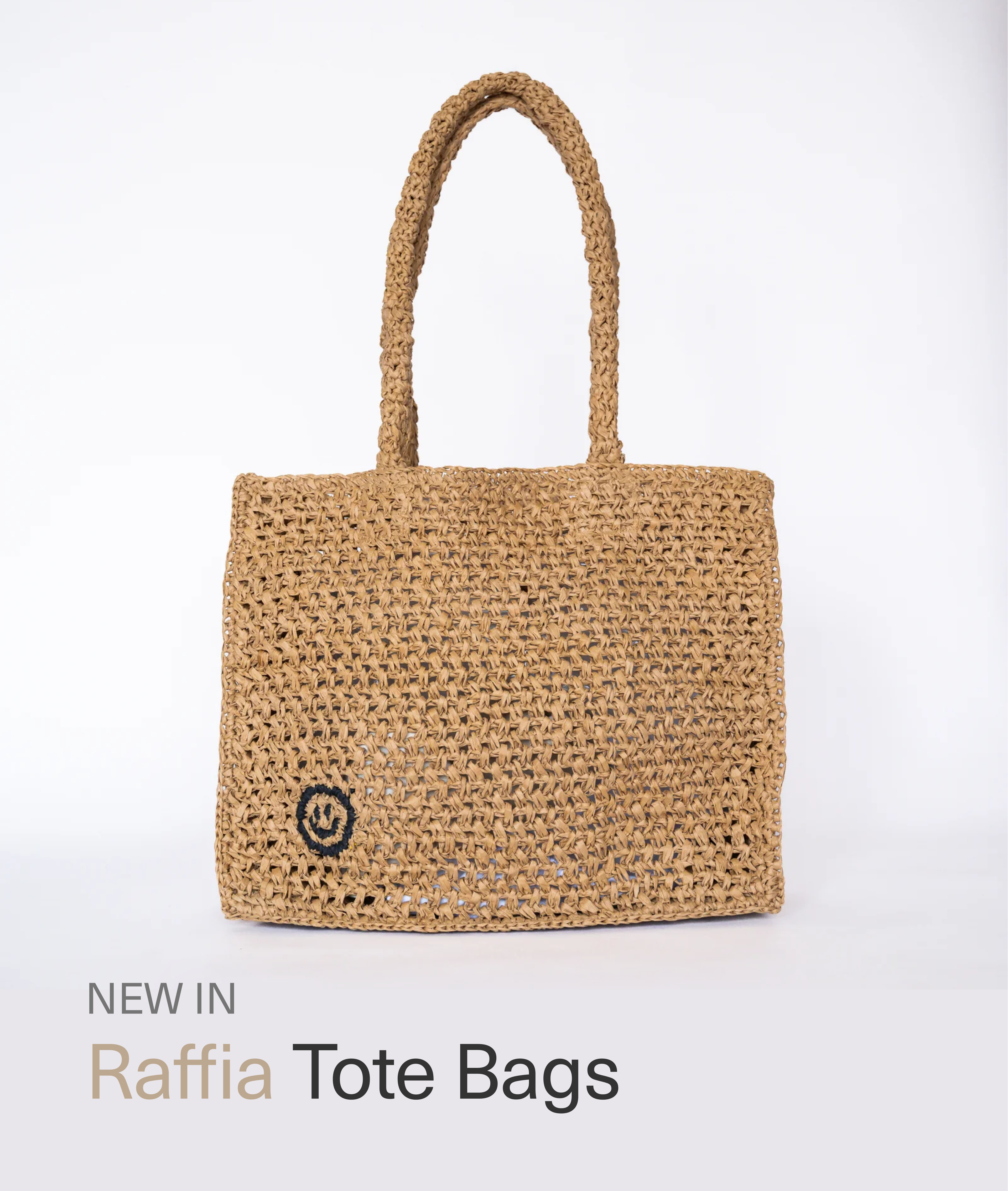
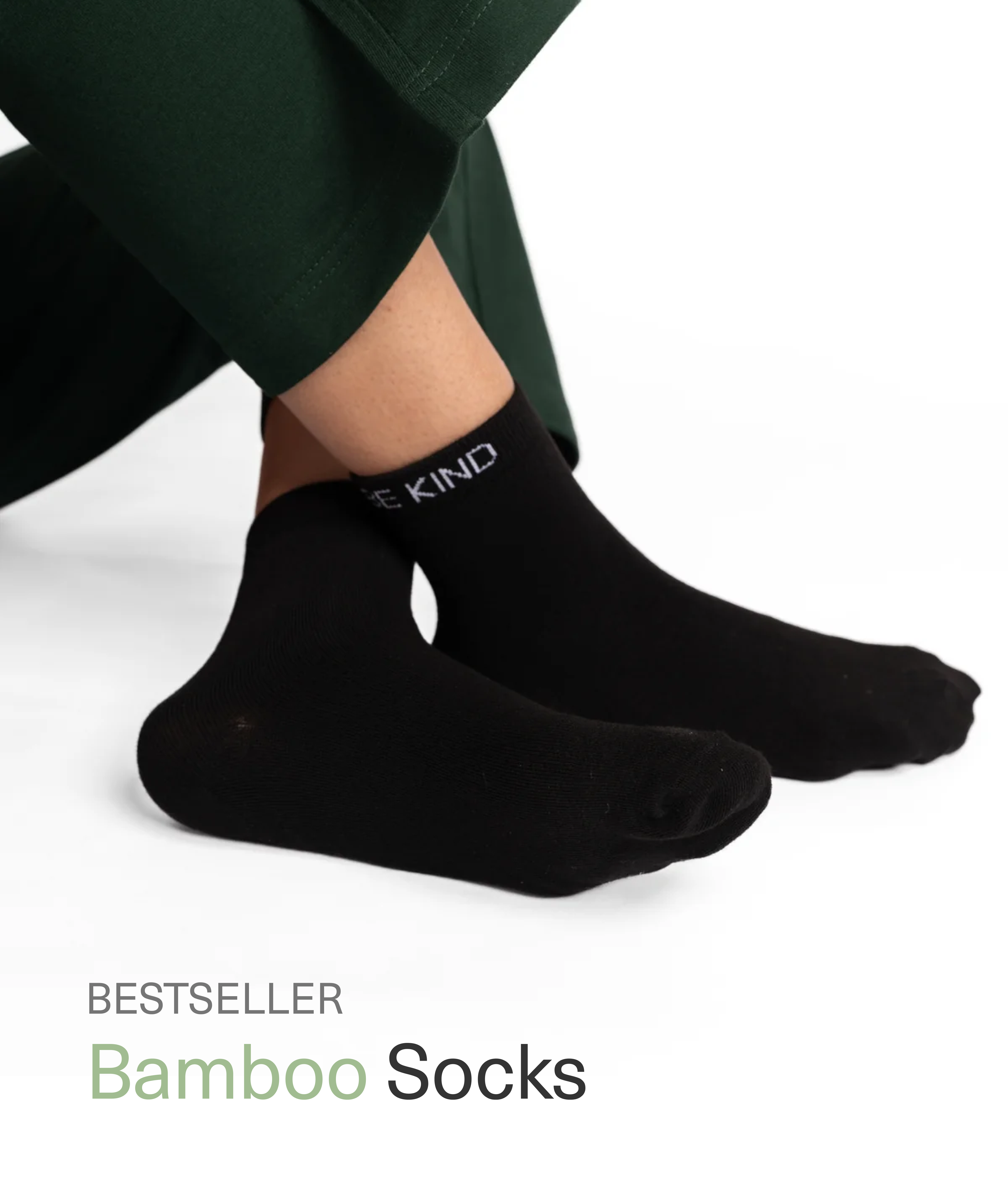
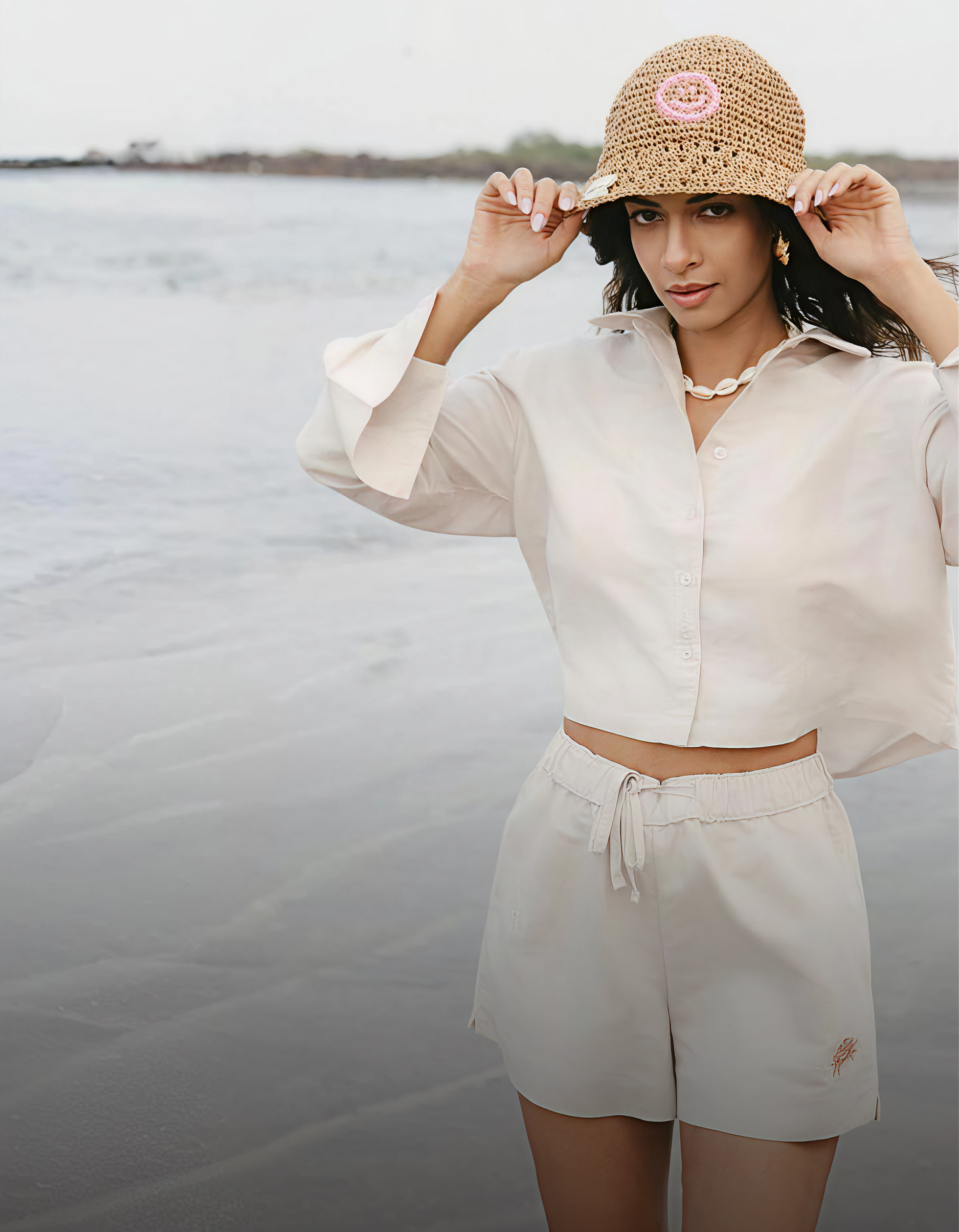
Tencel fits into a wider philosophy about choosing materials that do less damage, the same reason One Less works with organic cotton and natural materials like bamboo, hemp, and raffia.
- Bamboo - fast-growing, requires no pesticides, naturally antibacterial.
- Hemp - one of the most resource-efficient crops on earth, naturally durable.
- Raffia - biodegradable, handwoven, entirely natural.
- Tencel/Lyocell - plant-based, closed-loop production, biodegradable.
None of these fabrics is "perfect." But each is a meaningfully better choice than the synthetic alternatives that dominate most wardrobes. See how Tencel stacks up directly against all of them in our ranked guide to the best sustainable fabrics for Indian weather.
Meet the OL Snooze Club - Tencel Made for Sleep
We built the Snooze Club sleepwear line around TENCEL™ Modal because no other fabric we tested came close on sleep performance.
It's not marketed as sleepwear because it looks good in photos. It's sleepwear because the fabric genuinely performs in the conditions sleep creates, warmth, movement, and moisture, hour after hour of skin contact.
The Snooze Club sets come in matched pieces, shirt, pyjamas, shorts in colours like Midnight Drift, Evening Muse, and Quiet Dawn, priced from ₹3,999.*
Price current as of publishing- please confirm against live product page before this goes out.
Frequently Asked Questions
Is Tencel fabric good for Indian summers?
Yes, Tencel's moisture-wicking and breathable qualities make it especially effective in humid Indian conditions, staying cool and dry against skin far longer than cotton.
Is Tencel the same as Lyocell?
Not exactly. Tencel is a trademarked brand of lyocell made by Lenzing AG under strict, certified production standards. All Tencel is lyocell, but not all lyocell is Tencel.
How do I wash Tencel fabric?
Wash in cold or lukewarm water on a gentle cycle, and air dry or tumble dry on low. Avoid high heat, which can affect the fabric's softness over time.
Is Tencel sustainable?
Yes, it's made through a closed-loop process that recovers over 99% of the solvents used, sourced from FSC-certified forests, and is fully biodegradable.
Can Tencel be used for sleepwear?
Yes, especially the TENCEL™ Modal variant, which is soft, temperature-regulating, and doesn't cling, ideal for overnight wear, which is why it's the fabric behind our Snooze Club line.
Tencel vs cotton - which should I choose?
Neither replaces the other. Choose organic cotton for everyday durability and value; choose Tencel when moisture-wicking and temperature regulation matter most, like sleepwear or humid climates.


Leave a comment
This site is protected by hCaptcha and the hCaptcha Privacy Policy and Terms of Service apply.