

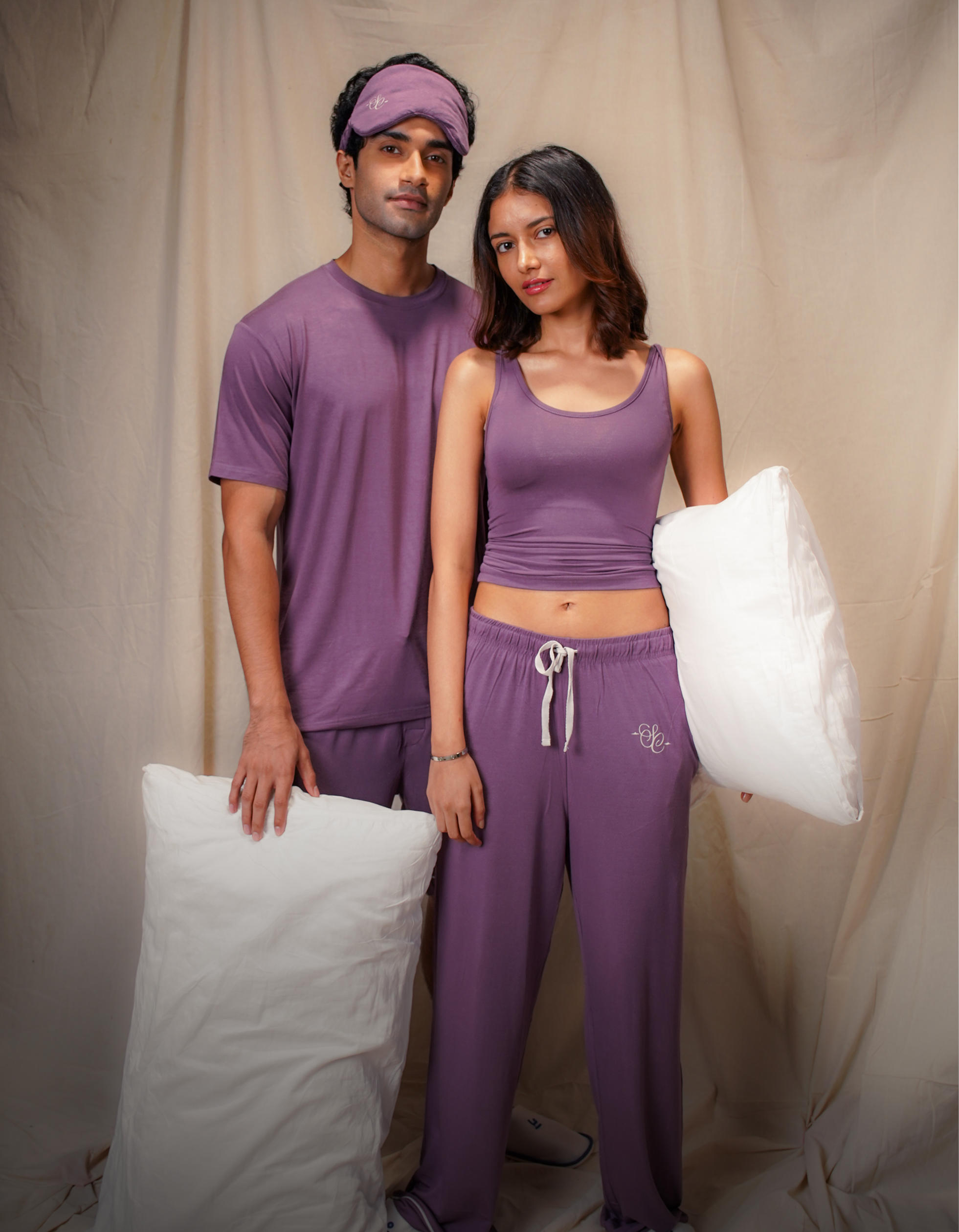
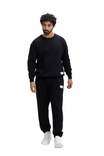
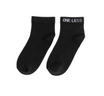

Bamboo has become one of the most marketed words in sustainable fashion. It is on everything, tops, bedsheets, and especially socks. But is bamboo clothing actually as sustainable as brands claim, or is it another case of greenwashing dressed in soft fabric?
The answer is more nuanced than a yes or no. Here is what you actually need to know.
What Makes Bamboo a Good Choice
Bamboo, as a plant, is genuinely impressive from an environmental standpoint. It is the fastest-growing plant on earth, requires no pesticides, needs minimal water, and regenerates from its own roots without replanting. It also sequesters carbon at a higher rate than most trees.
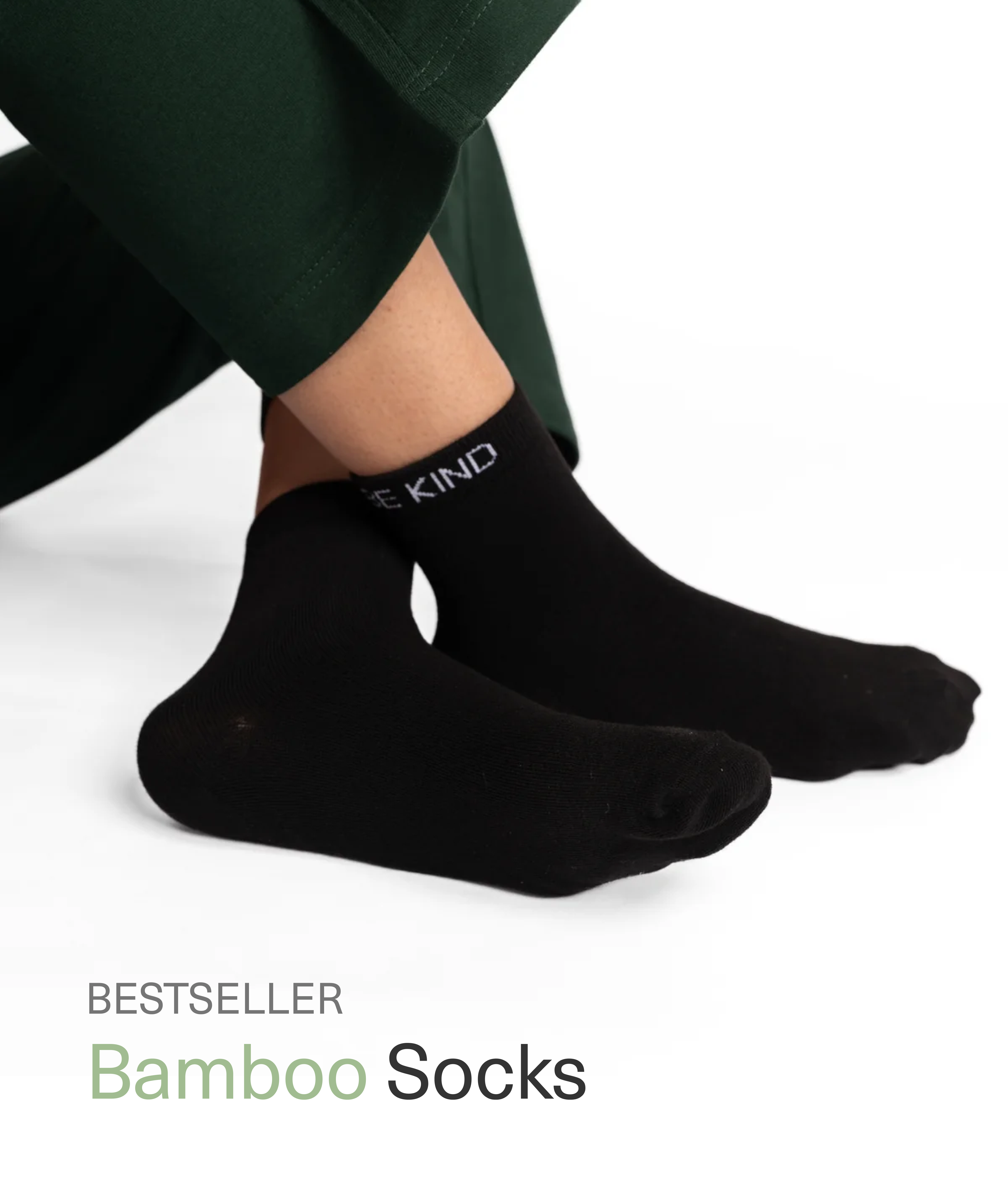
From a fabric perspective, bamboo delivers real benefits. It is naturally moisture-wicking, temperature-regulating, and softer than most conventional cotton. Bamboo socks, in particular, have built a loyal following for good reason; they manage sweat, resist odour, and feel noticeably better against the skin compared to synthetic alternatives.
Bamboo socks for men and bamboo socks for women both perform well in this area. The fabric's natural antibacterial properties mean you get more wear between washes, which itself reduces water and energy consumption over time.
Where the Sustainability Claim Gets Complicated
Here is where it gets complicated. Bamboo, the plant is sustainable. Bamboo, the fabric, sometimes is not.
Most bamboo fabric goes through a viscose or rayon manufacturing process, which involves chemical solvents to break down the bamboo pulp into fibres. If those chemicals are not properly managed in a closed-loop system, they can be harmful to workers and the surrounding environment.
The sustainable version of bamboo fabric is bamboo lyocell, which uses a closed-loop process where solvents are recaptured and reused. This is genuinely clean. Bamboo viscose, when produced responsibly with chemical recovery, is acceptable. Bamboo viscose with no such controls is where the sustainability claim starts to fall apart.
How to Tell the Difference

Look for certifications OEKO-TEX, FSC, and GOTS are reliable markers that the production process has been audited. If a brand is making sustainability claims with no certifications to back them up, ask questions.
Also, look at how the brand talks about the process. Honest sustainable clothing brands will mention their manufacturing standards. Vague claims like "eco-friendly bamboo" with no supporting detail are a flag worth noting.
So, Is It Worth Buying?
Yes, when sourced and processed responsibly, bamboo clothing is one of the better sustainable fabric choices available. Bamboo socks, especially are a straightforward swap from conventional cotton or synthetic socks.
The performance benefits are real, the feel is noticeably better, and when made correctly, the environmental impact is significantly lower.
Buy from brands that are transparent about their process. That is the whole game with sustainable fashion.
How Bamboo Fabric Is Actually Made
Most people assume bamboo fabric is simply bamboo crushed into fibre, it is not. The plant goes through a chemical process to break down the pulp into spinnable fibre.
The cleaner version of this is bamboo lyocell, where solvents are captured and reused in a closed loop. The more common version is bamboo viscose, which varies widely in how responsibly it is processed. The fabric you wear is only as clean as the factory that made it.
Why Bamboo Socks Became So Popular First
Socks were the first bamboo product that genuinely converted sceptics. The reason is simple: Foot sweat is a real problem, and bamboo's moisture-wicking and antibacterial properties solve it better than cotton or synthetics.
Bamboo socks for men dealing with long work days and bamboo socks for women managing active schedules both found the same thing: Fewer odour issues, softer feel, and longer wear between washes. Socks were where bamboo proved itself before the rest of the clothing category caught up.
FAQ
Q. Are bamboo socks better than cotton socks?
For most people, yes and noticeably so. Bamboo socks are softer against the skin, significantly better at wicking moisture away from the foot, and naturally resistant to odour-causing bacteria. Cotton absorbs sweat and holds it, which is what causes that damp, uncomfortable feeling after a long day.
Q. Are bamboo socks for men and women different?
The fabric and its properties are identical; the difference is only in sizing, cut, and sometimes thickness, depending on the intended use. Bamboo socks for men tend to come in slightly thicker variants for work boots and heavy use, while bamboo socks for women lean toward finer knits.
Q. How many times can I wear bamboo socks before washing?
In most everyday conditions, comfortably two wears before washing, sometimes more if you are not doing heavy physical activity. The natural antibacterial properties of bamboo fibre slow down the bacterial growth that causes odour, which is what makes that extra wear possible.
Q. What certifications should I look for in bamboo clothing?
OEKO-TEX, FSC, and GOTS are the three most reliable ones. OEKO-TEX confirms the finished product is free from harmful substances. FSC covers the responsible sourcing of the raw material. GOTS covers the entire production chain from fibre to finished garment.


Leave a comment
This site is protected by hCaptcha and the hCaptcha Privacy Policy and Terms of Service apply.