





Most people think sustainable clothing means spending more. A lot more. And that stops them before they even start.
But building a wardrobe that is better for the environment does not have to mean replacing everything at once or spending money you do not have. It means making smarter choices, slowly, intentionally, without the guilt that fast fashion has normalised.
This guide is for anyone who wants to start, not for people who already have it figured out.
Step 1: Start With What You Already Have
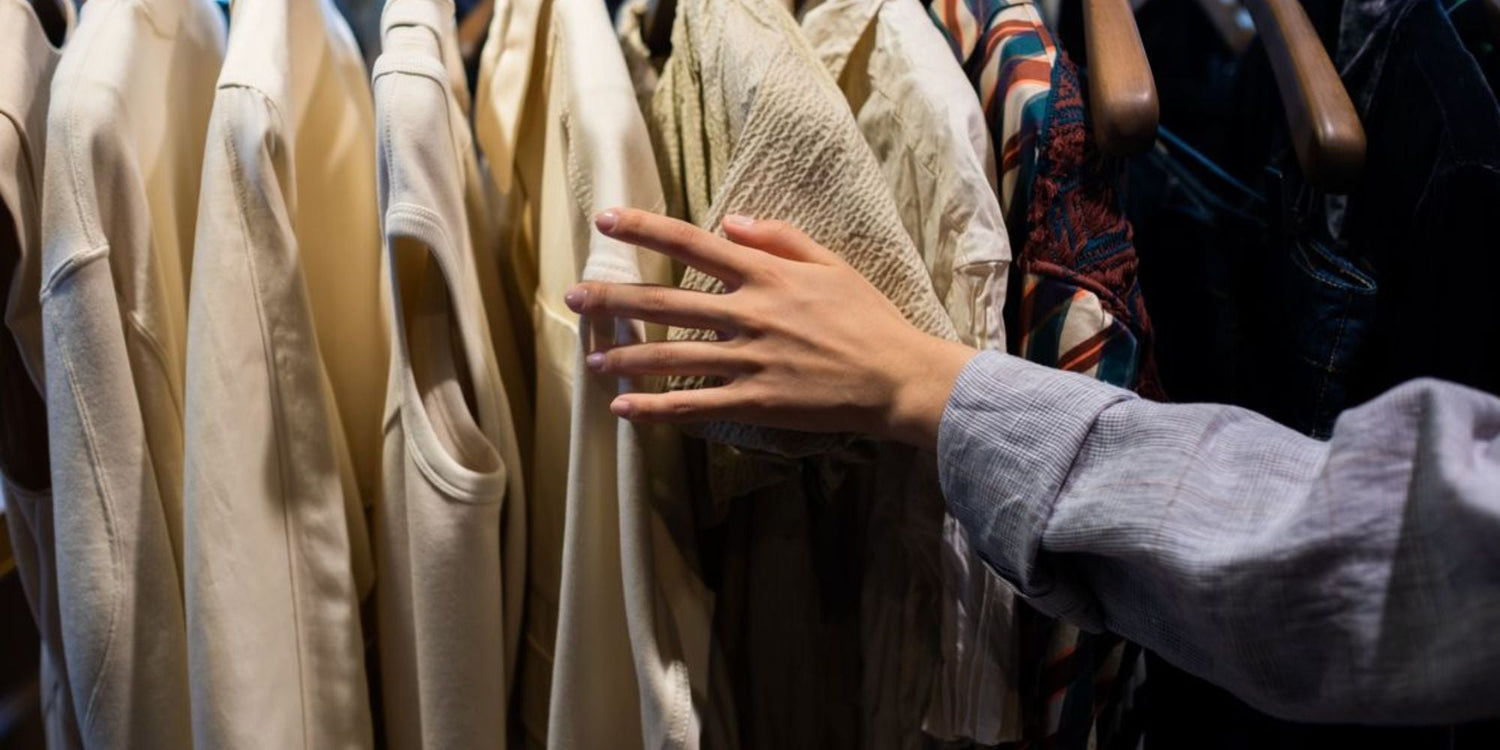
Before you buy anything, look at what is already in your wardrobe.
Most people wear 20% of their clothes 80% of the time. The rest sits there, bought on impulse, worn once, forgotten. The most sustainable thing you can do right now is use what you already own. Wear it more. Wash it less often. Take care of it properly.
A garment that lasts five years instead of one has already done more for the environment than any organic label ever could.
So before anything else, take stock. Donate what you genuinely will not wear. Repair what is damaged. Only then think about what is actually missing.
Step 2: Buy Less, Buy Better
Fast fashion has trained us to think of clothing as disposable. A ₹499 t-shirt feels like a small decision. But if you buy ten of them a year and throw them out after a few washes, you have spent ₹4,990 on clothing that is now in a landfill.
One well-made organic cotton t-shirt at ₹1,500 that you wear twice a week for two years costs you less per wea, and does not end up as waste.
This is the core logic of a sustainable wardrobe: buy fewer things, but make sure the things you buy last.
Step 3: Know Your Fabrics
Not all sustainable fabrics are equal. Here is what to look for when you are building a conscious wardrobe:
Organic Cotton is grown without synthetic pesticides or fertilisers. Softer on skin, breathable, and lasts longer than conventionally processed cotton. Best for everyday basics, t-shirts, hoodies, and loungewear.
Hemp is one of the most sustainable crops in the world. Uses very little water, no pesticides, and actually improves soil health. Hemp fabric is durable and gets softer with every wash.
Tencel (Lyocell) is made from sustainably sourced wood pulp in a closed-loop process that recycles water and solvents. Incredibly soft, breathable, and biodegradable. Great for sleepwear and warm-weather clothing.
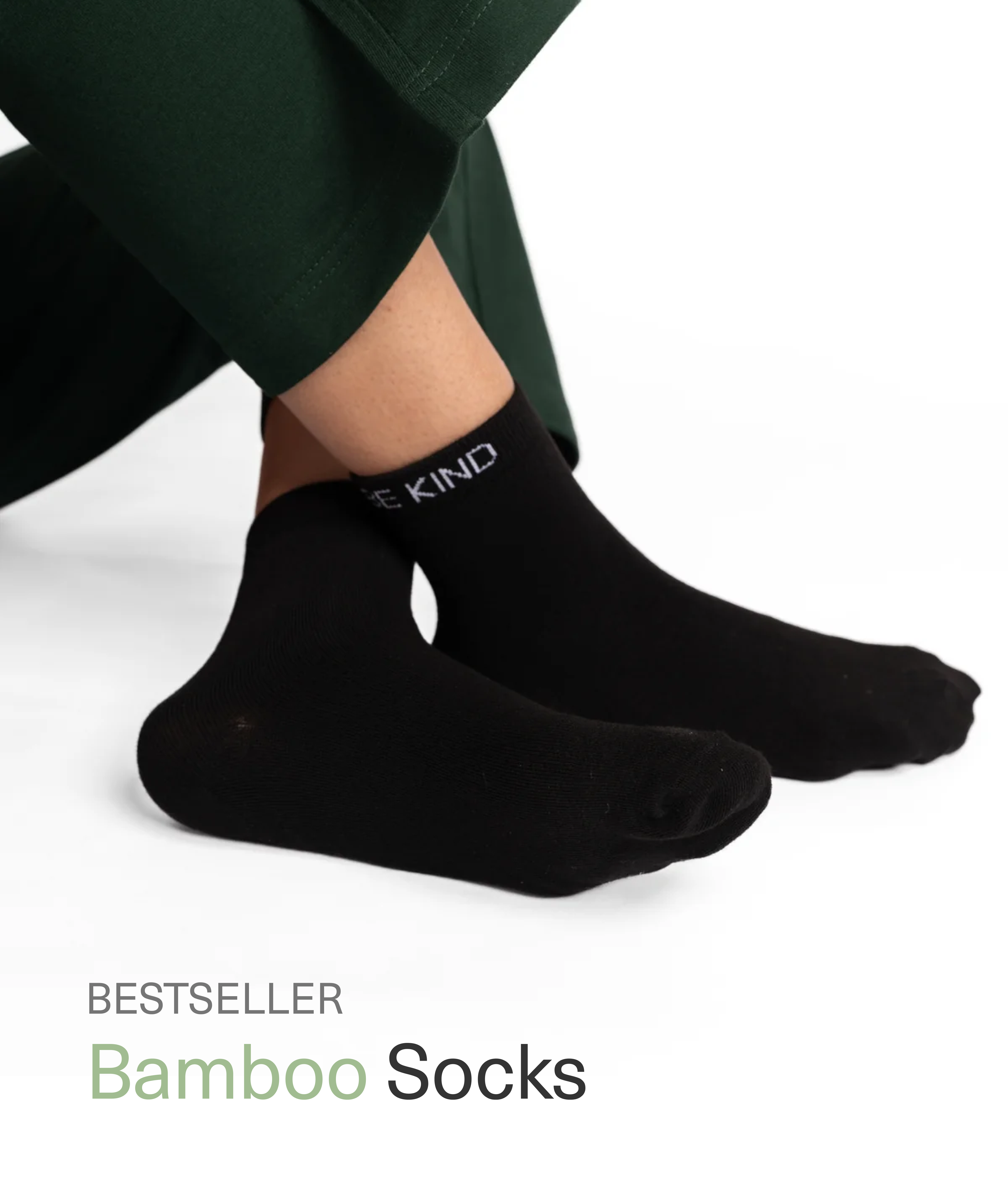
Bamboo is fast-growing and low-impact on the farm. Bamboo fabric is naturally antibacterial and moisture-wicking, good for activewear and innerwear.
What to avoid: Virgin polyester, nylon, and acrylic. These are essentially plastic; they shed microplastics with every wash and do not biodegrade.
Step 4: Check for Certifications
Brands use the words "sustainable," "eco-friendly," and "natural" freely, because no one stops them. The only way to know if a claim is real is to look for third-party certification.

GOTS (Global Organic Textile Standard) - Covers the entire supply chain from farming to finished garment. The gold standard for organic clothing.
OEKO-TEX Standard 100 - Certifies that the fabric has been tested for harmful substances. Not the same as organic, but still meaningful.
Fair Trade - Focuses on labour conditions and fair wages, not just materials.
Step 5: Where to Shop for Sustainable Clothing in India
Finding certified sustainable clothing in India has become easier over the last few years. A few brands worth knowing:
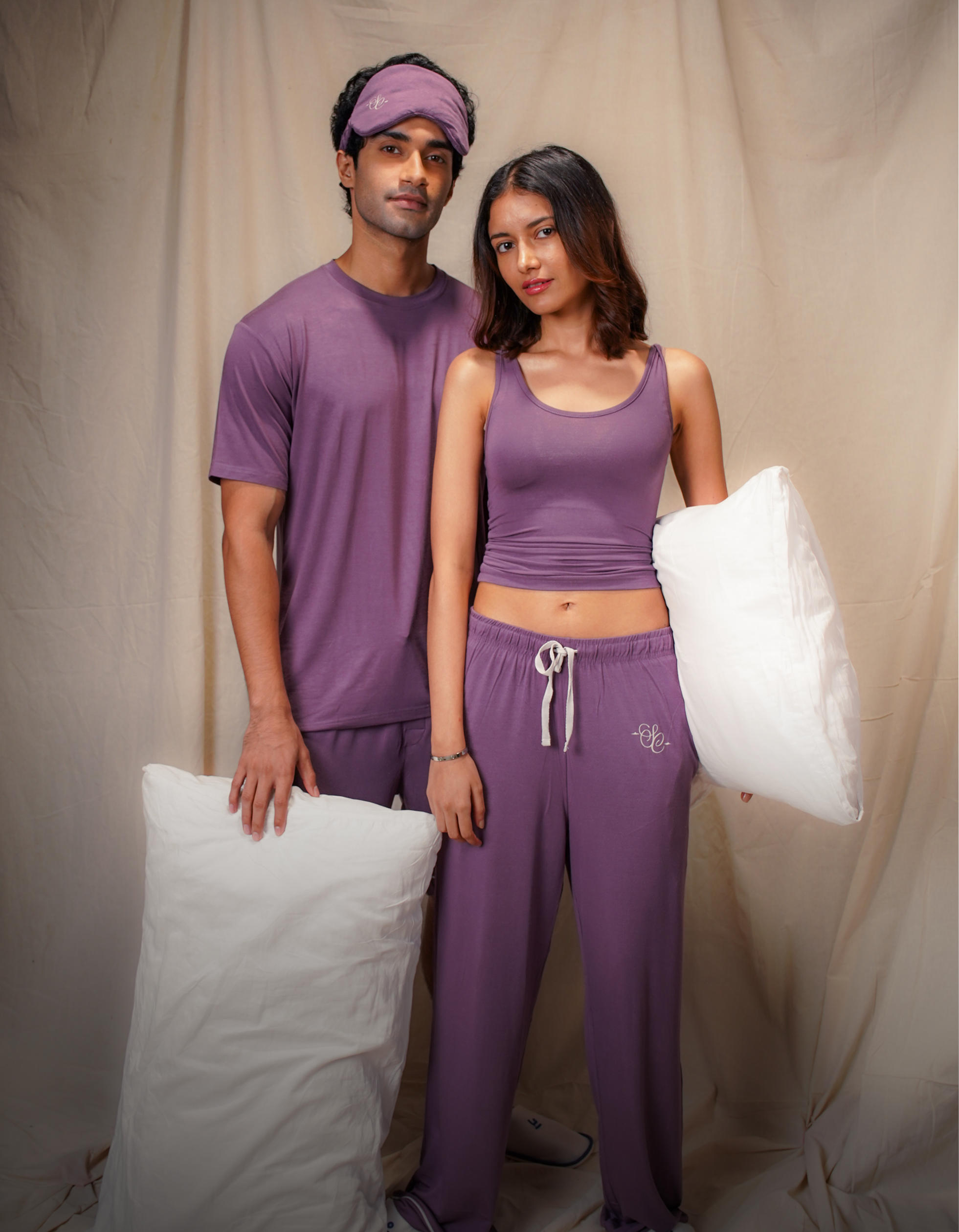
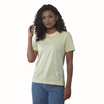
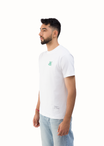
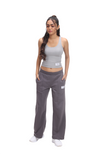
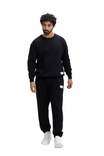
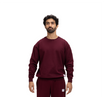
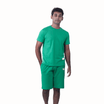
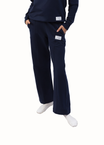
One Less Official is one of the more credible options in the Indian market. They work with certified organic cotton, hemp-bamboo blends, and Tencel, and their certifications are verifiable, not just decorative. Their range covers everyday basics: t-shirts, hoodies, shorts, and the Snooze Club sleepwear line. For anyone building a wardrobe around conscious choices, they are a practical starting point.
Step 6: Take Care of What You Own
The single most underrated part of sustainable fashion is garment care. How you wash and dry your clothes directly affects how long they last.
- Wash in cold water - Hot water breaks down fibres faster and uses more energy.
- Wash less often - Most clothes do not need washing after every wear.
- Line dry when possible - Tumble drying degrades fabric over time.
- Store properly - Fold knits, hang wovens, keep out of direct sunlight.
A well-cared-for organic cotton hoodie or Tencel kurta will outlast a poorly cared-for "premium" piece every time.
Step 7: Resist the Urge to Buy "Sustainably" All at Once
This is the trap most people fall into. They discover sustainable fashion, feel guilty about everything they own, and go on a shopping spree to replace it all, with organic cotton versions.
That is not sustainability. That is just a different kind of consumption.
The goal is to reduce overall consumption, not to replace your wardrobe overnight. When something wears out, replace it with a better choice. When you genuinely need something new, research it properly and buy once.
Slow is the point.
The Verdict
Building a sustainable wardrobe on a budget is not about finding cheap organic alternatives. It is about changing how you think about buying clothes altogether, fewer purchases, better quality, and longer use.
Start with what you have. Learn your fabrics. Check certifications. And when you do buy, buy from brands that can actually back up their claims.
In India, that shortlist is small, but it is growing. One Less Official is on it.
FAQs
1. Is sustainable clothing always expensive?
Not if you think in cost-per-wear. A well-made organic cotton piece at ₹1,500 that lasts two years costs less per wear than a ₹499 fast fashion piece you replace every few months.
2. What is the most sustainable fabric?
Hemp and Tencel are among the lowest-impact options. Organic cotton is a strong everyday choice. The most sustainable fabric is ultimately the one already in your wardrobe.
3. How do I know if a brand is genuinely sustainable?
Look for GOTS or OEKO-TEX certification. Transparent supply chain information. And avoid brands running constant deep discounts, sustainable production has real costs.
4. Can I build a sustainable wardrobe without buying new clothes?
Yes, and that is actually the best place to start. Secondhand swaps, and simply wearing what you own longer, are all more sustainable than buying new organic clothing.
5. Where can I buy sustainable clothing in India?
One Less Official is a solid starting point, certified organic cotton, hemp-bamboo blends, and Tencel sleepwear, all with verifiable credentials.



Leave a comment
This site is protected by hCaptcha and the hCaptcha Privacy Policy and Terms of Service apply.