




As more people shift toward sustainable fashion, organic cotton clothing has become a preferred choice for those who value comfort, health, and environmental responsibility. However, shopping for organic cotton apparel online can be tricky. With so many brands using terms like “eco-friendly” and “natural,” it’s easy to get misled.
To make the right choice, you need to go beyond marketing claims and understand what truly defines high-quality organic cotton clothing. This guide breaks down everything you should carefully evaluate before making a purchase.
Look for Trusted Organic Certifications (Not Just Claims)
One of the biggest mistakes shoppers make is trusting labels without verification. Just because a product says “organic” doesn’t mean it meets global standards.
The most reliable certifications include:
- GOTS (Global Organic Textile Standard): Covers the entire supply chain, ensuring both environmental and ethical compliance.
- OEKO-TEX Standard 100: Ensures the fabric is free from harmful chemicals.
- USDA Organic: Applies mainly to raw cotton production.
Among these, GOTS-certified organic cotton clothing is the most trustworthy because it guarantees that everything, from farming to dyeing, Is regulated.
If a brand doesn’t clearly mention certifications, it’s worth questioning the product's authenticity.
Carefully Check Fabric Composition and Purity
Many online listings highlight “organic cotton” but fail to mention that the fabric is actually blended.
You should always:
- Read the material composition section.
- Look specifically for 100% organic cotton clothing.
- Be cautious of blends like polyester, rayon, or elastane unless you intentionally want stretch.
Pure organic cotton is known for being:
- Highly breathable.
- Gentle on sensitive skin.
- Biodegradable and environmentally friendly.
Before making a purchase, check whether the brand openly shares details about:
- Cotton sourcing: Do they mention where the cotton is grown or if it’s farm-traceable? Genuine brands often work directly with certified organic farms.
-
Manufacturing processes: Is there clarity on how the fabric is processed, dyed, and stitched? Ethical brands usually avoid harmful chemicals and follow responsible production methods.
- Labour practices: Do they talk about worker conditions, fair wages, or factory certifications? Transparency here reflects accountability.
Brands that prioritize ethical organic cotton clothing typically go a step further and highlight:
- Safe and healthy working environments for employees.
- Use of low-impact, non-toxic, or natural dyes.
- Water-saving techniques and reduced waste production.
- Efforts to minimize carbon footprint.
On the other hand, if a brand uses vague terms like “eco-friendly” or “sustainable” without explaining how, it could be a case of greenwashing. A lack of clear information often signals that sustainability is more of a marketing angle than a real practice.
In short, the more a brand shares, the more confident you can feel about your purchase.

Evaluate Fabric Quality Through Product Details
Since you can’t physically touch the fabric while shopping online, you need to rely on detailed product descriptions.
Look for indicators of premium quality such as:
- “Combed organic cotton” (smoother and stronger fibers).
- “Long-staple cotton” (more durable and less prone to pilling).
- “Pre-shrunk fabric” (reduces shrinkage after washing).
Also, zoom into product images to check:
- Stitching quality.
- Fabric texture.
- Fit and finish.
High-quality organic cotton apparel should feel soft, structured, and long-lasting even after multiple washes.
Use Customer Reviews as a Reality Check
No matter how polished a product description looks, customer reviews are where you’ll find the most honest insights. They act as a reality check, helping you understand how the organic cotton clothing actually performs in everyday use, not just how it’s marketed.
When browsing organic cotton clothing online in India, take time to go through multiple reviews instead of relying on just the top-rated ones. Real buyers often share details that brands may overlook or intentionally avoid mentioning.
Customer feedback can help you evaluate key factors such as:
- Fit and sizing accuracy: Does the product match the size chart, or does it run small/large? This is especially important since sizing can vary across brands.
- Fabric feel over time: While organic cotton is known for softness, reviews can tell you whether the fabric stays soft after multiple washes or becomes rough.
- Shrinkage and shape retention: Some garments may shrink if not pre-treated, and reviews often highlight this issue clearly.
- Color durability: Check whether the color fades, bleeds, or remains consistent after washing.
Understand Pricing and Avoid Unrealistic Discounts
Organic cotton clothing is generally priced higher than regular cotton due to:
- Chemical-free farming
- Ethical labor costs
- Sustainable processing methods
If you find products labeled “organic” at extremely low prices, they may not be authentic.
Instead of chasing cheap deals, look for:
- Value-for-money collections.
- Seasonal offers from trusted brands.
- Bundles on wardrobe essentials.
Investing in sustainable cotton clothing often pays off in terms of durability and long-term use.
Check for Eco-Friendly Packaging and Shipping Practices
A truly sustainable brand goes beyond just the fabric and pays attention to how its products are packaged and delivered. When buying organic cotton clothing online, check whether the brand uses recyclable or biodegradable packaging, avoids plastic in shipping materials, and keeps packaging minimal. These small details reflect a deeper commitment to reducing environmental impact and show that the brand’s sustainability efforts are consistent across the entire customer experience.
Review Return, Exchange, and Size Policies
Since buying clothing online always involves some uncertainty, it’s important to review the brand’s return and exchange policies before making a purchase. A reliable organic cotton clothing brand will offer easy size exchanges, clear return guidelines, and transparent refund timelines. This not only reduces risk but also makes it easier to try new brands with confidence, especially when you’re unsure about fit or fabric.
Start with Everyday Organic Cotton Essentials
If you’re new to sustainable fashion, don’t overhaul your wardrobe all at once.
Start with:
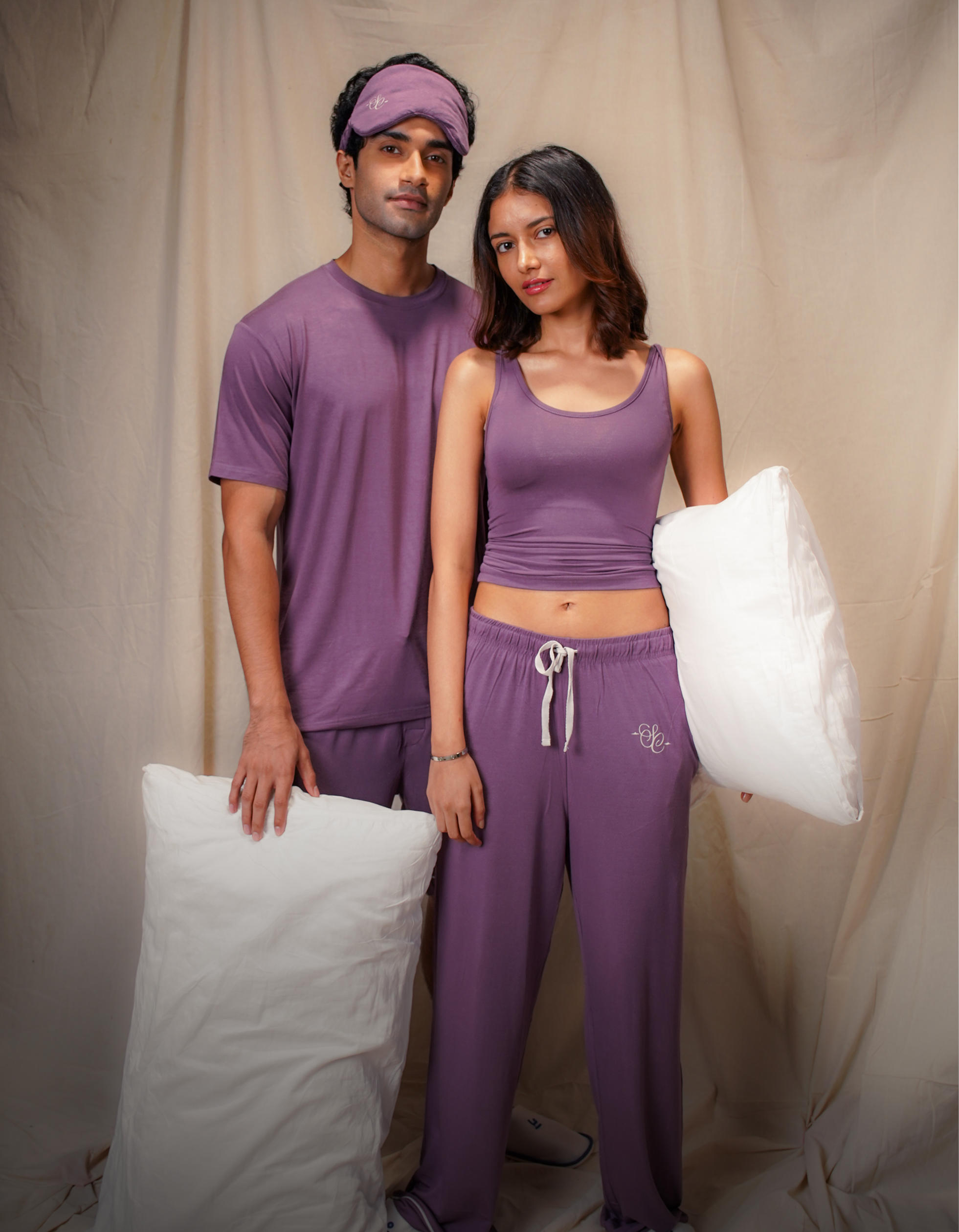
- Organic cotton t-shirts.
- Tank tops.
- Loungewear.
These items are:
- Used frequently.
- Easy to evaluate for comfort and durability.
- Ideal for testing a brand’s quality.
Collections focused on organic cotton basics are a great entry point.
Watch Out for Greenwashing Tactics
Greenwashing is when brands exaggerate or falsely claim sustainability.
Be cautious if a brand:
- Uses vague terms like “natural” or “eco-friendly” without proof.
- Doesn’t provide certifications.
- Avoids sharing supply chain details.
To verify authenticity, search for independent mentions or reviews of the brand online.
FAQs - Buying Organic Clothing
1. How can I verify if clothing is genuinely organic cotton?
To verify authenticity, always look for certifications like GOTS or OEKO-TEX on the product page. In addition, check if the brand provides transparency about sourcing and manufacturing. Reading product descriptions carefully and researching the brand externally can also help confirm whether the clothing is truly organic or just marketed that way.
2. Is organic cotton significantly better than regular cotton?
Yes, organic cotton is grown without harmful pesticides and synthetic fertilizers, making it safer for both your skin and the environment. It is also softer and more breathable compared to conventional cotton, which often undergoes chemical processing. Over time, organic cotton garments tend to feel more comfortable and maintain their quality better.
3. Does organic cotton shrink after washing?
Organic cotton can shrink slightly, especially if it hasn’t been pre-shrunk during manufacturing. To minimize shrinkage, it’s best to wash garments in cold water and avoid high-heat drying. Many high-quality brands mention “pre-shrunk organic cotton,” which significantly reduces this issue.
4. Why is organic cotton clothing more expensive than regular clothing?
The higher cost comes from sustainable farming practices, ethical labor wages, and eco-friendly processing methods. Unlike mass-produced conventional cotton, organic cotton requires more time, effort, and compliance with strict standards, which increases overall production costs.
5. What are the best types of organic cotton clothing to start with?
If you’re new to organic fashion, start with basics like t-shirts, tank tops, and loungewear. These items are used daily and allow you to easily evaluate comfort, fit, and durability. Once you’re confident in a brand’s quality, you can expand to other categories.


Leave a comment
This site is protected by hCaptcha and the hCaptcha Privacy Policy and Terms of Service apply.