


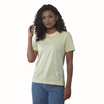
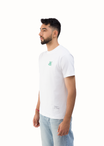
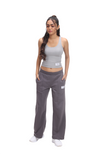
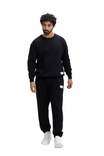
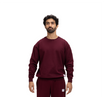
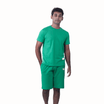
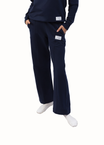

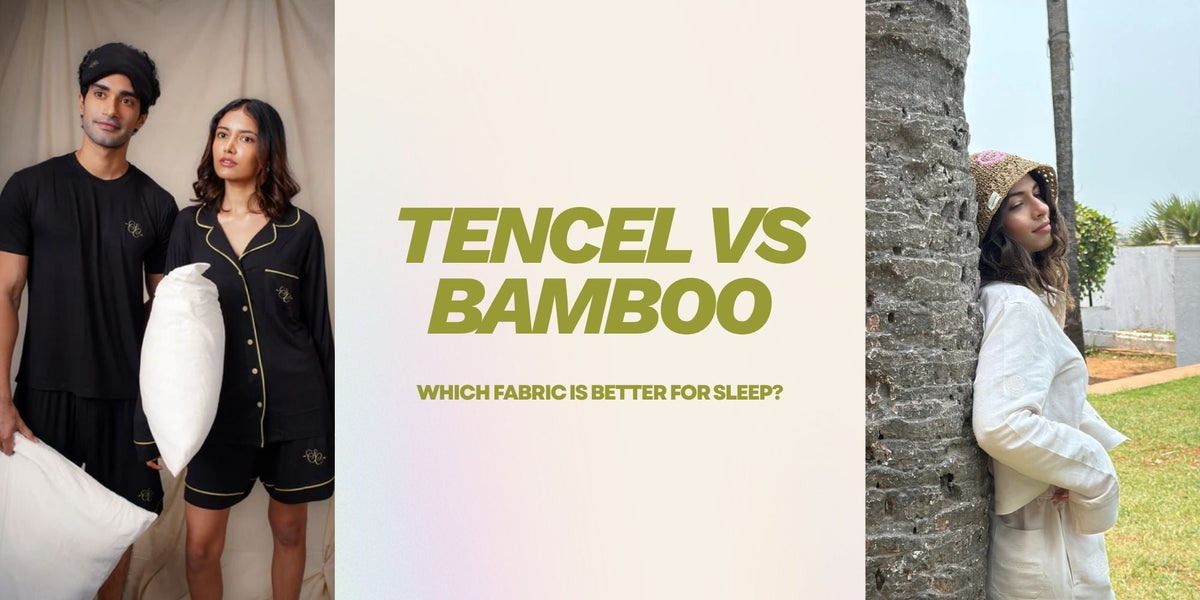
You've probably seen both names on sustainable clothing brands and wondered what the actual difference is, especially when it comes to sleep. Both Tencel and bamboo feel soft. Both sound eco-friendly. Both are a significant step up from synthetic fabrics. But when the question is which one helps you sleep better on a warm Indian night, the answer gets more interesting.
What makes a fabric good for sleep
Before comparing the two, it helps to understand what sleep actually asks of your clothing. When you sleep, your body temperature naturally shifts, rising slightly in the early hours, then cooling as you move into deeper sleep. If your sleepwear traps that heat or holds onto moisture, it disrupts that cycle.
You wake up. You toss. You reach for a glass of water at 3 a.m.
The fabric against your skin needs to do three things well:
- Let the air move.
- Pull moisture away from the body.
- Dry quickly enough that you don't stay damp.
In India, where pre-monsoon nights can sit above 30°C and humidity does the rest, this matters more than almost anywhere else.
How Tencel works at night
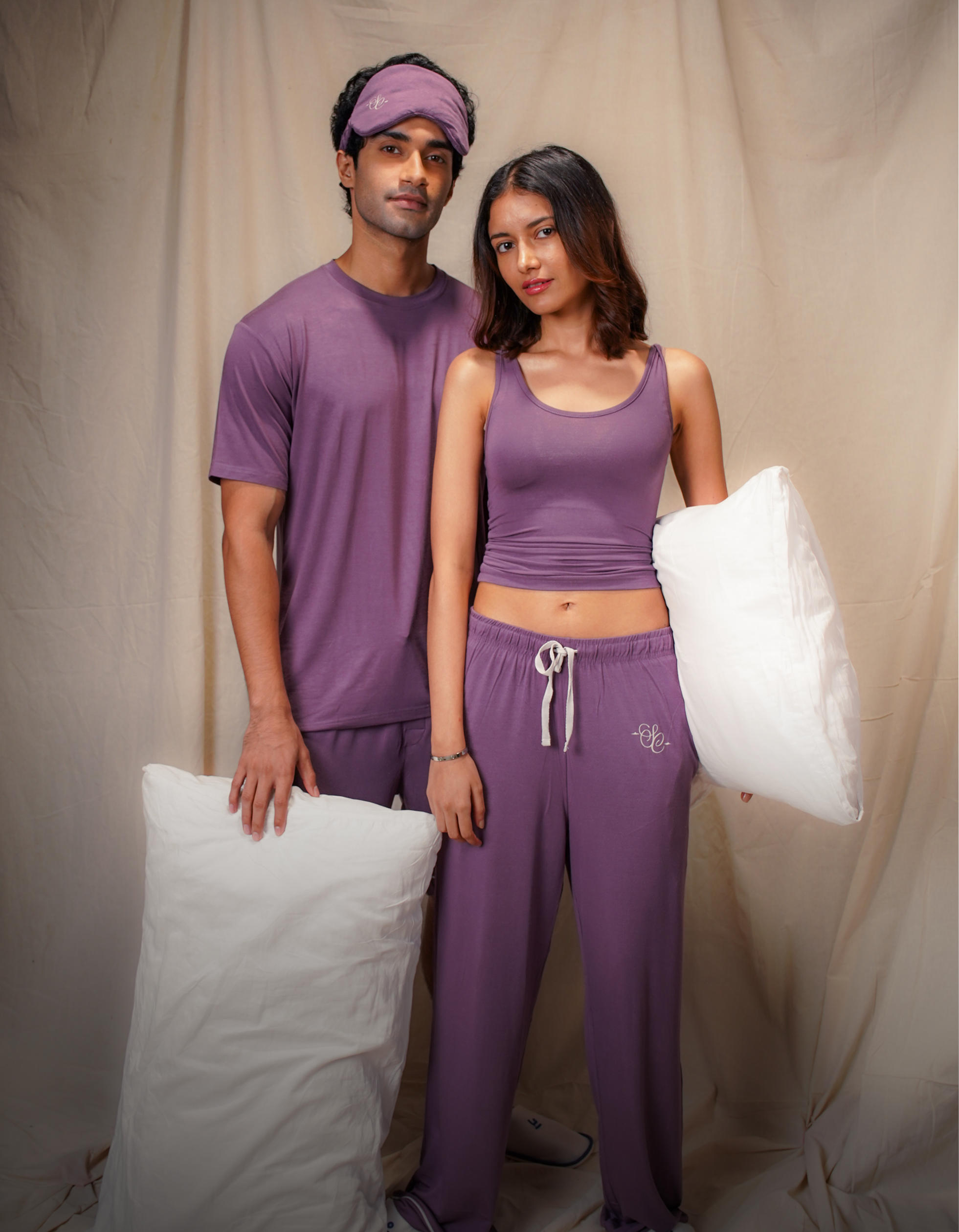
Tencel is the brand name for Lyocell, a fibre made from eucalyptus wood pulp using a closed-loop process that recycles nearly all the water and solvents used. The fibres themselves are extremely fine and smooth at the microscopic level, which is why Tencel sleepwear has that almost-liquid drape against the skin.
For sleep specifically, Tencel's biggest strength is how it manages moisture over time. It doesn't just absorb sweat, it moves it through the fibre and releases it into the air, keeping the fabric surface dry rather than damp.
- Absorbs and releases moisture efficiently.
- Helps keep the fabric surface dry.
- Doesn't cling to the body like heavier fabrics.
So if you're someone who runs hot all night or wakes up feeling clammy, Tencel tends to perform better over a full eight hours than most alternatives. It also doesn't cling to the body the way heavier fabrics do, which makes a real difference when you're lying still in a warm room.

For anyone with sensitive skin, the ultra-smooth fibre also reduces friction, irritation, and interrupted sleep from discomfort.
How bamboo works at night
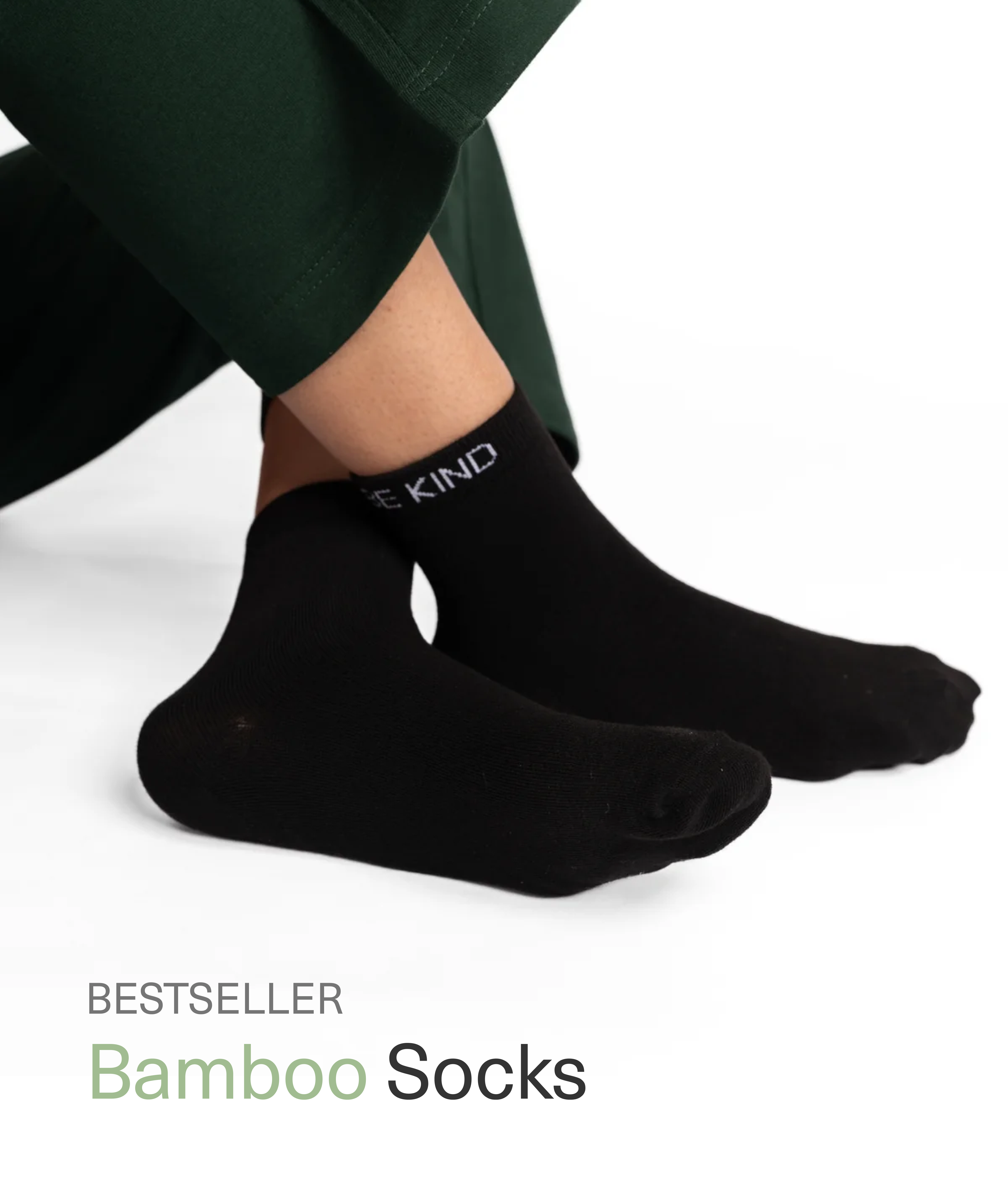
Bamboo sleepwear has a different quality. That instant cool-touch feeling when you slip into bamboo boxer shorts or bamboo pants before bed creates a naturally refreshing experience. Bamboo fibres have a naturally cool feel that Tencel doesn't quite match in that initial moment.
Key benefits of bamboo sleepwear:
- Naturally antimicrobial properties that help resist odour and bacteria.
- Stays fresher for longer, reducing the need for frequent washing.
- Highly breathable fabric for comfortable airflow throughout the night.
- Soft texture with a premium feel similar to high-quality sateen.
Bamboo is also highly breathable and soft with a slightly more substantial feel, making it a preferred option for people who enjoy sleepwear that feels comfortable without being overly lightweight.
Bamboo shirts and pants, used as loungewear, also maintain their shape well, making them a versatile choice for relaxing at home and for wear beyond the bedroom.
So which one is right for you?
The honest answer is that it depends on how you sleep:
- Heavy sweaters or those without AC: Tencel is the better fit. It manages moisture more actively and keeps regulating your body temperature through the night, not just at the start.
- Those with sensitive or reactive skin: Tencel's ultra-smooth fibre reduces friction for uninterrupted sleep.
- Those who run warm but don't wake up drenched: Bamboo is a genuinely great choice, with that satisfying first-touch cooling at bedtime.
- Those who want strong antimicrobial protection: Bamboo's natural properties make it ideal, especially through India's warmer months.
Both fabrics are a conscious choice. Both are softer than conventional cotton. And neither is a compromise; they're just designed for slightly different sleepers.
At One Less, every purchase plants a tree. So whichever fabric suits your nights better, you're sleeping well in more ways than one.
FAQs
1. Is Tencel or bamboo better for hot Indian summers?
Tencel has a slight edge for very hot, humid nights because it manages moisture more actively over time. Bamboo is excellent for warm nights where sweating is light to moderate.
2. Is bamboo fabric good for sensitive skin?
Yes. Bamboo is naturally hypoallergenic and antimicrobial, making it a good choice for skin that reacts easily, especially in warmer months.
3. Can I wear Tencel sleepwear year-round in India?
Yes. Tencel's temperature-regulating properties work well across seasons, cooling in summer, not uncomfortably cold in milder weather.
4. Is Tencel eco-friendly?
Tencel is made using a closed-loop manufacturing process that recycles nearly all water and solvents used, giving it a clear sustainability advantage over most conventional fabrics.
5. Which fabric lasts longer - Tencel or bamboo?
Tencel fibres are stronger when wet, which means they hold up better over repeated washing. Bamboo is also durable but may wrinkle more easily.



Leave a comment
This site is protected by hCaptcha and the hCaptcha Privacy Policy and Terms of Service apply.