


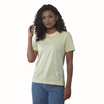
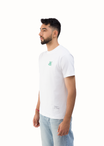
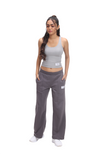
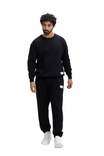
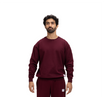
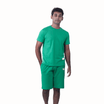
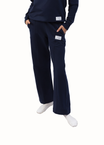
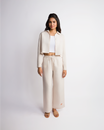


Natural, temperature-regulating fabrics improve sleep quality by preventing heat retention, allowing your skin to breathe, and supporting your body’s natural circadian temperature drops. Synthetic materials like polyester trap body heat and moisture, triggering micro-awakenings throughout the night. Switching to high-breathability natural fibres- such as TENCEL™ Modal, organic cotton, and bamboo - keeps your core temperature balanced for deeper, uninterrupted restorative sleep.
The Biological Link Between Fabric and Sleep
During the sleep cycle, your body goes through a natural thermoregulation process. To initiate and maintain deep sleep, your core body temperature must drop by approximately 1°C to 2°C (1.8°F to 3.6°F).
When your sleepwear or bedding traps heat, your thermoregulation process breaks down:
- Circadian Signalling: Your brain relies on a cooling signal to release melatonin, the primary hormone that triggers sleepiness. Excessive heat delays this release.
- Night Sweats and Micro-Awakenings: Non-breathable fabrics trap warm air and sweat against the skin, causing humidity to build up. As your body attempts to cool itself, you shift out of slow-wave (deep) sleep into lighter sleep stages or awaken fully.
- Restless Movements: Overheating prompts frequent tossing and turning as your body attempts to create airflow, disrupting overall sleep continuity.
How Fabrics Compare for Sleep Quality
Selecting sleepwear engineered with natural, breathable fibers ensures your body remains in thermal balance all night long.
|
Fabric Type |
Origin / Material |
Breathability & Airflow |
Moisture Management |
Sleep Impact |
|
TENCEL™ Modal |
Botanically sourced wood pulp |
Exceptional high-airflow structure |
Absorbs and releases moisture 50% faster than cotton |
Optimal core cooling; prevents night sweats and skin irritation |
|
GOTS Organic Cotton |
100% pesticide-free plant fiber |
Naturally permeable weave |
Absorbent, gentle on skin |
Reliable airflow, hypoallergenic, and ideal for mild climates |
|
Bamboo Fiber |
Renewable bamboo stalks |
Highly porous micro-structure |
High moisture-wicking capacity |
Keeps skin dry and cool; suitable for hot sleepers |
|
Polyester / Synthetics |
Petroleum-derived synthetic fiber |
Low to zero breathability |
Traps moisture against skin |
Causes heat spikes, sweat retention, and continuous sleep disruption |
Why TENCEL™ Modal and Organic Cotton Superiority Matters
Synthetic sleepwear acts as an insulator, holding heat in a sealed microclimate around your skin. In contrast, natural plant-based fabrics deliver three key physiological benefits:
- Thermoregulation: Fibers like TENCEL™ Modal automatically adapt to body temperature shifts, releasing excess ambient heat when temperatures rise.
- Moisture-Wicking: Instead of soaking up sweat and remaining damp, high-quality botanical fibers rapidly pull moisture away from the epidermis, enabling natural evaporative cooling.
- Skin Health and Tactile Comfort: Free from harsh petroleum chemicals, toxic dyes, and synthetic resins, pure plant-derived textiles reduce friction and soothe sensitive skin.
Key Takeaways for Everyday Sleep Health
- Optimize your sleep environment: Keep room temperatures around 18°C-20°C (65°F–68°F) while wearing lightweight, natural sleepwear.
- Ditch synthetic blends: Eliminate polyester, acrylic, and nylon from your nightwear drawer.
- Prioritize natural fibers: Opt for botanically sourced textiles like TENCEL™ Modal and GOTS-certified organic cotton to support your body's natural cooling cycles.
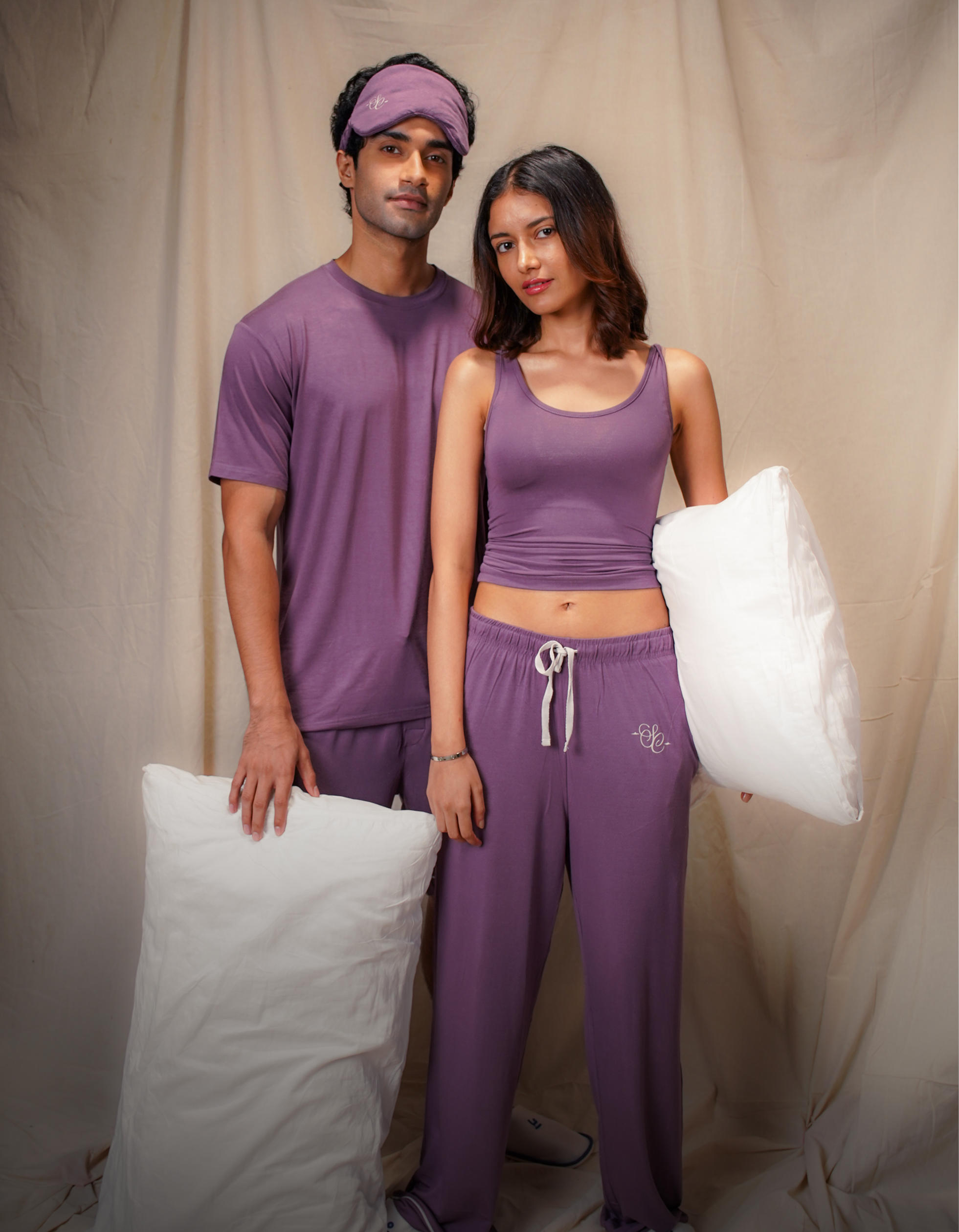
At One Less, we design everyday essentials and sleepwear crafted exclusively from TENCEL™ Modal and organic cotton, giving you one less distraction at night and one more step toward restorative, sustainable living.
Frequently Asked Questions (FAQ)
Why are breathable, natural fabrics better for sleep than synthetic materials?
Natural fabrics, such as TENCEL™ Modal, organic cotton, and bamboo, allow excess body heat to escape and pull moisture away from your skin. Synthetic fabrics like polyester trap air and humidity, creating a warm microclimate around your body. This heat buildup interferes with your body's natural circadian cooling cycle, triggering micro-awakenings and night sweats that disrupt deep sleep.
What makes TENCEL™ Modal superior to traditional cotton for sleepwear
TENCEL™ Modal is a botanically sourced fiber derived from sustainably harvested beechwood. It offers high airflow and absorbs moisture 50% faster than standard cotton, facilitating rapid cooling. Furthermore, its smooth surface structure minimizes friction against sensitive skin, making it an ideal material for nighttime thermoregulation.
How does garment breathability affect body temperature during the sleep cycle?
For your brain to signal the release of melatonin and transition into slow-wave (deep) sleep, your core body temperature must drop by 1°C to 2°C. Breathable fabrics support this natural biological shift by facilitating evaporative cooling. Non-breathable fabrics insulate the body, preventing temperature drops and leading to restlessness, tossing, and interrupted sleep.
How should I care for natural sleepwear to maintain its cooling properties?
To preserve the structural fibre integrity and high breathability of TENCEL™ Modal and organic cotton sleepwear:
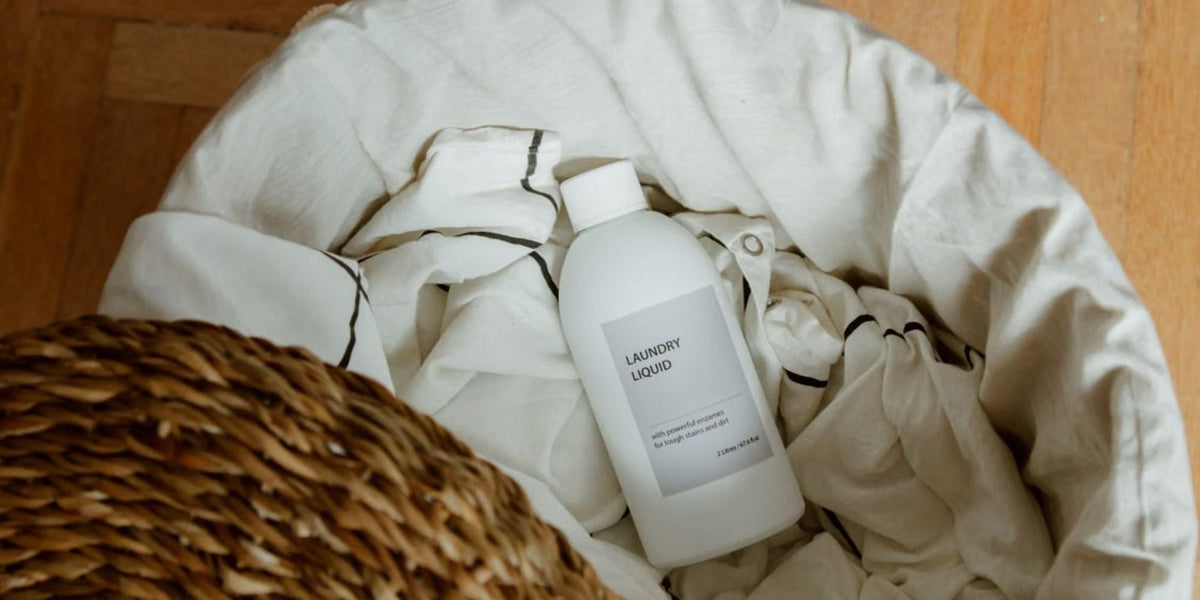
- Wash in cold water on a gentle cycle using mild, eco-friendly detergent.
- Avoid fabric softeners, bleach, or harsh chemical additives that coat natural fibers and reduce moisture-wicking capacity.
- Air dry in the shade or tumble dry on low heat to prevent fabric stress and shrinkage.
Is One Less sleepwear ethically sourced and certified organic?
Yes. All One Less garments and sleepwear sets (including The Snooze Club collection) are made using GOTS-certified organic cotton, TENCEL™ Modal, and non-toxic Oeko-Tex certified dyes. Every product is ethically produced in India, packaged in decomposable materials, and directly linked to reforestation through our "1 Purchase = 1 Tree Planted" UN-recognized initiative.


Leave a comment
This site is protected by hCaptcha and the hCaptcha Privacy Policy and Terms of Service apply.