




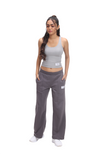
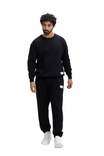





The way you store your clothes matters just as much as how you wash them. Poor storage is one of the quietest causes of fabric damage, stretched necklines, faded colours, musty smells, and pieces that just don't hold their shape anymore. The good news: a few small habits can add years to your wardrobe, which also means fewer replacements and less waste.
General Storage Principles
Always store clean, dry clothes. Sweat, oils, and stains left untreated attract pests and can set into fabric over time, even if they're invisible right now.
Fold, don't hang, knits and stretch fabrics. Hanging heavier knitwear or soft, stretchy pieces causes them to sag and lose shape at the shoulders. Save hangers for structured pieces like shirts.
Keep clothes out of direct sunlight and damp spaces. Sunlight fades colour over time, and humidity invites mould and mildew, especially in monsoon-prone Indian homes.
Avoid airtight plastic covers. Fabric needs to breathe. Use breathable cotton garment bags or pillowcases instead of sealed plastic, which traps moisture.
Don't overcrowd your closet. Overpacked shelves crush fibres and prevent airflow, both of which speed up wear.
Storing by Fabric
Organic Cotton
Cotton is sturdy but prone to wrinkling if folded carelessly. Fold along natural seams and store in stacks no higher than 5–6 pieces to avoid pressure creases. Our organic cotton essentials are breathable by design, pair that with proper folding and they'll hold their softness wash after wash.
TENCEL Modal
TENCEL is a delicate, fluid fabric that creases easily under weight. Fold gently - don't cram it into drawers, and keep it away from rough surfaces or sharp edges that can snag the fibre. Our TENCEL sleepwear holds its drape best when given a little breathing room on the shelf.
Hemp-Bamboo
This blend is naturally moisture-wicking and antibacterial, but it still needs a dry environment to stay that way. Avoid storing hemp-bamboo pieces in humid corners of your wardrobe, trapped moisture can affect the fabric's natural properties over time. Explore our hemp-bamboo collection.
 Bamboo Socks
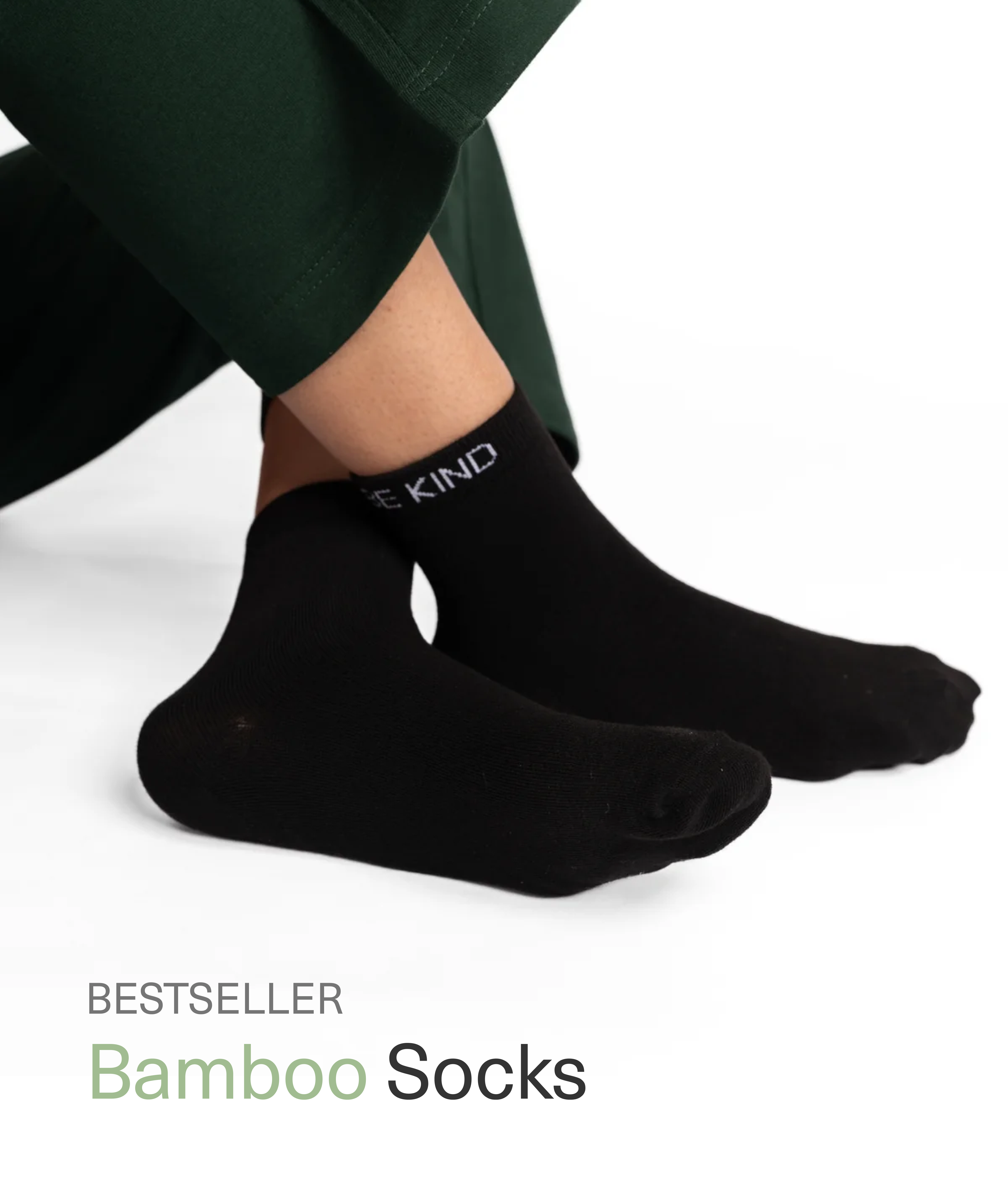
Pair and roll rather than folding flat - this keeps the elastic from stretching out of shape and makes them easier to find. Store in a dedicated drawer section rather than tossed in with heavier garments. Shop bamboo socks.
Raffia Bags
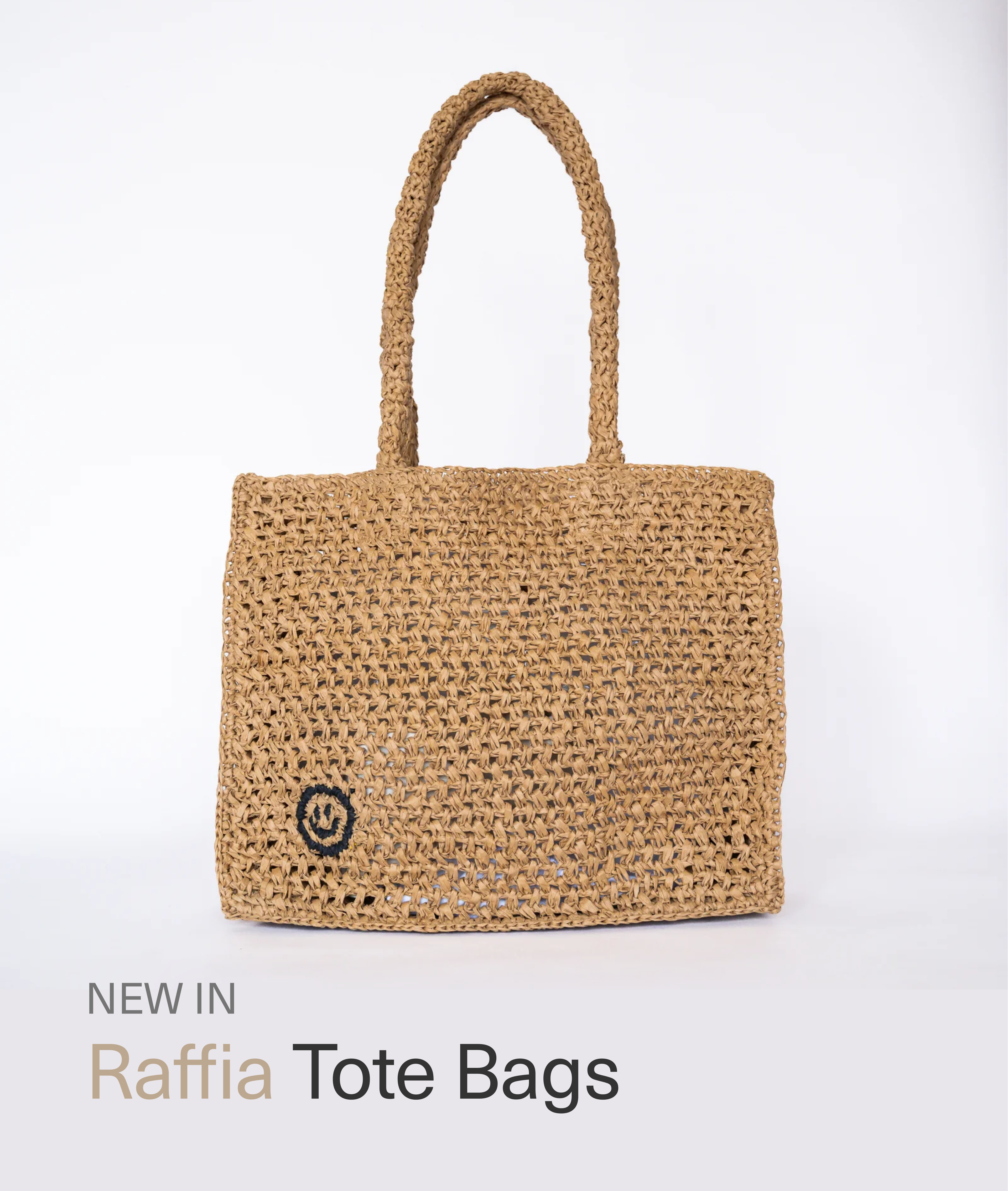
Raffia needs a different kind of care altogether. Keep bags away from direct sunlight, which fades the natural fibre over time, and avoid humid storage spots that can cause mold. When not in use, store your bag in a dust bag or pillowcase, and stuff it with tissue paper to help it hold its shape. Explore the Raffia Collection, including The Flora Bag and our raffia totes.
Common Storage Mistakes to Avoid
- Using wire hangers, which distort shoulders and necklines.
- Storing off-season clothes without washing them first.
- Packing clothes too tightly to "save space".
- Ignoring closet ventilation.
- Leaving raffia or natural-fibre pieces in direct sunlight for long periods.
Quick Storage Checklist
- Wash and dry fully before storing.
- Fold knits, hang structured pieces.
- Use breathable storage, no sealed plastic.
- Keep away from sunlight and humidity.
- Give raffia and delicate fabrics extra care with dust bags and tissue stuffing.
FAQs
Does folding clothes reduce wear and tear compared to hanging?
For knits, stretch fabrics, and delicate pieces like TENCEL, yes - folding prevents stretching at the shoulders and seams that hanging can cause over time.
Can I store natural fibre accessories like raffia bags the same way as clothes?
No. Raffia needs a dust bag or pillowcase, tissue paper stuffing to hold shape, and protection from both sunlight and humidity, closer to how you'd store leather than fabric.
How often should I rotate seasonal storage?
Every 3-4 months is a good rhythm for most Indian climates, enough to catch early signs of moisture damage or pests before they spread.
Is it okay to store clothes in vacuum-sealed bags?
Best avoided for everyday wear. Vacuum sealing works for true off-season storage (like winter woollens in summer), but it crushes fibres and cuts off airflow, so it's not ideal for pieces you'll want to keep soft and shape-true, like cotton or TENCEL.
Why do my clothes smell musty after being stored for a while?
Usually trapped moisture, either the clothes weren't fully dry before storing, or the storage space itself doesn't get enough airflow. Adding silica packets or a small breathable sachet to your closet can help.
Should I store clothes differently in humid vs dry climates?
Yes. In humid regions, prioritise breathable storage and check pieces more often for early mildew signs. In drier climates, the bigger risk is fabric becoming brittle, so avoid packing things too tightly for long stretches.



Leave a comment
This site is protected by hCaptcha and the hCaptcha Privacy Policy and Terms of Service apply.