









You pick up a t-shirt, flip it over, and find a tag with four different symbols, two acronyms, and a percentage breakdown of fabric content. Most people put it back and move on. But if you're trying to shop more consciously, that label is actually the most honest thing about the garment.
Here's how to read it properly.
Start with the fabric content
The first thing on any clothing label is the material breakdown, 100% cotton, 95% polyester, 5% elastane, and so on. This tells you what the garment is actually made of, which matters for both comfort and environmental impact.
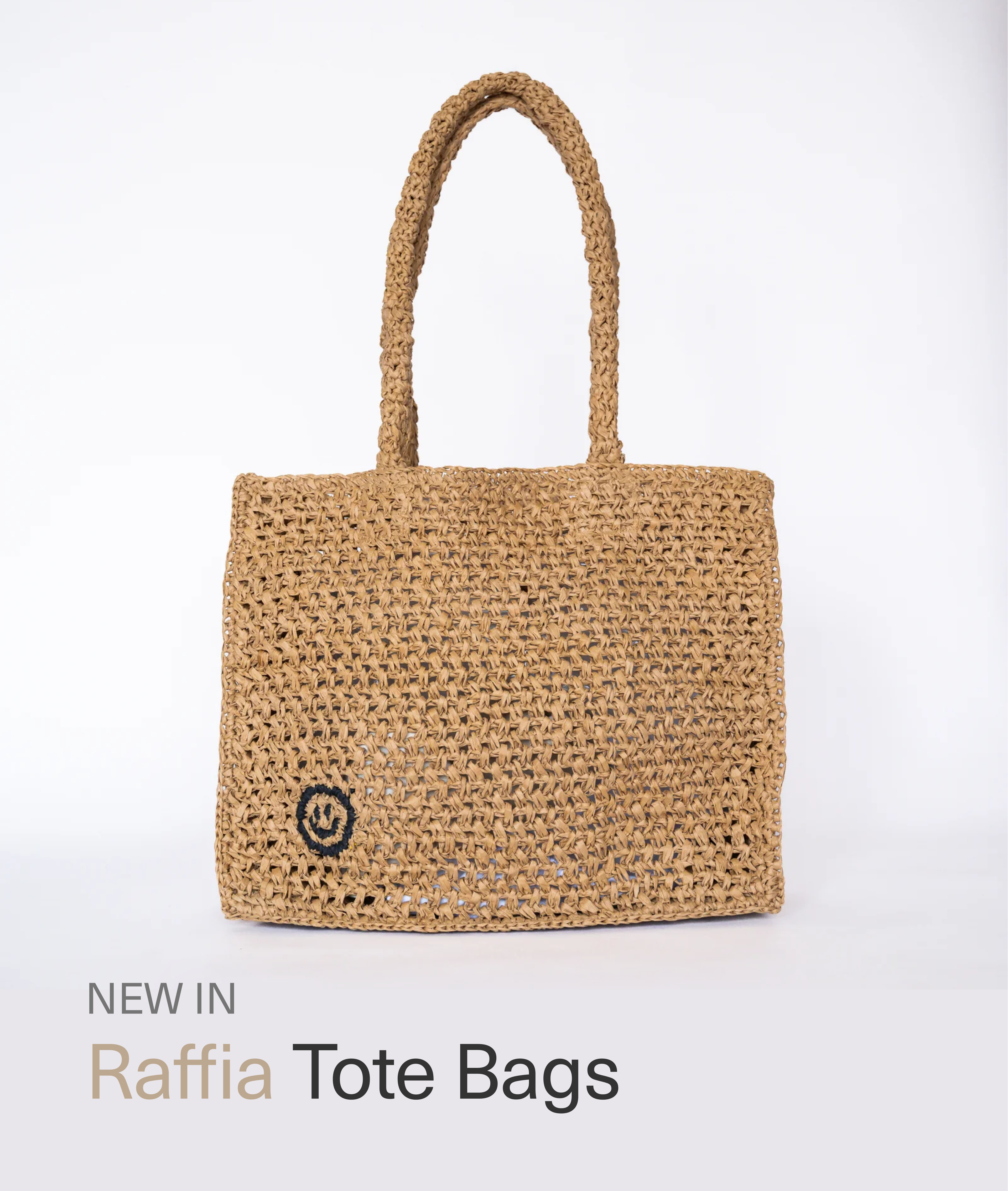
Conventional cotton, despite feeling natural, is one of the most pesticide-intensive crops in the world. Synthetic fabrics like polyester are derived from fossil fuels and shed microplastics with every wash. Natural alternatives like organic cotton, Tencel, hemp, and bamboo have a significantly lower environmental footprint, but only if they're certified.
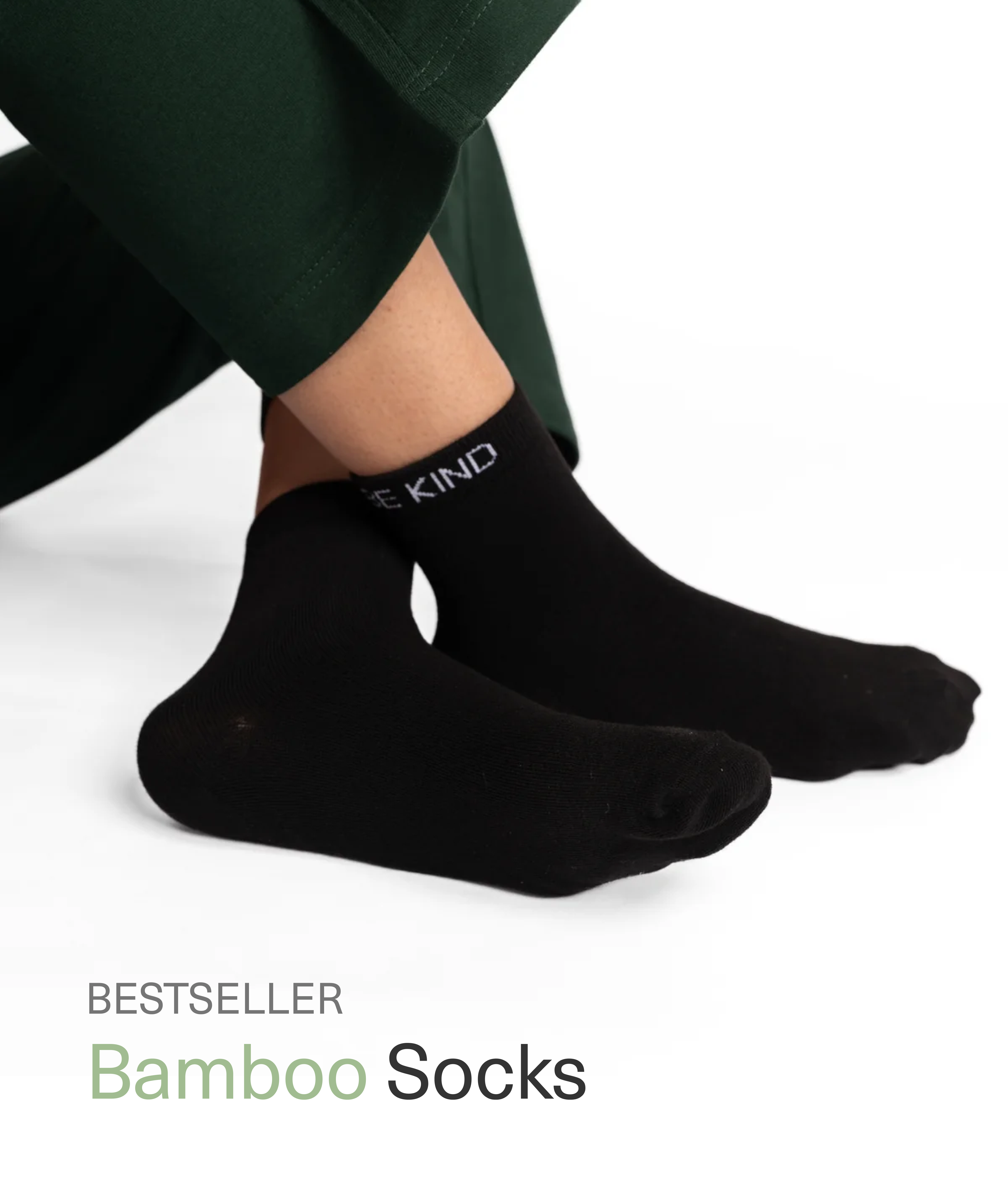
Hemp grows without pesticides and actually improves soil health. Bamboo is naturally antimicrobial and biodegradable. Each of these fabrics is a step toward more ethical fashion, but the certification on the label is what separates a genuine claim from a marketing one.
Which brings us to the certifications.
GOTS - Global Organic Textile Standard
GOTS is the most rigorous certification for sustainable textiles. It covers the entire supply chain, from the farming of the raw fibre to the final finished garment, ensuring that organic standards are maintained at every step.
For a product to carry the GOTS label, the fabric must contain at least 70% certified organic natural fibres, and the processing must meet strict environmental and social criteria. No toxic dyes, no harmful chemicals, fair working conditions throughout.
When you see GOTS on a label, it means the organic claim has been independently verified, not self-declared by the brand.
OEKO-TEX Standard 100
OEKO-TEX is different from GOTS; it doesn't certify the farming or supply chain, but it does certify that the finished product has been tested for harmful substances. Every component of the garment, fabric, thread, buttons, and zips is tested against a list of over 100 harmful chemicals.
This is particularly important for people with sensitive skin or anyone buying clothing for children. OEKO-TEX doesn't mean organic, but it does mean safe.
Many sustainable brands carry both GOTS for the organic supply chain and OEKO-TEX for the final product safety. If you see both on a label, that's a strong signal.
Fair Trade Certified
Fair Trade certification focuses on the people making the clothes rather than the fabric itself. It ensures that workers receive fair wages, work in safe conditions, and aren't exploited in the manufacturing process.
Fast fashion's low prices are often subsidised by underpaid labour in unregulated factories. Fair Trade certification is the counter to that; it means the human cost of the garment has been accounted for.
Bluesign
Less commonly seen on consumer labels but worth knowing, Bluesign certifies that the manufacturing process used resources responsibly, minimised environmental impact, and maintained safe working conditions in the factory. It's more commonly found on performance and outdoor wear.
What greenwashing looks like
Not every sustainability claim on a label is backed by a certification. Phrases like "eco-friendly," "conscious collection," "made with nature," or "sustainable materials" mean nothing without a third-party certification to back them up. Any brand can print these words on a swing tag.
The tell is always the certification logo. If there's no GOTS, no OEKO-TEX, no Fair Trade symbol, just marketing language, treat the claim with scepticism.
Care labels matter too
The small symbols at the bottom of the label, such as wash temperature, ironing guidance, and dry clean instructions, directly affect how long a garment lasts. Washing clothes at lower temperatures, air drying instead of tumble drying, and washing less frequently all extend the life of the garment and reduce its environmental footprint over time.
Sustainable fashion isn't just about what you buy; it's about how you look after what you already own.
What to look for in summary
When you pick up a garment and check the label, here's what to look for: fabric content that includes certified organic or natural fibres, a GOTS or OEKO-TEX certification logo, clear country of manufacture, and care instructions that suggest the brand expects you to keep the piece for a long time.
At One Less, every garment is made from certified organic or natural fabrics. Browse our sustainable clothing India range, from organic cotton basics to eco-friendly Tencel sleepwear. The label on your One Less piece isn't decoration. It's a record of every choice made to get it to you.
What Sustainable Shoppers Ask Most
1. What does GOTS certified mean on a clothing label?
GOTS (Global Organic Textile Standard) means the garment has been independently verified to meet organic standards across the entire supply chain, from farming to finished product. It covers fabric, dyes, processing, and working conditions.
2. Is OEKO-TEX the same as organic?
No. OEKO-TEX certifies that the finished garment is free from harmful chemicals; it doesn't certify the farming or supply chain. A garment can be OEKO-TEX certified without being made from organic fibres.
3. How do I spot greenwashing on a clothing label?
Look for third-party certification logos like GOTS or OEKO-TEX. If a label only uses words like "eco-friendly" or "conscious" without any certification to back it up, it's likely a marketing claim rather than a verified standard.
4. Does the care label affect sustainability?
Yes. Washing at lower temperatures, air drying, and washing less frequently all extend the life of the garment and reduce water and energy consumption over its lifetime.
5. Can a garment be both GOTS and OEKO-TEX certified?
Yes, and many sustainable brands carry both. GOTS covers the supply chain and organic standards, while OEKO-TEX certifies the final product for harmful substances. Together, they give a more complete picture of the garment's sustainability credentials.


Leave a comment
This site is protected by hCaptcha and the hCaptcha Privacy Policy and Terms of Service apply.