

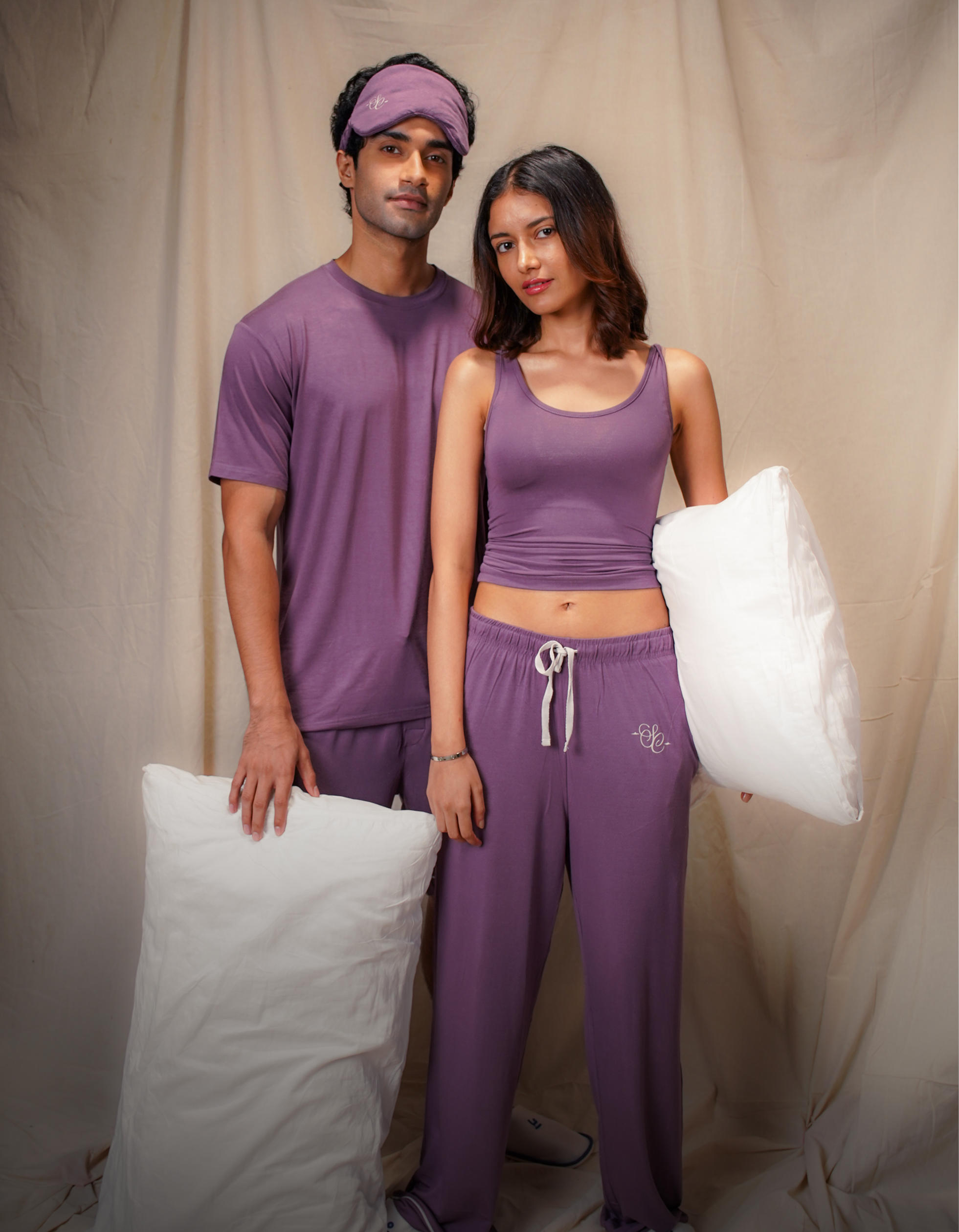
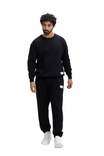
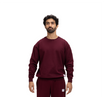
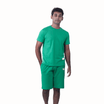
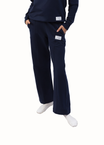
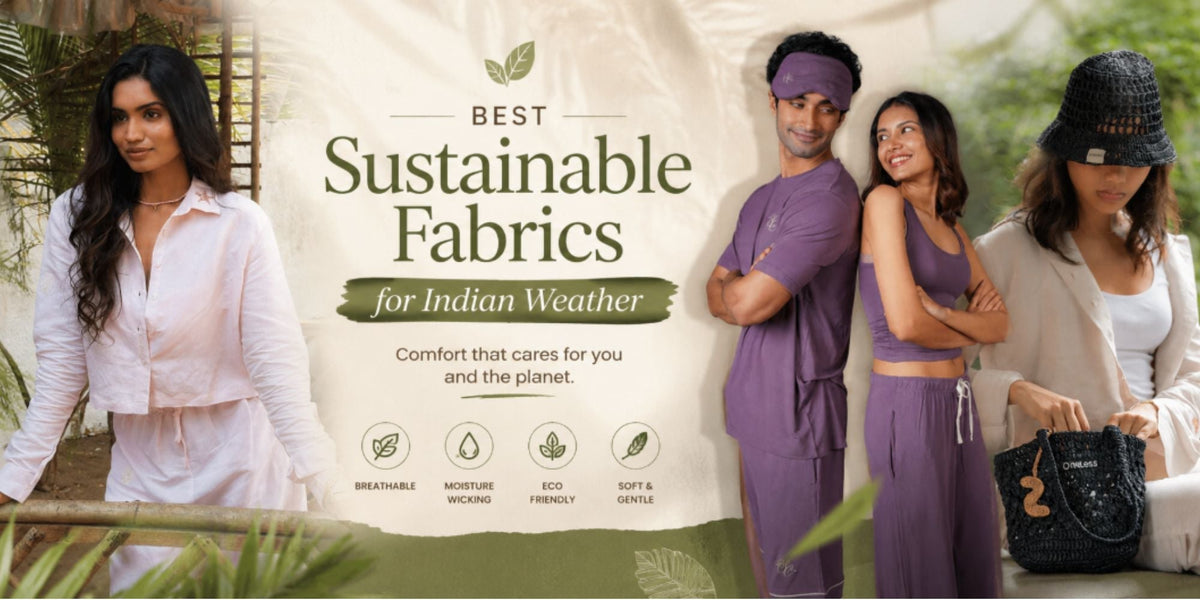
The best sustainable fabrics for Indian weather are bamboo for year-round versatility, organic cotton for dry heat, and Tencel for monsoon humidity, each suited to a different climate condition rather than one fabric working everywhere.
1. Bamboo - Best All-Rounder
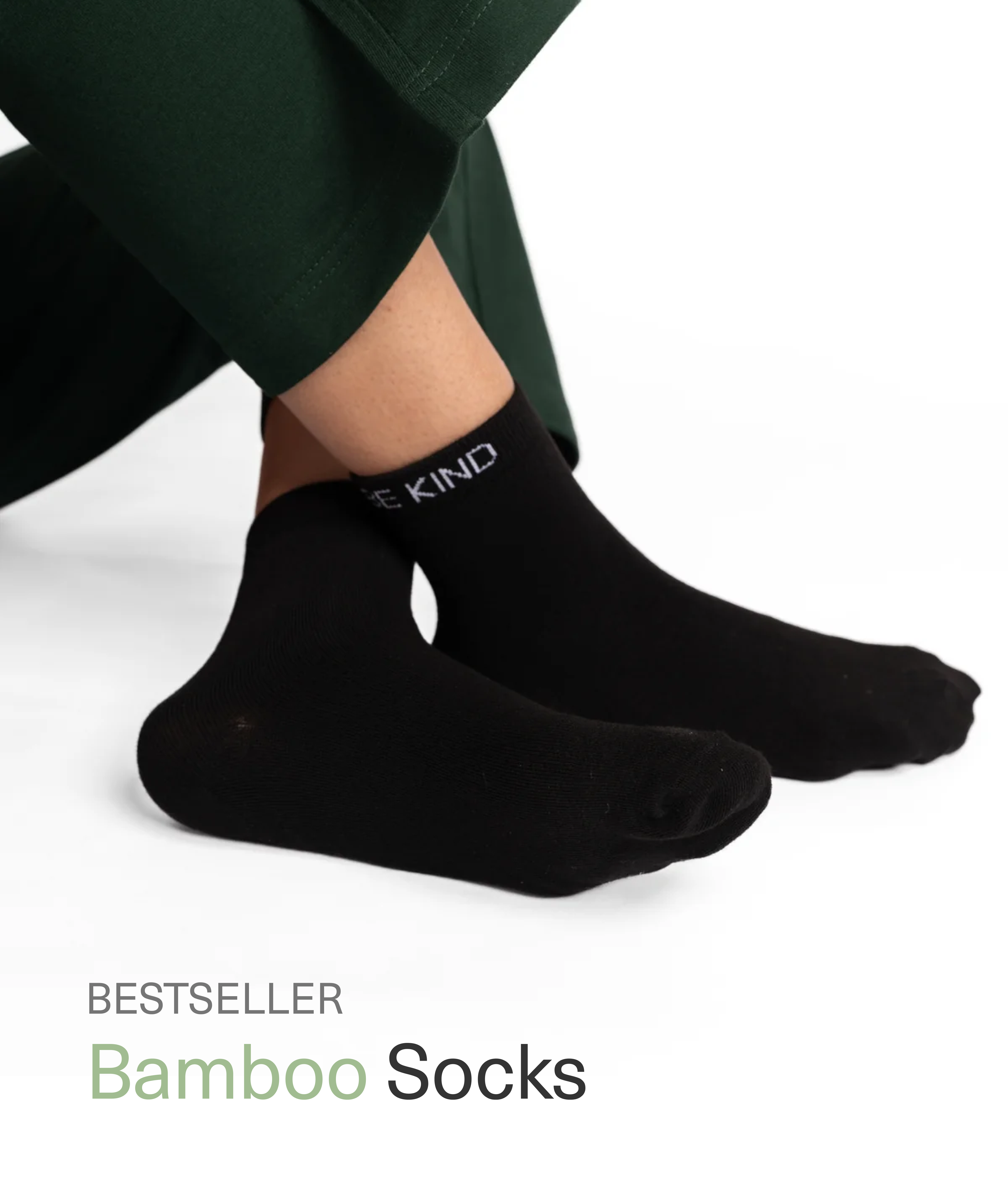
Bamboo fabric is the most versatile sustainable option for Indian weather. It is moisture-wicking, temperature-regulating, and naturally breathable, which means it handles both humid coastal climates and dry inland heat better than most fabrics.
For summer, it keeps you cool. For transitional weather, it adjusts. The antibacterial properties are a genuine advantage in a country where heat and sweat are unavoidable realities for half the year.
Best for: Year-round wear, active use, coastal and humid climates.
2. Organic Cotton - Most Reliable
Organic cotton is not exciting, but it is dependable. It breathes well, absorbs moisture, and is gentle enough for daily wear across all age groups. In India's dry heat - Rajasthan, Gujarat, inland UP, organic cotton is hard to beat.
It does struggle slightly in very humid conditions where moisture-wicking becomes more important than absorption, but for most Indian weather situations, organic cotton is the safest, most comfortable, sustainable choice.
Best for: Dry heat, everyday wear, sensitive skin. 3. Tencel (Lyocell) - Best for Monsoon
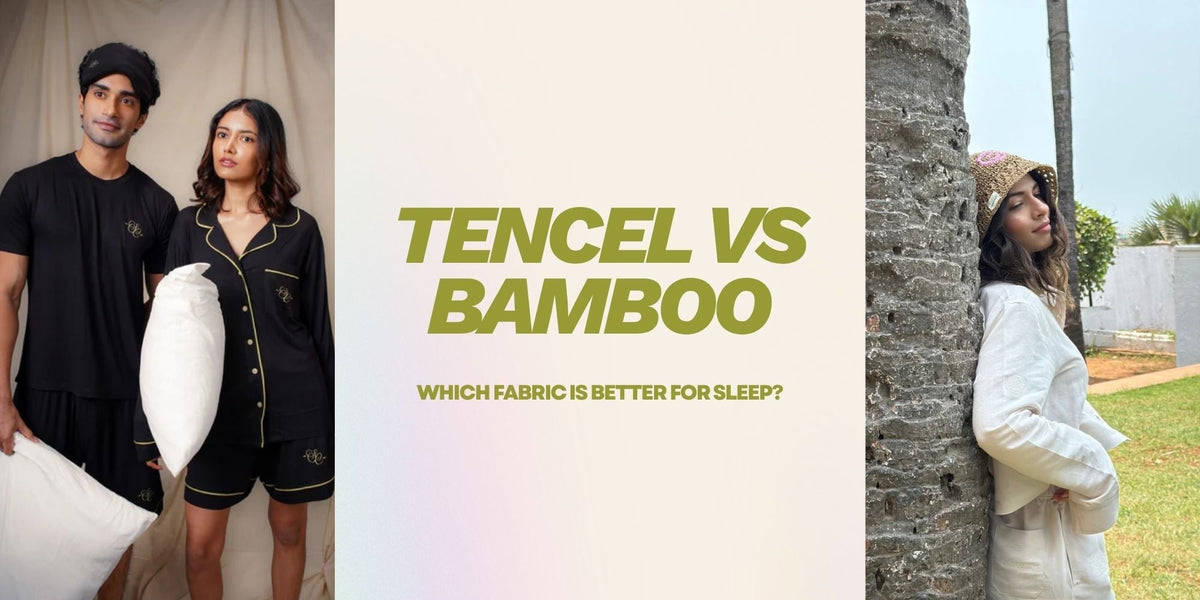
Tencel is made from wood pulp using a closed-loop manufacturing process that recaptures almost all solvents used. The result is a fabric that is soft, smooth, and exceptionally good at managing moisture, which makes it ideal for the Indian monsoon season.
Unlike cotton, Tencel releases moisture quickly and dries faster. It also resists that damp, heavy feeling that cotton can develop in prolonged humidity. If you live in a high-rainfall region or wear through the monsoon months, Tencel is your best sustainable option. Want the full breakdown? Read our complete guide to Tencel fabric.
Best for: Monsoon, high-humidity regions, travel.
4. Hemp-Bamboo Blends - Best for Durability
Hemp on its own can feel rough, especially in its unprocessed form. But blended with bamboo, it produces a fabric that combines hemp's durability and UV resistance with bamboo's softness and breathability. Hemp-bamboo blends are particularly good for outdoor wear, travel, and activewear in Indian climates.
Hemp also gets softer with each wash, meaning a hemp-bamboo garment improves over time rather than deteriorating.
Best for: Outdoor wear, travel, activewear, high-UV environments.
5. Raffia - Most Niche, Most Seasonal
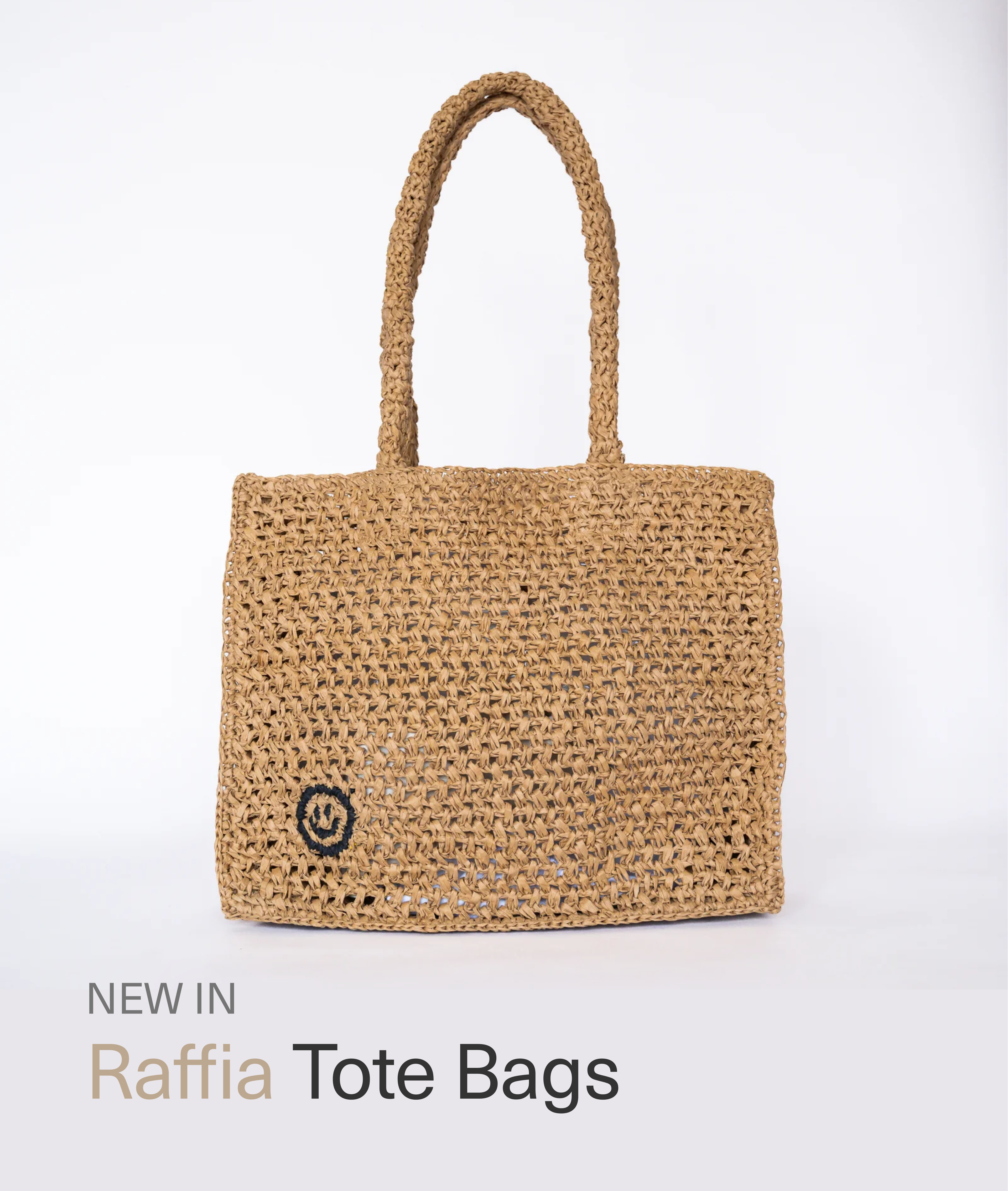
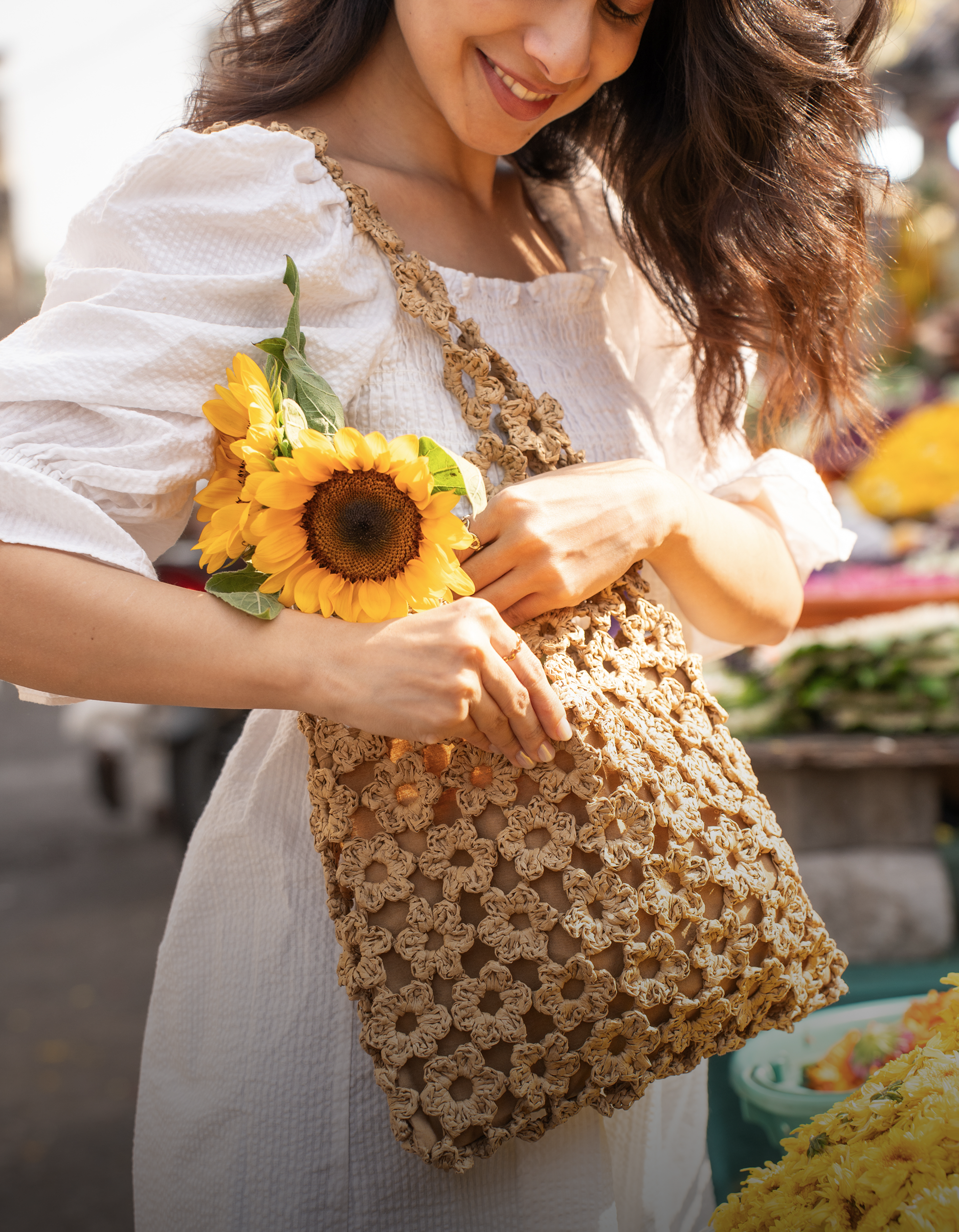
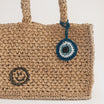
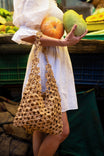
Raffia is a natural palm fibre that is lightweight, structured, and distinctly textured. It is not a fabric for daily wear; it is a statement material best suited to accessories, outer layers, and warm-weather occasion dressing.
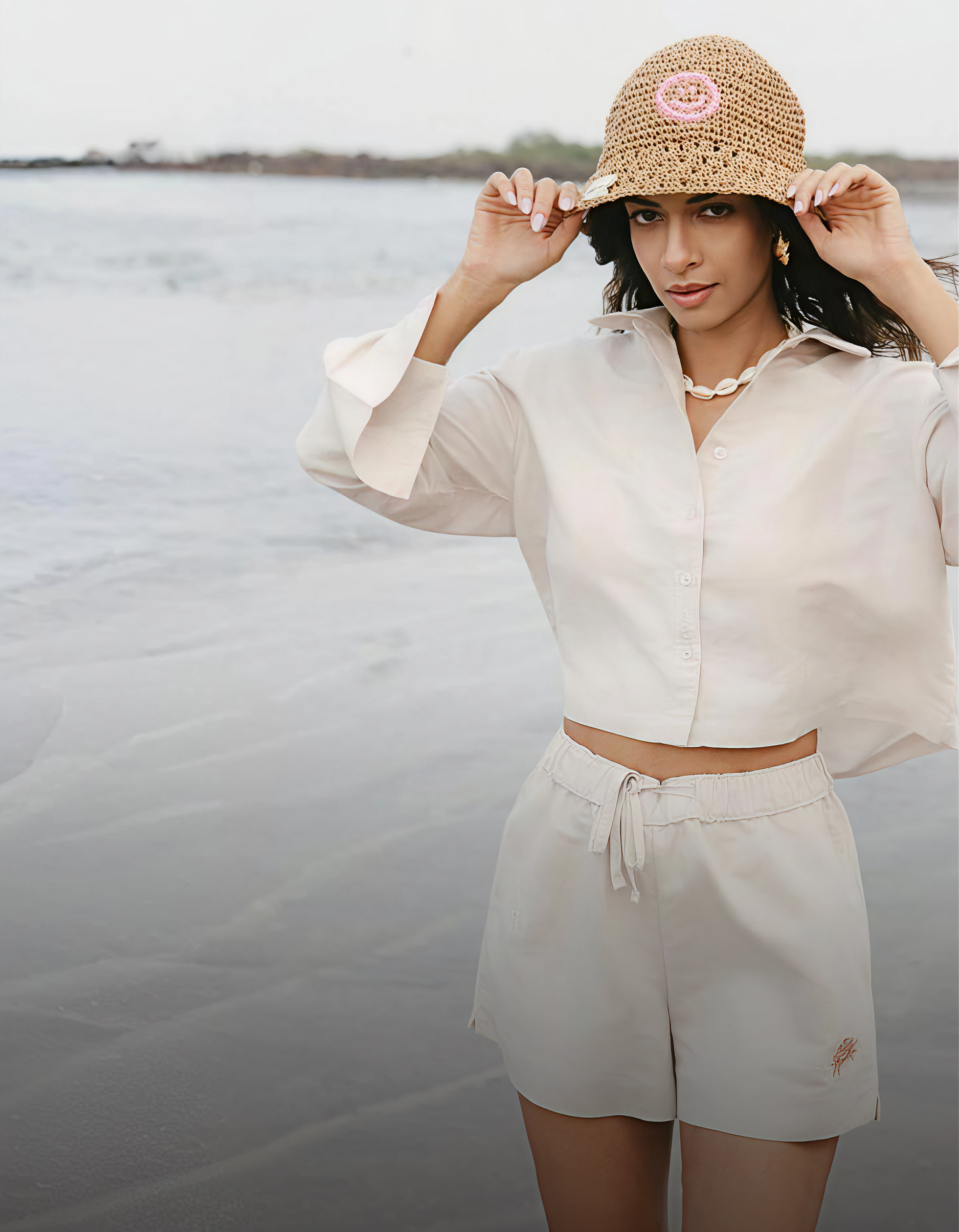
In Indian summers and at beach or resort destinations, raffia accessories and outerwear carry a natural, effortless aesthetic that synthetic or even conventional natural fabrics cannot replicate. It is seasonal, specific, and not for everyone, but when used right, nothing else looks quite like it.
Best for: Summer occasion wear, accessories, resort dressing.
The Verdict
For most people living in Indian conditions, a wardrobe built around bamboo, organic cotton, and organic clothing covers 90% of their needs sustainably. Add Tencel for monsoon months, hemp-bamboo for outdoor or active use, and raffia as a seasonal accent, and you've covered every climate India throws at you without compromising on your values or your comfort.
FAQs
Which sustainable fabric is best for Indian summers?
Bamboo, for its moisture-wicking and cooling properties across both humid and dry conditions. Organic cotton is a close second for dry-heat regions.
Is Tencel good for Indian skin?
Yes, Tencel is smooth, hypoallergenic, and doesn't trap moisture against the skin, making it well-suited to India's heat and humidity, especially for sensitive skin.
Can hemp-bamboo blends be worn daily?
Yes, though they're best suited to outdoor, travel, or active use where durability and UV resistance matter most. Hemp-bamboo softens with wear, so daily use actually improves comfort over time.
Is raffia comfortable to wear for long hours?
Raffia is structured and textured rather than soft against skin, so it works best for accessories and occasion wear rather than all-day comfort pieces like clothing.


Leave a comment
This site is protected by hCaptcha and the hCaptcha Privacy Policy and Terms of Service apply.