










Sustainable fashion has become an increasingly important consideration for Indian shoppers. But with terms such as organic, eco-friendly, conscious, and sustainable clothing appearing across fashion websites, it can be difficult to understand what they actually mean.
A sustainable clothing brand is not defined by a single fabric or claim. Materials, manufacturing practices, certifications, garment durability, packaging, and how a brand approaches its supply chain can all contribute to its overall environmental and social impact.
If you are looking for sustainable clothing in India, understanding these factors can help you make more informed choices rather than relying only on marketing labels.
What Does Sustainable Clothing Mean?
Sustainable clothing generally refers to clothing designed, produced, and used with greater consideration for environmental and social impacts.
This can involve several aspects of a garment's lifecycle, including:
- The materials used to make the fabric.
- How fibres are grown or produced.
- Water and chemical use during manufacturing.
- Working conditions and supply-chain practices.
- The durability and expected lifespan of clothing.
- Packaging and transportation.
- What happens to the garment after it is no longer used.
There is no single definition that makes a garment automatically sustainable. Instead, sustainability is better understood as a combination of choices made throughout the product lifecycle.
What Makes an Indian Clothing Brand Sustainable?
When evaluating Indian clothing brands, look beyond words such as "eco-friendly" or "conscious." Consider the specific practices behind those claims.
1. Responsible Fabric Choices
The fabric is one of the first things to examine.
Some brands use organic cotton, linen, hemp, TENCEL™ fibres, or other materials that may have specific environmental or sourcing advantages.
For example, organic cotton is produced according to organic agricultural standards, while TENCEL™ branded fibres are produced from wood-based raw materials using a specific manufacturing process.
However, a fabric name alone does not tell you the complete sustainability story. The manufacturing process, certification, dyeing, finishing, and product lifespan also matter.
2. Organic Materials With Appropriate Certification
If a brand claims to use organic textiles, look for recognised certification where applicable.
GOTS (Global Organic Textile Standard) is one certification shoppers may encounter when researching organic textiles. GOTS covers organic fibre requirements as well as environmental and social criteria across processing and manufacturing.
Other certifications address different aspects of textile production. For example, OEKO-TEX® STANDARD 100 focuses on testing textiles for harmful substances.
These certifications should not be treated as interchangeable. Each has its own scope and requirements.
3. Transparency About Materials
A transparent brand should make it reasonably easy to understand what its products are made from.
Instead of simply saying "sustainable fabric," look for details such as:
- Fibre composition.
- Fabric type.
- Country or region of production, where available.
- Relevant certifications.
- Dyeing or finishing information.
- Care instructions.
- Packaging information.
Specific information makes sustainability claims easier for shoppers to evaluate.
Organic Clothing vs Sustainable Clothing
The terms organic clothing and sustainable clothing are related but they do not mean exactly the same thing.
Organic clothing generally refers to clothing made using organically produced fibres, such as organic cotton, subject to the relevant standards or certification.
Sustainable clothing is a broader concept that can include:
- Material sourcing.
- Manufacturing.
- Durability.
- Waste reduction.
- Packaging.
- Supply-chain practices.
- Responsible production.
This means a garment can use an organic fibre while still requiring shoppers to consider other aspects of its production.
Similarly, a sustainable clothing brand does not necessarily need to use only organic fibres.
Why Fabric Durability Matters
Sustainability is not only about what a garment is made from. How long it remains useful also matters.
A well-made garment that can be worn repeatedly and maintained for years can reduce the need to replace clothing frequently.
When shopping, consider:
- Fabric quality.
- Stitching and construction.
- Colour and print durability.
- Whether the garment can be repaired.
- Care requirements.
- Whether the design is likely to remain wearable over time.
Buying fewer, better-used garments can be part of a more conscious approach to fashion.
What Certifications Should You Look For?
Certifications can help shoppers understand specific aspects of textile production, but it is important to check what each certification actually covers.
GOTS
The Global Organic Textile Standard (GOTS) covers organic fibres and includes environmental and social criteria throughout textile processing.
OEKO-TEX® STANDARD 100
OEKO-TEX® STANDARD 100 tests textile products for harmful substances. It addresses product safety rather than establishing that a garment is organic.
FSC®
The Forest Stewardship Council (FSC) certification is associated with responsibly sourced forest-based materials. It can be relevant when brands use certain wood-derived fibres, depending on the certified supply chain.
TENCEL™
TENCEL™ is a trademark associated with specific branded fibres produced by Lenzing. It is a fibre brand rather than a general sustainability certification.
The key takeaway is simple: check what the logo or certification covers instead of assuming every certification means the same thing.
How to Identify Greenwashing in Fashion
As interest in sustainable fashion grows, shoppers may encounter broad environmental claims that provide little supporting information.
Be cautious of statements such as:
- "100% eco-friendly"
- "Completely sustainable"
- "Zero impact"
- "Green fashion"
Unless the brand provides meaningful information to support them.
Instead, look for specific claims and evidence.
For example, "made with certified organic cotton" is more informative than simply saying "eco-friendly cotton."
A transparent brand should ideally explain what makes a particular product or material more responsible and what the claim actually covers.
How to Choose Sustainable Clothing in India
You do not need to completely replace your wardrobe to make more conscious clothing choices.
A practical approach is to:
- Check the fabric composition before buying.
- Look for relevant certifications where certification is important to the claim.
- Choose durable garments that you expect to wear repeatedly.
- Buy according to your actual needs rather than trends.
- Follow the care instructions to extend garment life.
- Repair or reuse clothing when practical.
- Research brand claims instead of relying solely on sustainability labels.
This approach can help shoppers make more informed decisions while avoiding the idea that sustainable fashion has to be all-or-nothing.
Sustainable Clothing for the Indian Climate
India's diverse climate also makes fabric selection important.
Lightweight and breathable fabrics can be useful in hot weather, while fabric choice can vary depending on humidity, temperature, and season.
For example, organic cotton can be a practical choice for everyday Indian clothing because of its softness and breathability. Linen is also popular for hot weather because of its lightweight feel and airflow.
The most suitable fabric ultimately depends on the garment, weave, fit, local climate, and how the clothing will be used.
What Makes One Less Official Different?
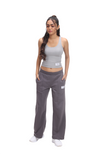
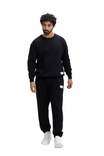
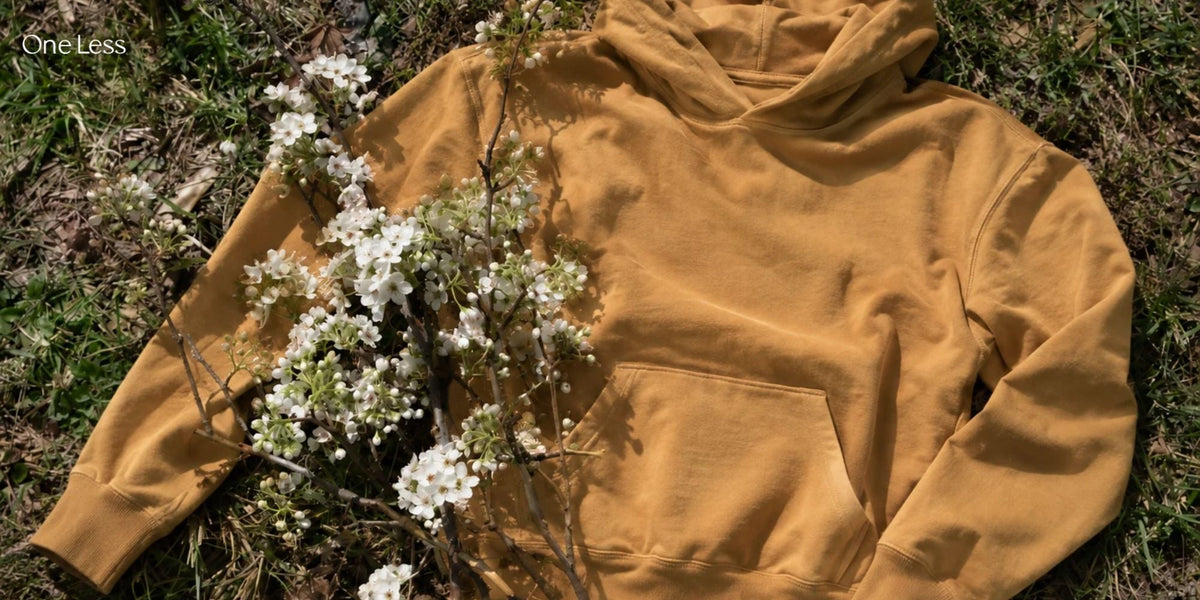
One Less Official focuses on clothing designed around organic and more conscious material choices, with an emphasis on everyday wear rather than disposable fashion.
Its approach includes materials such as organic cotton and other considered fabric choices, while product design focuses on creating clothing that can be worn as part of a practical wardrobe.
For shoppers exploring organic clothing brands in India, looking beyond the fabric name and understanding the brand's broader approach can help provide a more complete picture.
You can also explore our guide to the best Indian clothing brands for sustainable and heritage fashion for more brands to consider.
FAQs
What makes a clothing brand sustainable?
A sustainable clothing brand considers factors such as material sourcing, manufacturing practices, durability, waste, packaging, and supply-chain transparency. There is no single factor that determines whether a brand is sustainable.
What is the difference between organic and sustainable clothing?
Organic clothing generally refers to clothing made using organically produced fibres, while sustainable clothing is a broader term covering materials, production, durability, resource use, and other environmental and social considerations.
Which fabrics are considered sustainable?
There is no single universally "most sustainable" fabric. Organic cotton, linen, hemp, and certain responsibly produced regenerated fibres can have different advantages depending on how they are sourced, manufactured, used, and cared for.
What certifications should I look for when buying sustainable clothing?
Depending on the claim, shoppers may encounter certifications such as GOTS, OEKO-TEX® STANDARD 100, and FSC®. Each certification covers different aspects of materials, production, or product safety, so it is important to check the scope of the certification.
How can I identify organic clothing brands in India?
Check the brand's product composition, sourcing information, and relevant certifications. A reliable brand should provide specific information about the organic materials it uses rather than relying only on broad terms such as "natural" or "eco-friendly."
Is sustainable clothing more expensive?
Sustainable clothing can sometimes have a higher upfront price because of factors such as material sourcing, manufacturing, quality, and production volumes. However, the cost per wear can be more relevant when a garment is durable and used frequently.
How can I make my wardrobe more sustainable?
Start by buying fewer pieces that you genuinely need, choosing durable fabrics and construction, caring for clothes according to their instructions, repairing garments where practical, and researching sustainability claims before purchasing.




Leave a comment
This site is protected by hCaptcha and the hCaptcha Privacy Policy and Terms of Service apply.