

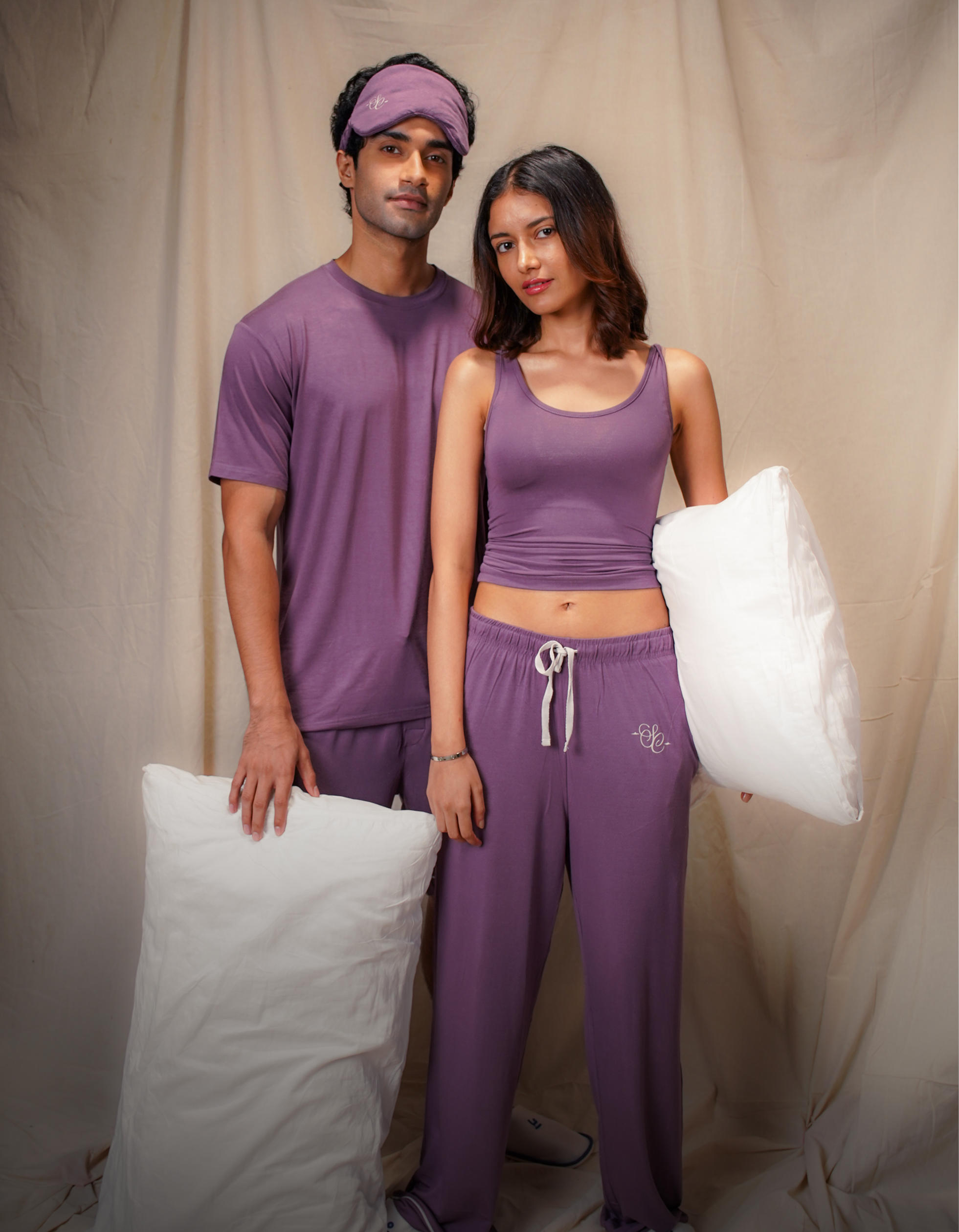
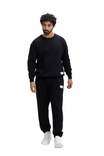
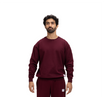
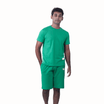
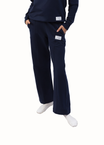
Hemp clothing spent decades being dismissed as scratchy and outdated, but it's now one of fashion's fastest-growing fabric categories, and at One Less, it's a fabric we welcomed into our Hemp-Bamboo range precisely because it delivers on sustainability with real numbers, not just a green-sounding label.
If you've noticed more hemp t-shirt and co-ords, and blends showing up recently, you're not imagining it. The global hemp clothing market grew from $6.16 billion in 2025 to $6.80 billion in 2026, and is projected to reach $13 billion by 2032. That's not a fringe fabric anymore, so what actually changed?
It's Not the Coarse Fabric It Used to Be
The biggest reason hemp got left behind for so long was texture, early hemp fabric was stiff and scratchy. That's no longer true. Recent advances in processing have made hemp noticeably softer, better-draping, and more colorfast than older versions, which is why it's shown up in categories that used to be cotton-only territory, from basic tees to more premium, performance-oriented pieces.
Hemp also has a built-in advantage here: it's hypoallergenic and gets softer the more it's washed, similar to linen, so unlike most fabrics, it actually improves with wear instead of wearing out.
How Much Water Does Hemp Actually Save?
Hemp's environmental case isn't a marketing add-on, the numbers back it up directly.
Hemp needs roughly 70% less water than conventional fibers to grow, and it's naturally pest-resistant while actively pulling nitrogen and carbon from the air and putting it back into the soil, part of why farmers who grow it often see healthier soil the following season, not depleted land.
At the end of its life, hemp is fully biodegradable and compostable, breaking down in just a few weeks, a sharp contrast to synthetic fabrics that can sit in landfills for decades.
Does Hemp Protect Against the Sun and Bacteria?
Hemp's benefits go beyond the growing process. The fabric's tightly woven, opaque structure gives it a natural ability to block UV rays, which is one reason it's increasingly used in outdoor and resort clothing. It's also naturally antibacterial and anti-fungal, genuinely useful for sensitive skin, not just a nice-sounding claim.

Why Bigger Brands Are Adopting Hemp Now
This isn't only indie eco-brands experimenting anymore. Established outdoor and lifestyle names are already producing hemp clothing at scale, driven by a search for resilient, low-impact fiber alternatives across supply chains. When bigger players commit shelf space to a fabric, that's usually a sign it's stopped being a trend and started being a category.
Hemp isn't popular because it's trendy to say the word "hemp." It's popular because the fabric finally caught up to what people actually want, something durable, low-impact to produce, and comfortable enough for daily wear, backed by genuine numbers rather than a green-sounding label. At One Less, our Hemp-Bamboo range exists for exactly that reason, a blend built for everyday wear, not just a sustainability talking point.
The Bottom Line
Hemp clothing didn't suddenly become good, it finally got the processing upgrade it needed to match credentials it already had: dramatically lower water use, naturally antibacterial and UV-protective properties, and full biodegradability. That combination is why it's having its moment now instead of staying a niche choice.
FAQs
Why is hemp clothing becoming popular now instead of years ago?
Modern processing has made hemp noticeably softer and better-draping, removing the main reason people avoided it in the past.
Is hemp fabric actually more sustainable than cotton?
Yes, hemp uses roughly 70% less water to grow than cotton and doesn't need added fertilizer or pesticides, while also improving soil health.
Does hemp clothing still feel rough or scratchy?
Not with modern processing, today's hemp fabric is noticeably softer than older versions, and it gets softer with every wash.
Is hemp fabric good for sensitive skin?
Yes, hemp is naturally antibacterial, anti-fungal, and hypoallergenic, making it a strong option for people with skin sensitivities.
Does hemp clothing protect against the sun?
Yes, hemp's tightly woven structure gives it natural UV-blocking properties, which is why it's often used in outdoor and resort wear.
Is hemp clothing biodegradable?
Yes, hemp is fully biodegradable and compostable, breaking down in a matter of weeks rather than sitting in landfills for years.
What's the difference between hemp and hemp-bamboo blends?
Hemp-bamboo blends combine hemp's durability and low environmental impact with bamboo's softness, for a fabric built for everyday comfort.



Leave a comment
This site is protected by hCaptcha and the hCaptcha Privacy Policy and Terms of Service apply.