


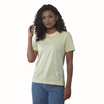
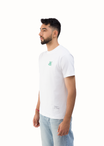
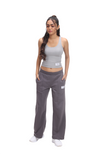
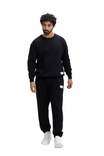
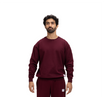
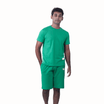
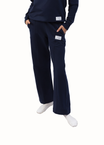
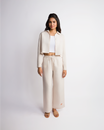

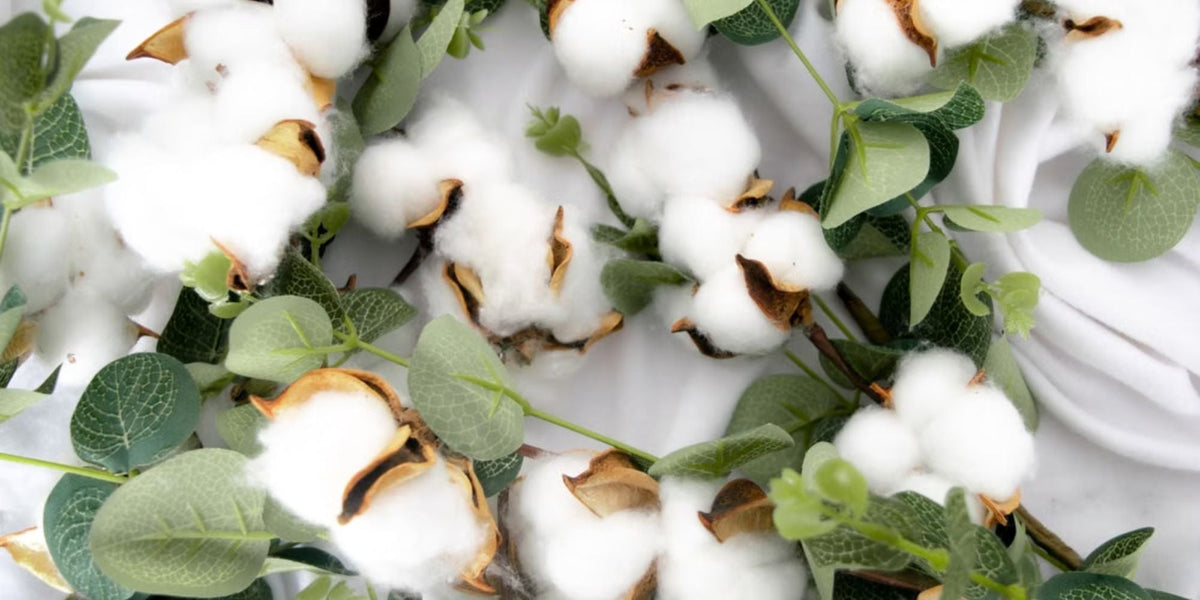
Organic clothing is clothing made from fibres grown without synthetic pesticides, synthetic fertilisers, or genetically modified seeds, and processed without the harsh chemicals used in conventional textile manufacturing. The term covers the whole life of the garment, not just the raw fibre: how the cotton or hemp was farmed, how it was spun and dyed, and how the workers who made it were treated. A t-shirt can only honestly call itself organic if every one of those stages holds up.
That last part is where most confusion starts. People assume "organic" means the fabric itself, full stop, the way an apple is either organic or it isn't. Clothing is more like a supply chain wearing a label. The fibre can be organic and the dyeing process can still be loaded with chemicals nobody checks for. That's the gap this guide is here to close.
How Organic Cotton Is Different From Regular Cotton
Conventional cotton has a nickname in the industry: the dirtiest crop on Earth. It's not an exaggeration. Cotton occupies roughly 2.5% of the world's farmland but consumes somewhere between 16% and 25% of all agricultural pesticides used globally, a wildly disproportionate share for one crop. Some of those chemicals are classified as hazardous by the WHO, and farmers working the fields bear the brunt of it. Studies out of major cotton-growing regions have found that a large share of farmers report pesticide poisoning symptoms within a given year.
Organic cotton skips all of that by design. No synthetic pesticides, no synthetic fertilisers, no GMO seed. Farmers rely on crop rotation, natural pest predators, and compost instead, methods that also happen to build healthier soil over time, which is a side benefit most shoppers never hear about. Soil that's rich in organic matter holds water better, which is part of why organic cotton studies consistently show significantly lower irrigation water use than conventional cotton, figures in the 80–90% range aren't unusual, though the exact number depends heavily on rainfall and region.
There's a trade-off, and any brand worth trusting will tell you about it upfront: organic cotton yields less per acre. Somewhere in the range of 10-20% less land-efficient than conventional cotton, according to lifecycle studies. That's part of why organic cotton costs more, you're not just paying for the "organic" word on a swing tag, you're paying for a crop that produces less fibre per hectare and demands more from the farmer.
What Does GOTS Certification Actually Mean
GOTS stands for Global Organic Textile Standard, and it's the certification that actually means something in this space, which matters, because plenty of labels don't.
Here's the distinction that trips people up: organic farming certification only covers the field. It stops the moment the raw cotton leaves the farm. GOTS picks up from there and follows the fibre through every single stage after - spinning, weaving, dyeing, finishing, packaging, labelling, right through to the finished garment on a hanger. No gaps, no exceptions. Every facility that touches the product along the way has to be independently audited and certified, not just the final factory.
There are two tiers. A product labelled "organic" under GOTS needs at least 95% certified organic fibre. "Made with organic" only needs 70%. Worth checking which one you're actually buying. The wording difference matters more than it looks like it does on a hangtag.
What GOTS actually restricts, chemically speaking: no chlorine bleach, no formaldehyde, no carcinogenic azo dyes, no heavy metal dyes, at any point in production. And unlike most eco-labels, GOTS bakes in binding social criteria too - fair wages, no child or forced labour, safe working conditions, the right to collective bargaining. It's one of the only major textile certifications where the social side isn't an afterthought bolted on for PR.
Compare that to OEKO-TEX Standard 100, which people often mix up with GOTS. OEKO-TEX tests the finished garment for harmful substances, it says nothing about how the fibre was grown or whether workers were paid fairly. Both certifications are legitimate. They're just answering different questions, and a garment can carry one without the other.
Benefits of Organic Clothing
Health.
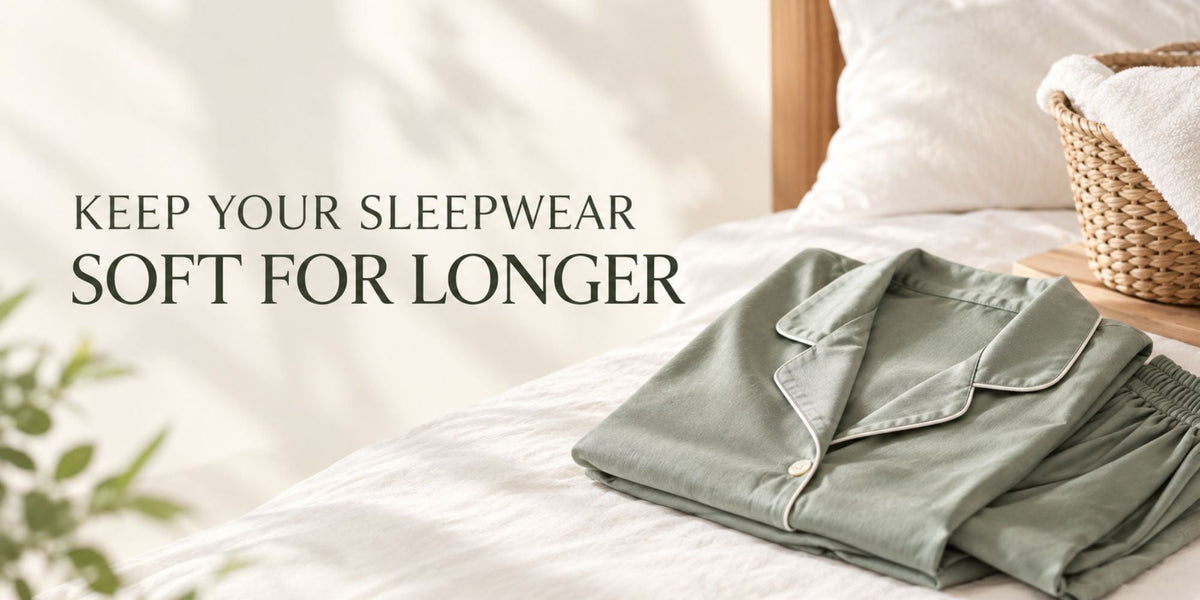
Conventional cotton processing can leave chemical residue in the finished fabric - trace amounts of the same pesticides, dyes, and finishing agents used earlier in production. For most people this is a minor irritation at worst. For anyone with sensitive skin, eczema, or young kids in the picture, it's a bigger deal. GOTS-certified fabric is processed without the worst offenders (azo dyes, formaldehyde finishes), which is why you'll see organic cotton recommended so often for babywear and sleepwear specifically, it's the categories where skin contact is longest and most direct.
Environment.
Lower pesticide load, generally lower water use, healthier soil from crop rotation instead of chemical-dependent monocropping. None of this makes organic cotton carbon-neutral or impact-free, growing and shipping fabric always costs something. But the gap between organic and conventional cotton on pesticide and water metrics is large enough that it's not a rounding error.
Durability.
This one surprises people. Organic cotton fibres tend to be processed more gently, fewer harsh chemical treatments means less fibre damage during manufacturing. In practice that often shows up as fabric that softens with wash instead of thinning out, and holds its shape longer before pilling sets in. It's not a universal law (weave, blend ratio, and finishing all matter more than "organic" alone), but it's a real, observable pattern.

How to Spot Greenwashed "Organic" Claims
Here's the honest version of this section: most "organic" and "eco-friendly" claims on clothing tags are unverifiable marketing, not certified fact. The word "organic" isn't legally protected the way it is for food in most markets, which means a brand can print it on a label with nothing behind it.
The fastest check takes about thirty seconds. Ask:
Is there a number attached?
"Made with organic cotton" tells you nothing. "80% GOTS-certified organic cotton" tells you something you can verify. If a claim doesn't include a percentage, a standard name, or a certification body, treat it as marketing copy and move on.
Is there a certificate number you can actually look up?
GOTS, OEKO-TEX, and similar bodies maintain public databases. A real certification comes with a scope certificate and, ideally, a transaction certificate tied to that specific batch of goods. A logo with no number behind it, or a number that returns nothing when you search it, is either fake or expired.
Who verified it - the brand, or someone independent?
If the only source for a sustainability claim is the brand's own website, it's not really a claim, it's an assertion. Third-party audit is the whole point of certification; self-graded homework doesn't count.
Does the price make sense?
A $12 "organic cotton" t-shirt manufactured overseas is a red flag on arithmetic alone. Certified organic fibre plus GOTS-compliant dyeing plus fair wages costs real money to produce. When the price doesn't reflect that, something upstream got skipped, usually the labour standard, sometimes the fibre content itself.
Watch for the "bamboo" trick specifically.
Most "bamboo fabric" on the market is actually bamboo viscose - rayon, made using a chemically intensive process involving carbon disulfide, a genuinely toxic solvent. It's not the eco-friendly miracle fibre the marketing implies. The exception is bamboo lyocell, made in a closed-loop process that recovers upward of 98% of the solvent used. If a product just says "bamboo" with no processing method named, ask which one it is, the two are barely related in terms of environmental impact.
Caring for Organic Clothing
Organic fabrics don't need special detergent or a different laundry routine, but a few habits genuinely extend their life:
- Wash cold, and wash less often than you think you need to. Most stains and odour lift fine at 30°C, and lower temperatures mean less fibre stress over hundreds of wash cycles.
- Skip the fabric softener. It coats natural fibres in a waxy residue that actually reduces breathability over time, the opposite of what you want from organic cotton or Tencel.
- Air dry when you can. Tumble drying is the single biggest contributor to fibre breakdown and shrinkage in natural-fibre garments.
- Turn prints inside out before washing. Protects graphic prints and any natural dye from friction fading.
If you're shopping fabric-specific care instructions, check the wash label first - hemp, Tencel, and cotton each have slightly different tolerances, and getting that detail right is the difference between a garment that lasts five years and one that doesn't survive its first winter.
Best Organic Fabrics Beyond Cotton
Cotton gets most of the attention because it's the fabric people already know, but it's not the only organic-friendly fibre, and depending on what you're making, it's not always the best one.
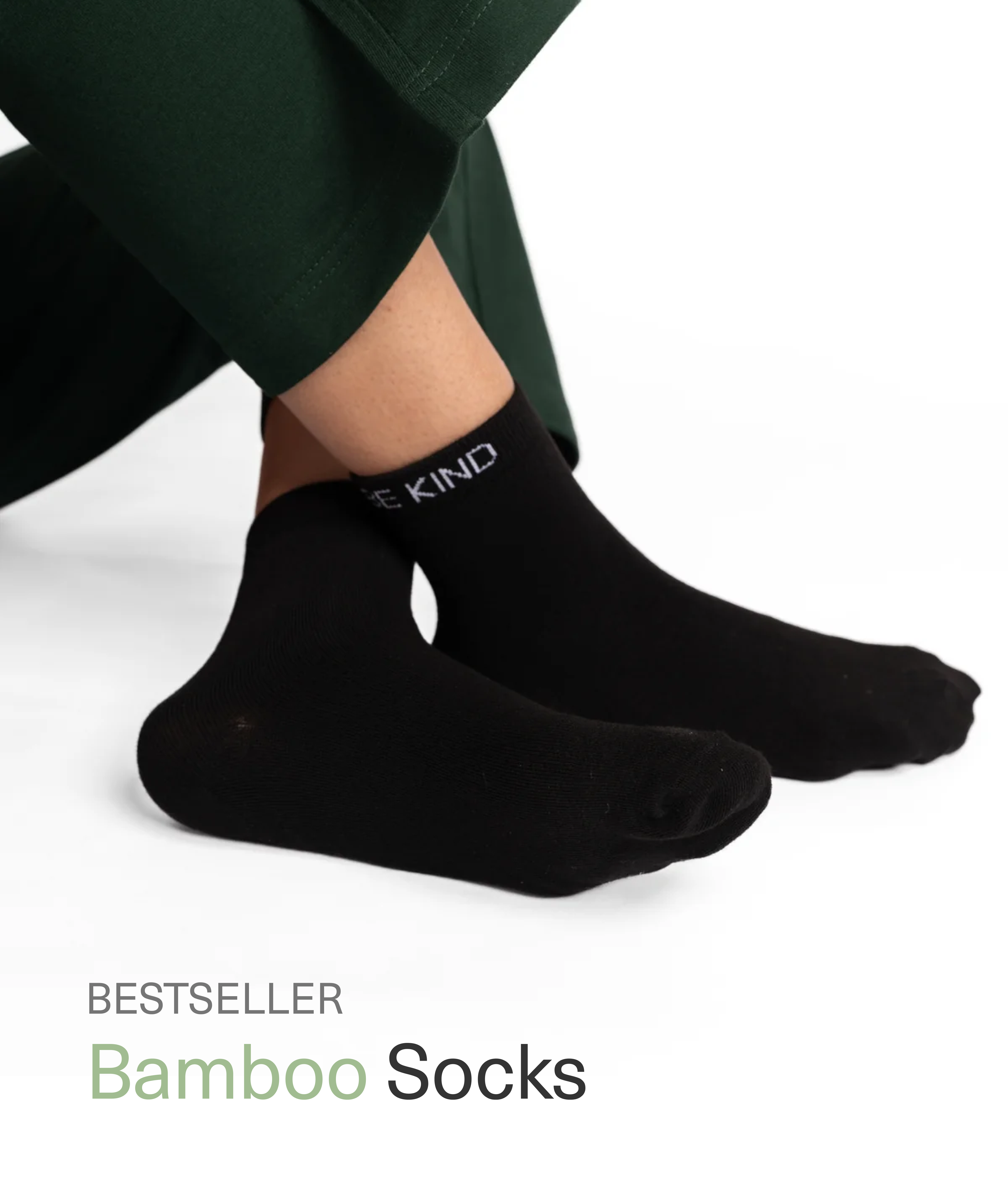
Bamboo (as lyocell). Fast-growing, minimal water, no pesticides needed to cultivate. The environmental story only holds up if it's processed as lyocell rather than standard viscose, see the greenwashing section above. Done right, it's naturally moisture-wicking and soft enough that it's become a go-to for socks and everyday basics.
Hemp. Genuinely one of the lowest-impact crops available for clothing. It needs roughly a third to a quarter of the water cotton does, resists pests without chemical help, and actually improves the soil it's grown in through its root system. It's also biodegradable and gets softer with every wash rather than wearing thin, which is why it holds up so well in heavier-use pieces like sweatpants and outerwear.
Tencel (lyocell). Made from eucalyptus wood pulp using a closed-loop process that recovers over 99% of the solvent used, one of the more genuinely transparent supply chains among regenerated fibres. It's smooth, drapes better than cotton, and breathes well, which is why it turns up so often in sleepwear and modal blends. Worth noting: Tencel is a branded name owned by the Austrian company Lenzing, so "Tencel" on a label is a more reliable signal than generic "lyocell," since it points to a specific, audited producer rather than an unnamed mill.
None of these fabrics is universally "the best" - hemp wins on water and durability, Tencel wins on drape and softness, organic cotton wins on familiarity and breathability. The right one depends on what you're making and how it'll get used, which is part of why a lot of organic-forward brands work across two or three fibres instead of betting everything on cotton alone.
FAQ
Is organic clothing worth it?
If you factor in cost-per-wear rather than sticker price, usually yes. Organic garments cost more upfront but tend to hold shape and colour longer, which narrows or closes the gap over a few years of wear. The health argument is stronger for babywear, sleepwear, and anything worn against sensitive skin for long stretches.
Is organic clothing 100% chemical-free?
No, and be skeptical of any brand that claims it is. GOTS and similar standards restrict the worst chemicals - azo dyes, formaldehyde, chlorine bleach, but some processing (dyeing, finishing) still involves controlled, regulated chemical use. "Organic" means heavily restricted and independently audited, not chemical-free.
How is organic cotton grown?
Without synthetic pesticides, synthetic fertilisers, or GMO seed. Farmers manage pests through crop rotation, companion planting, and natural predators instead, and rely on compost rather than chemical fertiliser for soil nutrition. It's certified separately from the textile processing that follows.
Is Tencel organic?
Not in the same sense as organic cotton, Tencel is made from wood pulp, not a food-crop fibre grown to organic-farming standards. What it does have is a closed-loop manufacturing process and, when FSC- or PEFC-certified, verified responsible forestry sourcing. Different certification, same underlying idea: verified, not just claimed.
What's the difference between GOTS and OEKO-TEX?
GOTS covers the entire supply chain - farming, processing, and labour standards. OEKO-TEX tests only the finished product for harmful substances and says nothing about how it was grown or who made it. A garment can carry either certification without the other; look for GOTS if the fibre origin and labour conditions matter to you specifically.
Does organic clothing shrink more than regular clothing?
Not inherently; shrinkage comes down to weave, fibre blend, and wash care more than organic status. Natural fibres (organic or not) do shrink more than synthetic blends, so cold-water washing and air drying matter more than usual.
Is "sustainable" the same as "organic"?
No, and treating them as interchangeable is one of the more common ways shoppers get misled. "Sustainable" is an unregulated umbrella term that can mean almost anything a brand wants it to. "Organic" refers to a specific, certifiable farming and (with GOTS) processing standard. A garment can be sustainable without being organic - recycled polyester, for instance, and vice versa.
Bottom Line
Organic clothing isn't a single guarantee stamped on a hangtag; it's a claim that only holds up when the fibre, the processing, and the certification all line up. GOTS is the standard that actually checks all three. Once you know what to look for, a real cert number, a specific percentage, a named third-party auditor, separating genuine organic fashion from marketing dressed up as one gets a lot faster.
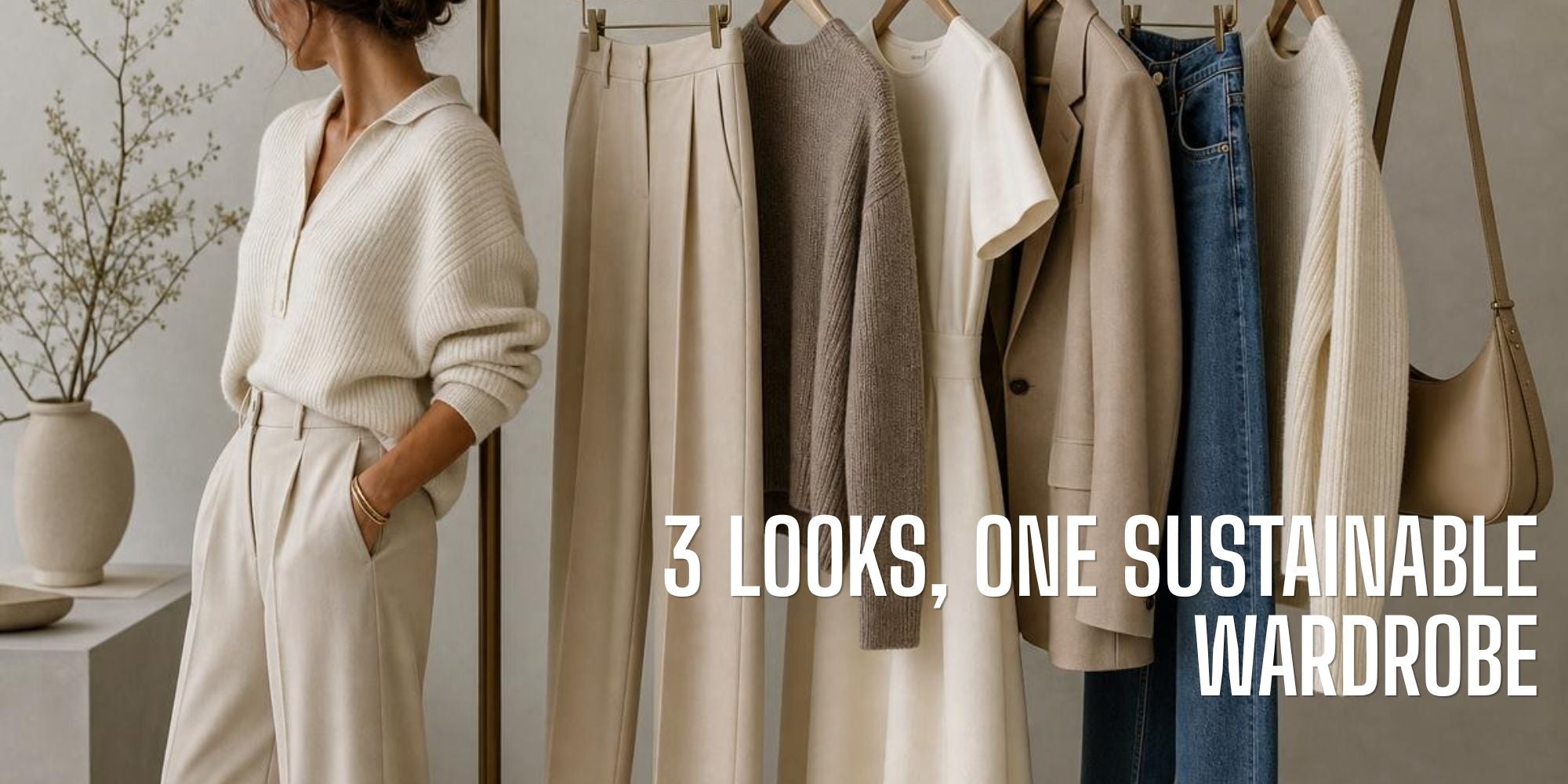
If you'd rather skip the label-reading and just shop pieces where the certification is already sorted, One Less makes its everyday essentials from GOTS-certified organic cotton, Tencel, and hemp-bamboo, all sourced and produced in India see the full range here.


Leave a comment
This site is protected by hCaptcha and the hCaptcha Privacy Policy and Terms of Service apply.