



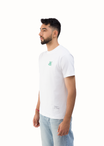
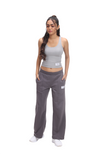


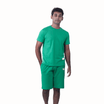



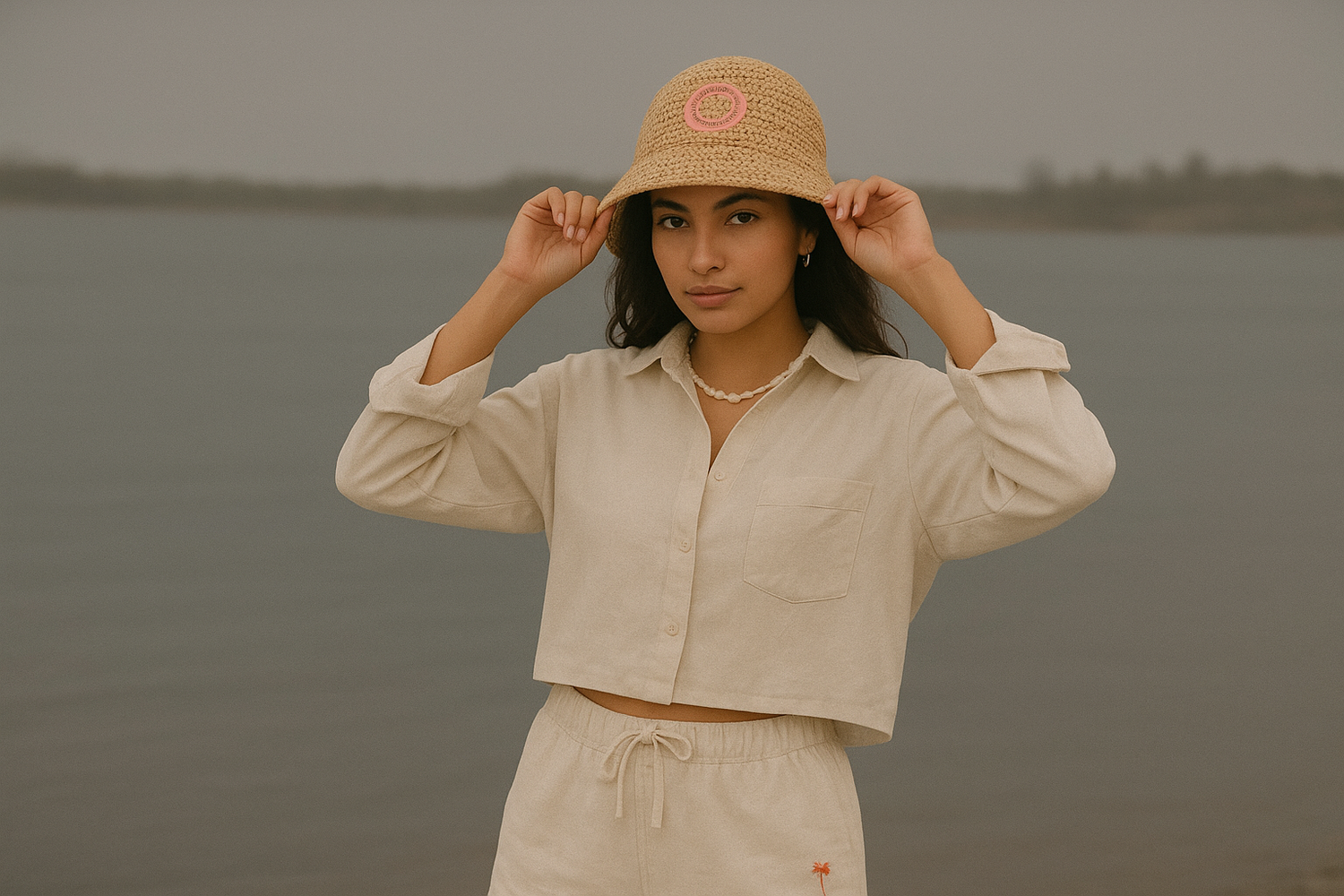
Pick up a shirt these days, and chances are you’ll see a tag that says organic cotton or sustainably made. Sounds good, right? But then you flip the price tag and pause. Why does this cost so much more than the regular one?
That’s the real debate with organic clothing. Some people call it a smart investment, others think it’s just clever branding. The truth is, it’s somewhere in between.
When we talk about organic clothing, it’s not just about the cotton or the weave. It’s about cleaner farming, safer dyes, and the workers who make the clothes. All of these add up to the true cost and the real value of what you wear.
What Exactly Is Organic Clothing?

At its core, organic clothing is made from crops like cotton, hemp, bamboo, or linen that are grown without chemical overload. No toxic sprays, no genetically modified seeds, no shortcuts that damage the soil. Farmers use slower, cleaner methods that keep the land healthy for the long run.
But it isn’t only about the crop. The whole process uses safer dyes, less water, and better conditions for the people making the clothes. The goal is fabric that feels good to wear and doesn’t leave a trail of harm behind.
If you want to check whether something is genuinely organic, look for stamps like GOTS (Global Organic Textile Standard) or Fair Trade. Those labels matter because “organic” on its own can just be marketing.
Why Does Organic Clothing Cost More?

This is where most shoppers hesitate. A t-shirt is a t-shirt, right? Not exactly. Here’s why organic often comes with a higher tag:
- Farming is slower. Without chemical fertilizers and pesticides, yields are lower and crops need more care. That costs money.
- Safer dyes and finishing. Eco-friendly dyes and natural treatments are more expensive than quick chemical fixes.
- Fairer wages. Many organic brands pay workers better and invest in safer working conditions.
- Quality over quantity. Organic fabrics tend to be stronger, softer, and last longer, so you buy less over time.
So yes, the price is higher at the counter, but the way it’s made is very different from fast fashion.
Benefits of Choosing Organic Clothing
Gentler on Skin
Organic fabrics skip the harsh chemicals, making them softer and less likely to irritate sensitive skin.
Better for the Environment
Organic farming uses less water, avoids polluting sprays, and helps keep soil fertile for future crops.
Fairer for People
Choosing organic often supports fairer pay and safer workplaces for farmers and factory workers.
Organic vs Conventional Clothing
On the surface, the price gap feels big. But think about the cost per wear. A cheap fast-fashion tee might fade, shrink, or lose shape after a handful of washes. An organic tee often lasts years without falling apart.
That changes the math. Spending more up front can save money if you don’t have to keep replacing things. Plus, you avoid the hidden cost of pollution and waste tied to fast fashion.
How to Shop Smart for Organic Clothing

You don’t need to swap your whole wardrobe overnight. A few simple steps help:
- Check for certifications. GOTS, OEKO-TEX, or Fair Trade are good indicators.
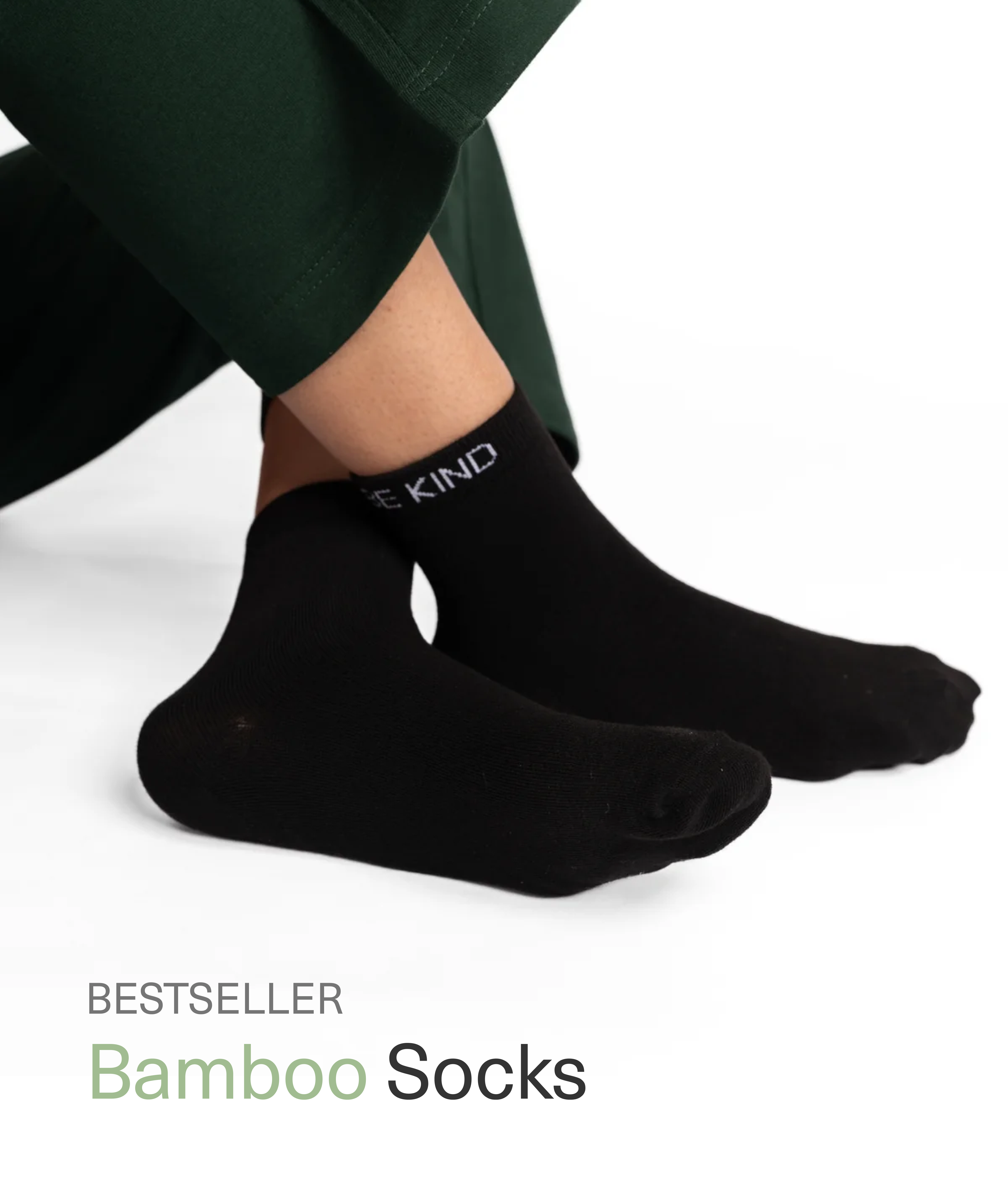
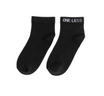
- Start small. Basics like t-shirts, socks, or underwear are easy entry points.
- Mix and match. Invest in timeless organic staples you can wear often, then combine them with the rest of your wardrobe.
Is It Worth the Price?
So, is organic clothing worth it? If you look only at the price tag, it seems expensive. But when you consider the bigger picture, longer-lasting fabrics, healthier farming, safer dyes, and fairer wages, it starts to make sense.
Organic fashion isn’t about chasing trends. It’s about choosing clothes that last and do less harm along the way. For smart shoppers who care about quality and values, the investment pays off.
Conclusion
Every purchase sends a signal. Choosing organic clothing may cost more upfront, but it supports better farming, fairer work, and cleaner fashion overall. Even starting small, one tee, one pair of jeans, makes a difference.
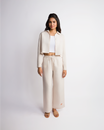
At One Less, we believe fashion should be simple, sustainable, and built to last. Our collections are made with certified organic fabrics, designed to feel good today and stand the test of time.
For those wondering if organic clothing is worth the price: yes, when you see it as an investment in clothes that last and a planet that needs care, the value is clear. And with brands like One Less, making that choice is easier than ever.


Leave a comment
This site is protected by hCaptcha and the hCaptcha Privacy Policy and Terms of Service apply.