



Socks. Of all the things to be intentional about, socks might sound like the last place to start. But here's the thing, you wear them every single day. They're the first thing on your body in the morning and the last thing off at night. And most people have never once questioned what they're actually made of.
That's changing. Quietly, steadily, bamboo socks have become one of the most talked-about upgrades in everyday clothing, for good reason. Once you wear a pair, going back to regular cotton or synthetic socks genuinely feels like a downgrade.
Here's what makes them different, why both bamboo socks for women and bamboo socks for men are gaining ground fast, and why it's not just about comfort.
What Are Bamboo Socks, Actually?
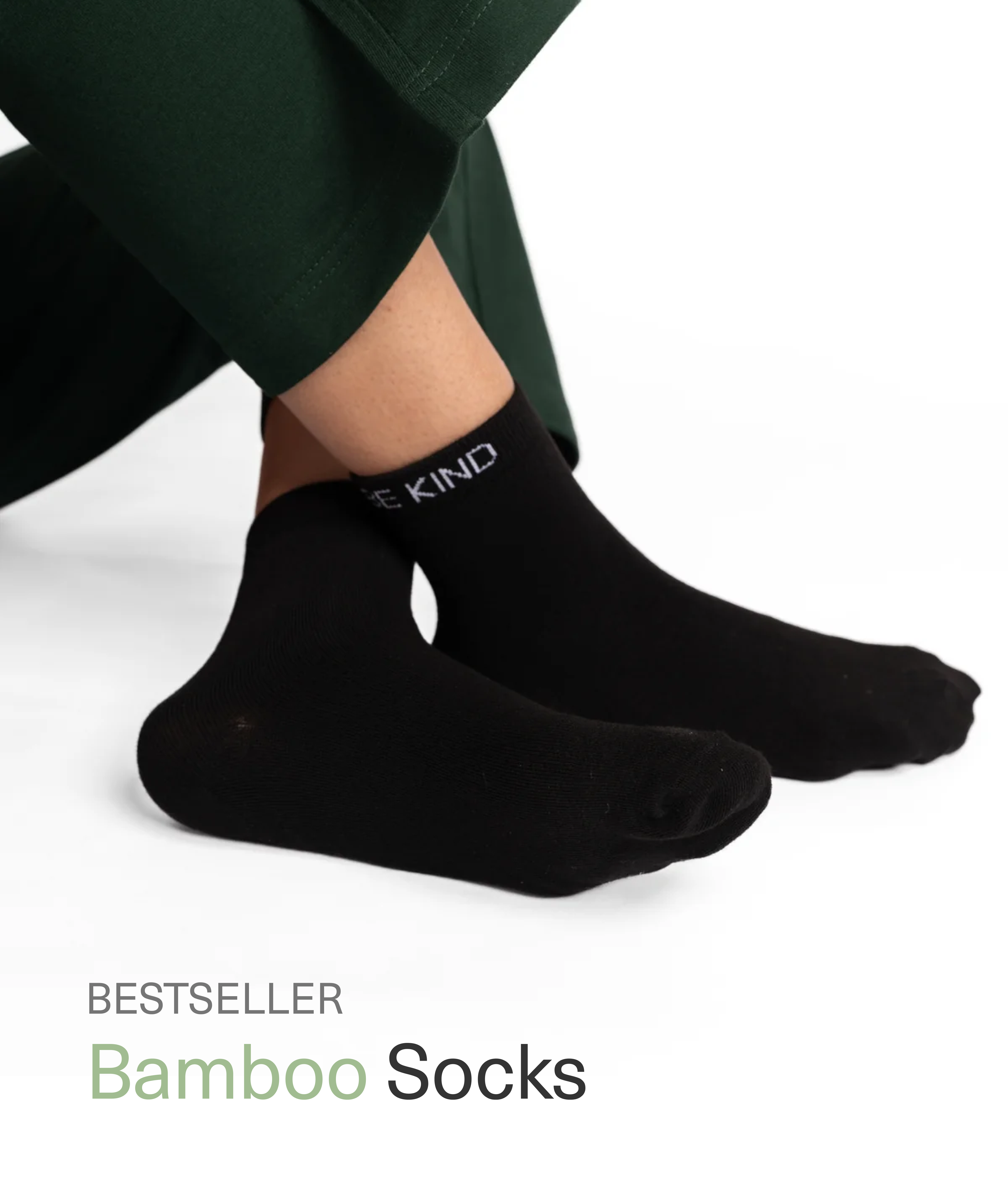
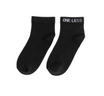
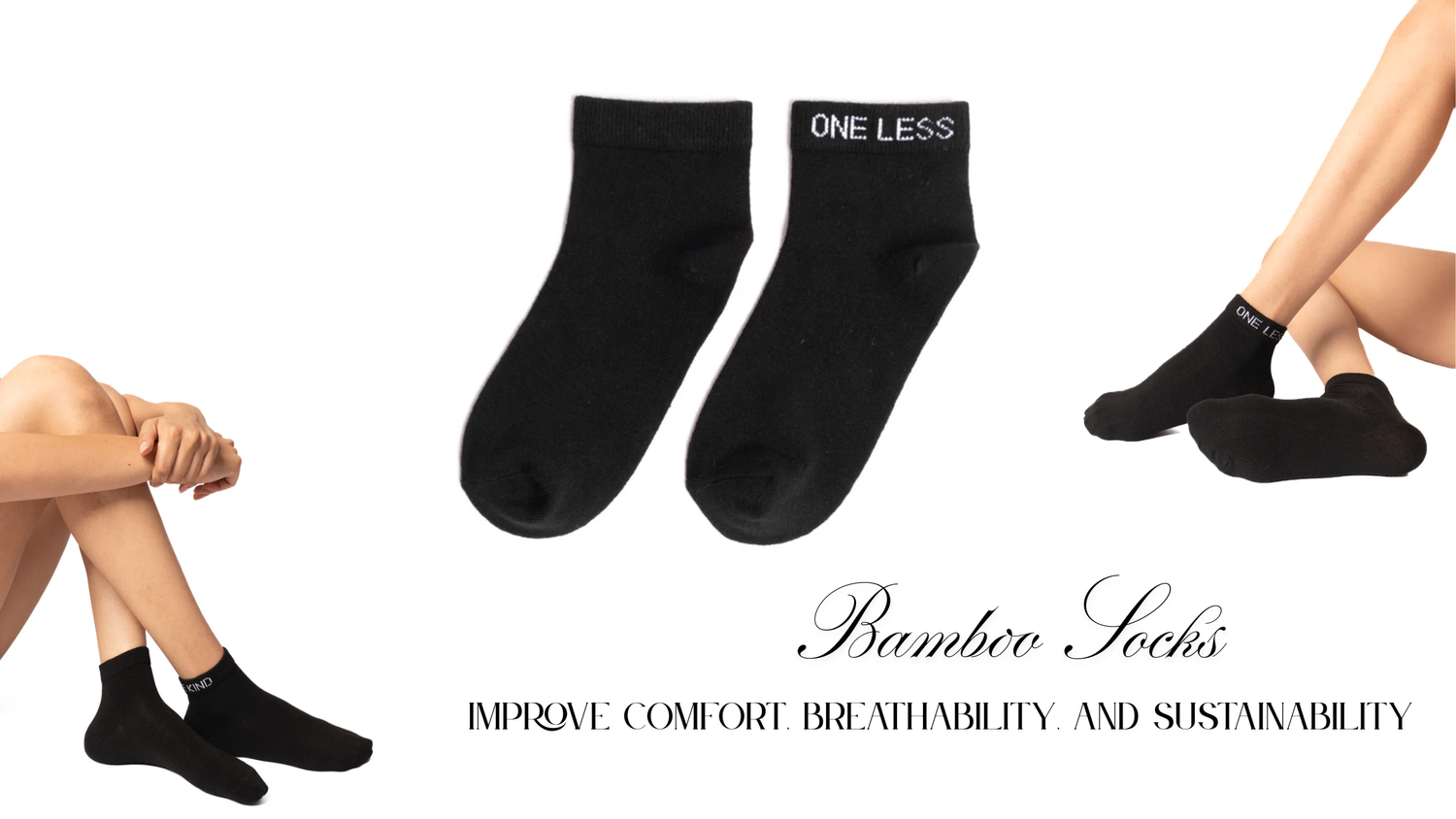
Bamboo socks are made from bamboo viscose, a soft, breathable fibre derived from the bamboo plant. The bamboo is processed into a pulp, then spun into yarn and woven into fabric. The result is a material that's naturally soft, moisture-wicking, temperature-regulating, and biodegradable.
Bamboo is one of the fastest-growing plants on the planet. It doesn't need pesticides, requires significantly less water than conventional cotton, and regenerates from its own roots, no replanting needed. That makes it one of the more genuinely sustainable raw materials in clothing today.
Most bamboo socks on the market are a bamboo-blend, typically combined with a small percentage of elastane or nylon for stretch and shape retention. A higher bamboo content usually means a softer feel and better moisture management.
Look for bamboo socks with at least 70–80% bamboo content for the best combination of softness, breathability, and durability.
5 Ways Bamboo Socks Are Different From Regular Socks
Most people assume socks are socks. They're not. Here's what actually changes when you switch to bamboo.

1. They're Noticeably Softer
Bamboo fibre has a naturally smooth, round surface, there are no rough edges or barbs the way some cotton fibres have. The result is a fabric that feels genuinely silky against your skin, not just soft in a marketing-language way.
This matters most for people who spend long hours on their feet, wear socks all day at work, or have sensitive skin that gets irritated by rough textures. The difference is noticeable from the first wear.
2. They Breathe - Even When You're Active
Bamboo fabric has a naturally porous, micro-gap structure that allows air to circulate. This means your feet stay cooler in warm weather and warmer in cooler temperatures, bamboo is genuinely temperature-regulating, not just lightweight.
For people who struggle with hot, sweaty feet or work in environments where their feet don't get much airflow, this is the single biggest practical difference bamboo socks make.
3. They Absorb Moisture and Dry Quickly
Bamboo fibre is naturally moisture-wicking, it pulls sweat away from the skin and disperses it across a larger surface area so it evaporates faster. Your feet stay drier throughout the day, which directly reduces irritation, blisters, and odour.
Regular cotton socks absorb moisture but hold onto it. Synthetic socks don't absorb well at all and can feel clammy. Bamboo sits in a noticeably better middle ground, it absorbs efficiently and releases it quickly.
4. They're Naturally Antibacterial
This one surprises people. Bamboo contains a natural bio-agent called bamboo kun, it has inherent antibacterial properties that resist the bacteria that cause odour. This isn't a chemical finish that washes out; it's a property of the fibre itself.
What this means practically bamboo socks stay fresher for longer than regular socks, even after a full day of wear. If odour has ever been a concern, bamboo makes a real difference.
5. They're Gentler on the Planet
Bamboo grows without pesticides, needs less water than cotton, and doesn't require replanting after harvest. When bamboo clothing is made responsibly, with low-impact processing and non-toxic dyes, the overall environmental footprint is significantly lower than conventional cotton or synthetic alternatives.
And because bamboo is a natural fibre, it's biodegradable at end of life, unlike polyester or nylon socks, which sit in landfill essentially forever.
Bamboo Socks for Women vs Bamboo Socks for Men - Is There a Difference?
Beyond fit and sizing, the core benefits of bamboo are the same regardless of who's wearing them. But there are a few practical differences worth knowing.
Bamboo Socks for Women
Bamboo socks for women typically come in a wider range of lengths, ankle, no-show, crew, and knee-high and are often cut with a narrower heel and toe. The softness and breathability of bamboo is especially appreciated in warmer months when wearing flats, trainers, or boots for long stretches.
For women who wear heels or pointed shoes that put pressure on specific parts of the foot, the natural softness of bamboo fibre reduces friction and helps prevent blisters significantly better than standard cotton socks.
Bamboo Socks for Men
Bamboo socks for men tend to be heavier weight and are often reinforced at the heel and toe for durability under higher daily use. The antibacterial and moisture-wicking properties are particularly valued by men who wear closed shoes or boots for long working hours.
For men who are on their feet all day, whether on a construction site, in an office, or travelling, the temperature-regulating quality of bamboo means significantly less foot fatigue and discomfort by end of day compared to regular cotton or synthetic socks.
Beyond Socks - How Bamboo Works Across Your Wardrobe
Once people discover bamboo through socks, they often start exploring what else the fabric can do. And the answer is quite a lot.

- Bamboo boxer shorts: The same breathability and softness that makes bamboo great for socks makes it exceptional for underwear. Bamboo boxer shorts stay cooler, reduce chafing, and feel noticeably lighter than cotton alternatives, especially in warmer climates or during physical activity.
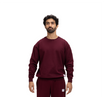
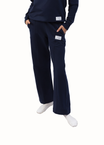
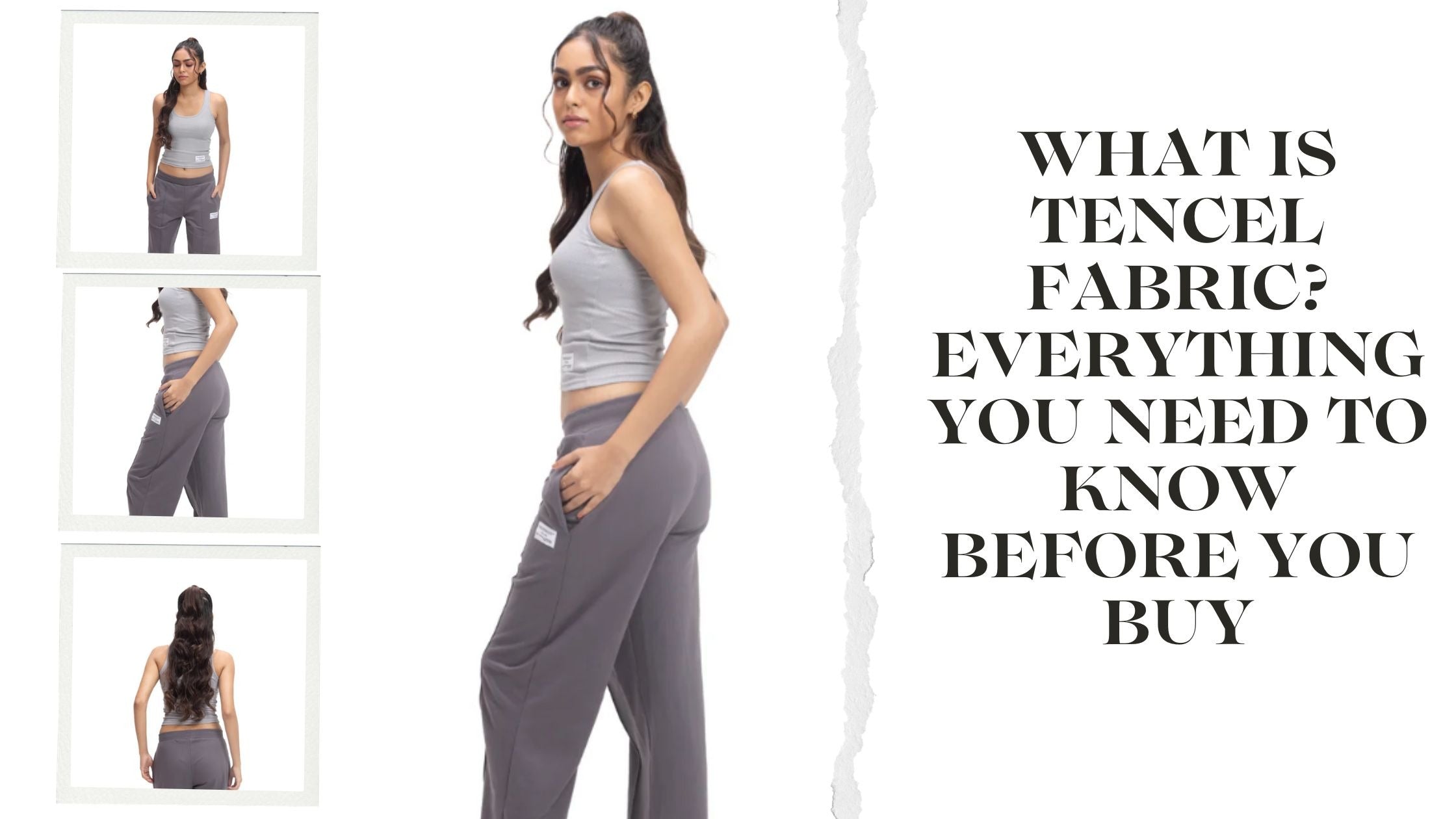
- Bamboo pants: Bamboo pants offer a fluid drape and natural stretch that synthetic fabrics try to replicate but rarely match. They're breathable enough for summer and insulating enough for cooler days, making them a genuinely versatile everyday option.
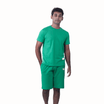
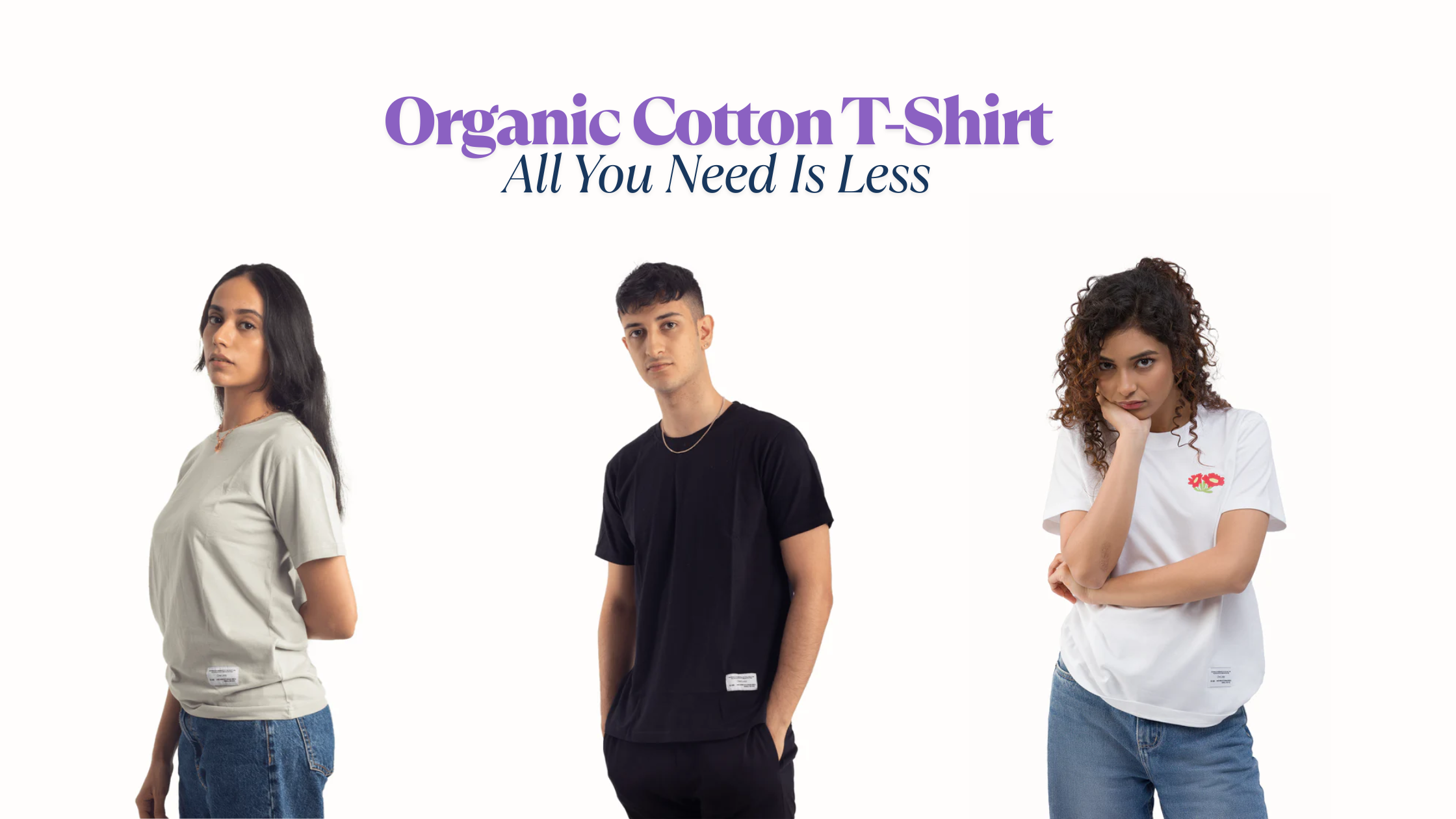
- Bamboo t-shirts and tops: The moisture-wicking and antibacterial properties that work in socks work just as well in a t-shirt or tank top, great for travel, workouts, or just everyday wear in a warm climate.
- Bamboo sleepwear: Bamboo's temperature-regulating quality makes it one of the best fabrics for sleep, you stay comfortable through temperature changes rather than waking up too hot or too cold.
The common thread across all of these? Bamboo performs better in the things that matter for daily comfort, softness, breathability, moisture management, and longevity, without needing synthetic materials to get there.
How to Care For Your Bamboo Socks (So They Last)
Bamboo is a durable fibre, but like all natural fabrics, it responds best to a little care. The good news: it's not complicated.
- Wash in cold or warm water not hot: High heat can break down bamboo fibres over time and cause shrinkage. Cold or 30°C washes are ideal.
- Skip the tumble dryer when you can: Air drying preserves the shape and softness of bamboo fabric significantly better than machine drying. If you do use a dryer, keep it on a low heat setting.
- Avoid fabric softeners: This sounds counterintuitive, but fabric softeners coat bamboo fibres and actually reduce their natural softness and moisture-wicking ability over time. Skip bamboo stays soft on its own.
- Turn inside out before washing: Particularly for bamboo socks with prints or ribbing, washing inside out reduces surface wear and helps them hold their appearance longer.
Treat bamboo like you'd treat a quality natural fabric, gentle washes, air dry when possible. That's genuinely all it needs to last well.
Bamboo vs Cotton Socks - A Quick Honest Comparison
- Softness: Bamboo is noticeably softer. Cotton can feel rough or scratchy, especially cheaper varieties.
- Breathability: Bamboo breathes better and regulates temperature. Cotton breathes but doesn't regulate.
- Moisture management: Bamboo wicks and releases moisture faster. Cotton absorbs but holds onto dampness.
- Odour resistance: Bamboo's natural antibacterial properties keep odour at bay. Cotton has no such property.
- Sustainability: Bamboo needs less water, no pesticides, and regrows naturally. Cotton, especially conventional cotton, is resource-intensive.
- Durability: Both last well with proper care. Bamboo maintains softness and shape better over repeated washes.
-
Price: Bamboo socks cost slightly more than basic cotton socks. But they outlast cheap cotton and perform significantly better, the cost-per-wear is comparable or better.
Small Choice. Real Difference.
Socks are small. But they're also daily. And when something you wear every single day is this much more comfortable, this much more breathable, and this much better for the planet, the switch is genuinely worth making.
Whether you're picking up bamboo socks for women to pair with your everyday trainers, bamboo socks for men to get through a long day on your feet, or exploring bamboo further into bamboo boxer shorts and bamboo pants, the difference shows up in the small moments. The end of a long day when your feet don't ache. The morning when you reach for the pair that just feels better.
At One Less, our bamboo socks are made from high-quality bamboo fibre with no harmful dyes, because even the smallest piece of your wardrobe deserves to be made right.
1 purchase = 1 tree planted. Every time.
Shop bamboo socks → and feel the difference for yourself.
Frequently Asked Questions
Q1. Are bamboo socks really better than cotton socks?
For most people, yes noticeably so. Bamboo is softer, more breathable, naturally antibacterial, and better at managing moisture than regular cotton. The difference is most obvious after a long day of wear.
Q2. Do bamboo socks shrink in the wash?
They can shrink slightly if washed in hot water. Washing on a cold or warm cycle and air drying keeps them in shape. Avoid high-heat tumble drying for best results.
Q3. Are bamboo socks good for sweaty feet?
They're one of the best options available. Bamboo's moisture-wicking properties pull sweat away from the skin quickly, and its natural antibacterial quality resists the bacteria that cause odour. Significantly better than cotton or synthetic socks for this.
Q4. Can bamboo socks be worn for sports or workouts?
Absolutely. The breathability, moisture management, and softness of bamboo make it well-suited for exercise. The key is choosing a bamboo sock with good arch support and heel reinforcement if you're doing high-impact activity.
Q5. Are bamboo boxer shorts and bamboo pants worth it too?
Yes, the same properties that make bamboo great for socks apply across all bamboo clothing. Bamboo boxer shorts are especially popular for their softness and breathability, and bamboo pants offer a natural drape and comfort that synthetic fabrics can't replicate.
Q6. How long do bamboo socks last?
With proper care, cold wash, air dry, no fabric softener, bamboo socks hold up very well. Most people find they last at least as long as quality cotton socks, while maintaining their softness much better over time.

Leave a comment
This site is protected by hCaptcha and the hCaptcha Privacy Policy and Terms of Service apply.