

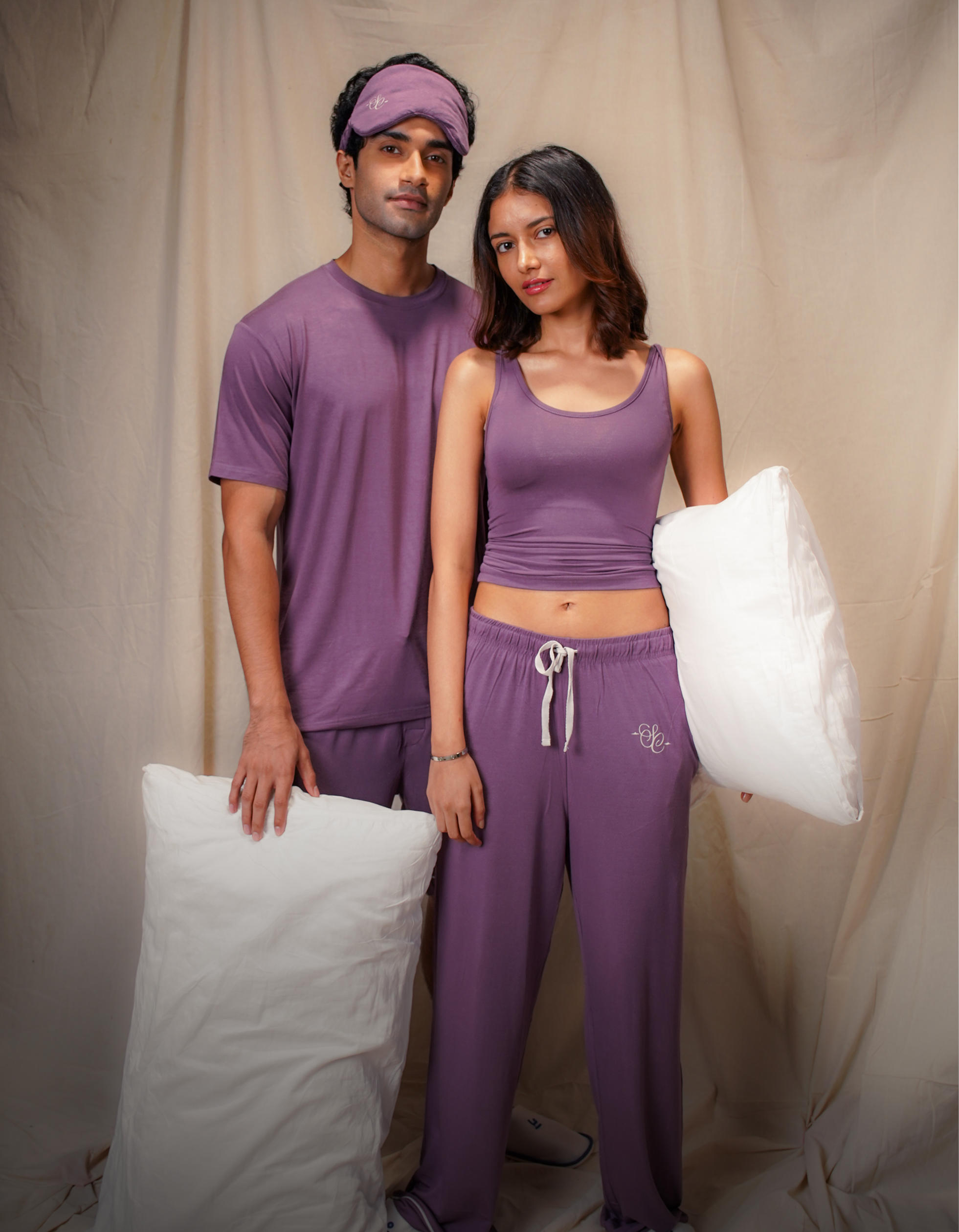
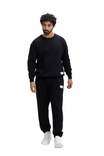
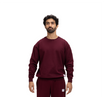
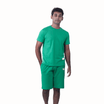
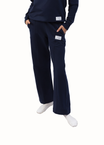

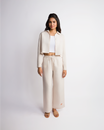

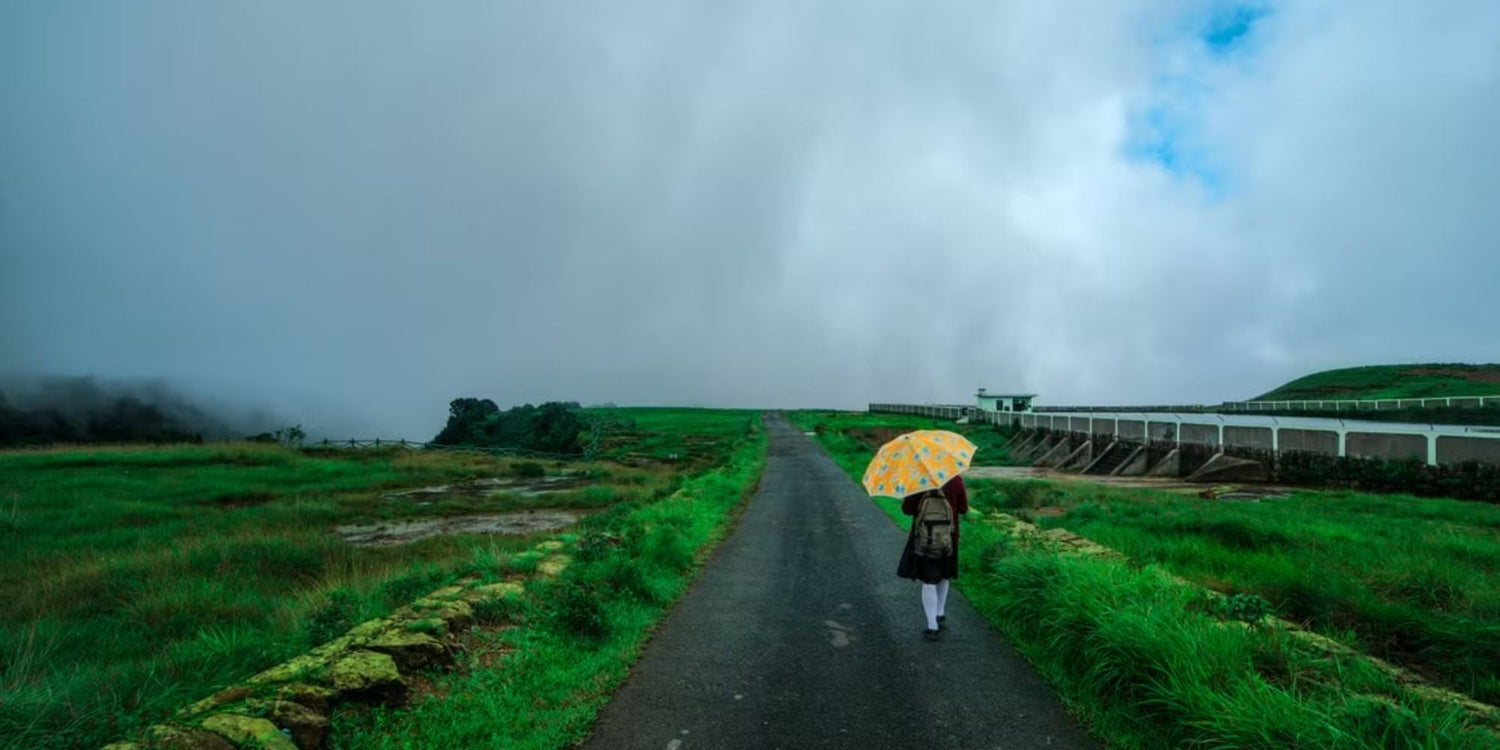
The best fabrics for Indian summer and monsoon are organic cotton, hemp, bamboo, and linen, natural fibres that breathe in the heat and dry fast in humidity, unlike synthetic blends that trap sweat and moisture. At Oneless, every piece is designed around exactly this - GOTS-certified natural fabrics built to handle India's toughest weather months. Here's what to wear and why, season by season.
Why Fabric Choice Matters More in Summer & Monsoon
Indian summers push temperatures past 40°C in many regions, while the monsoon brings humidity levels that make synthetic fabrics feel unbearable. The wrong fabric doesn't just feel uncomfortable; it traps heat, holds moisture, and can cause skin irritation over long wear. Natural, breathable fibres solve both problems at once.
Summer Fabrics That Actually Beat the Heat
- Organic Cotton: The most breathable everyday fabric - soft, lightweight, and grown without synthetic pesticides. It absorbs sweat instead of trapping it against skin.
- Hemp: Naturally cooling and odor-resistant, hemp works especially well in loose, relaxed fits where airflow matters most.
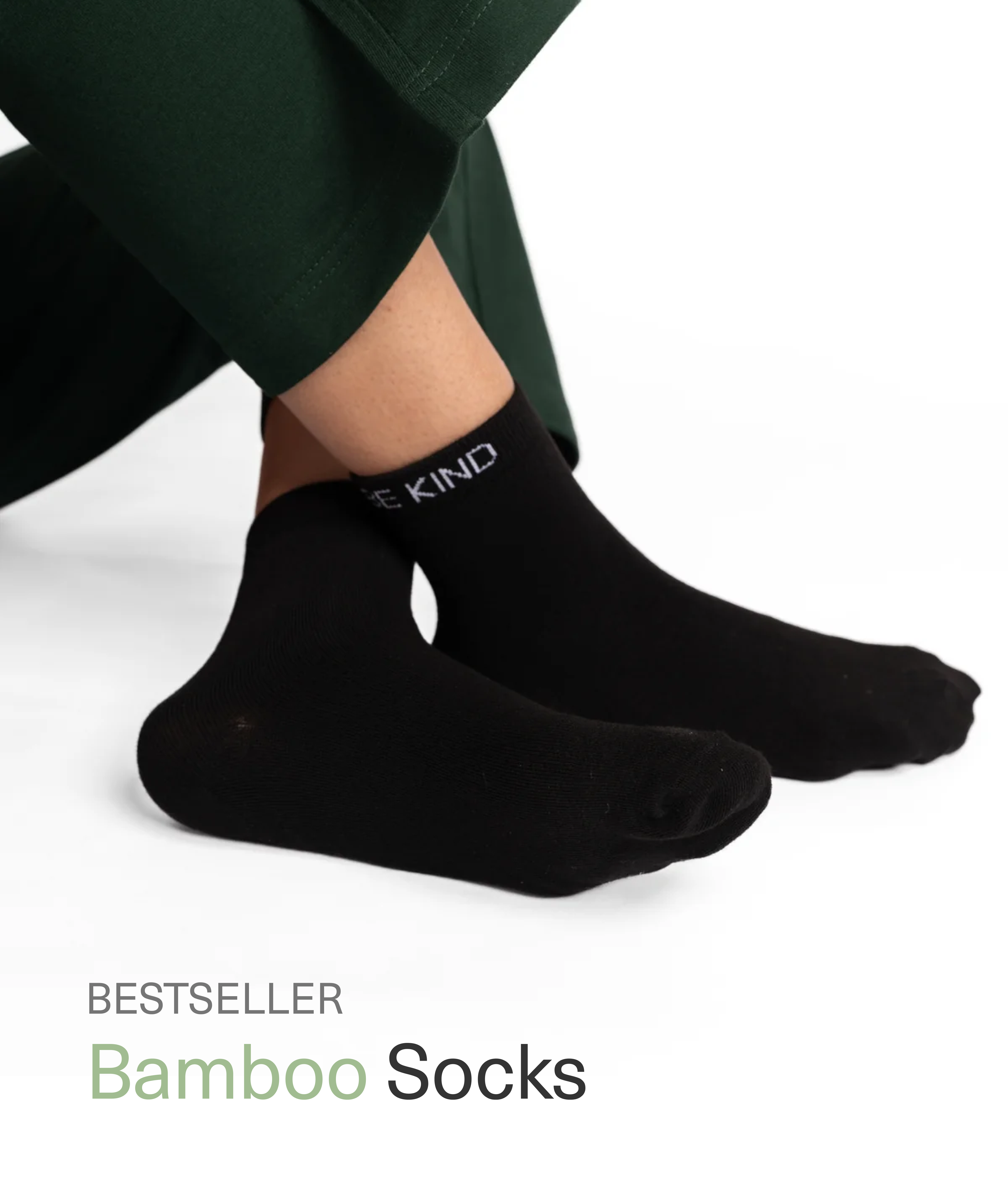
- Bamboo: One of the best moisture-wicking fabrics available. Bamboo pulls sweat away from the body fast, making it ideal for peak summer afternoons.
- Linen: Loosely woven and highly breathable, though it wrinkles easily, best for relaxed, low-maintenance summer fits.
- Tencel (Lyocell): Silky and lightweight, Tencel regulates temperature well and feels cool against skin, making it a strong choice for both daywear and sleepwear.
- Hemp-Bamboo Blends: Combines hemp's cooling properties with bamboo's moisture-wicking strength, a fabric built specifically for extreme heat.
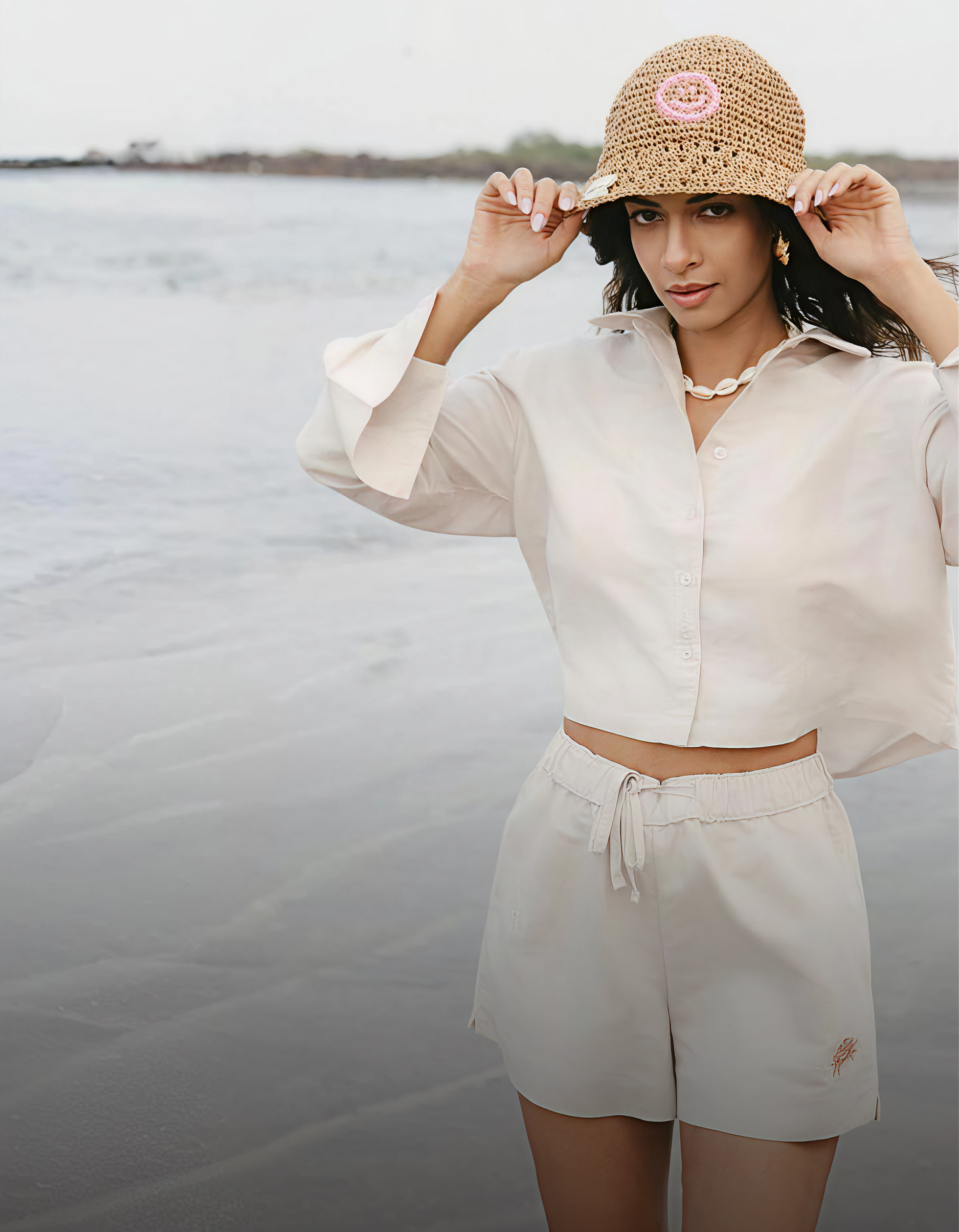
- Light Cotton Blends: Thinner cotton weaves used in tees and co-ord sets keep airflow high without sacrificing structure.
Monsoon-Ready Fabric Picks
 Monsoon needs a different approach: fabrics that dry quickly, resist odor from trapped moisture, and don't cling uncomfortably.
Quick-Dry Organic Cotton: Lighter cotton weaves dry faster after getting caught in rain, reducing the musty smell that heavier fabrics hold onto.
Bamboo (Again, for a Different Reason): Bamboo's natural antibacterial properties help resist the odour build-up that's common with damp clothing in humid weather.
Hemp Blends: Hemp resists mildew better than most natural fibres, making it a smart pick for monsoon storage and wear.
Tencel Sleepwear: Humidity makes synthetic sleepwear feel sticky. Tencel's moisture management keeps sleepwear comfortable even on the muggiest nights.
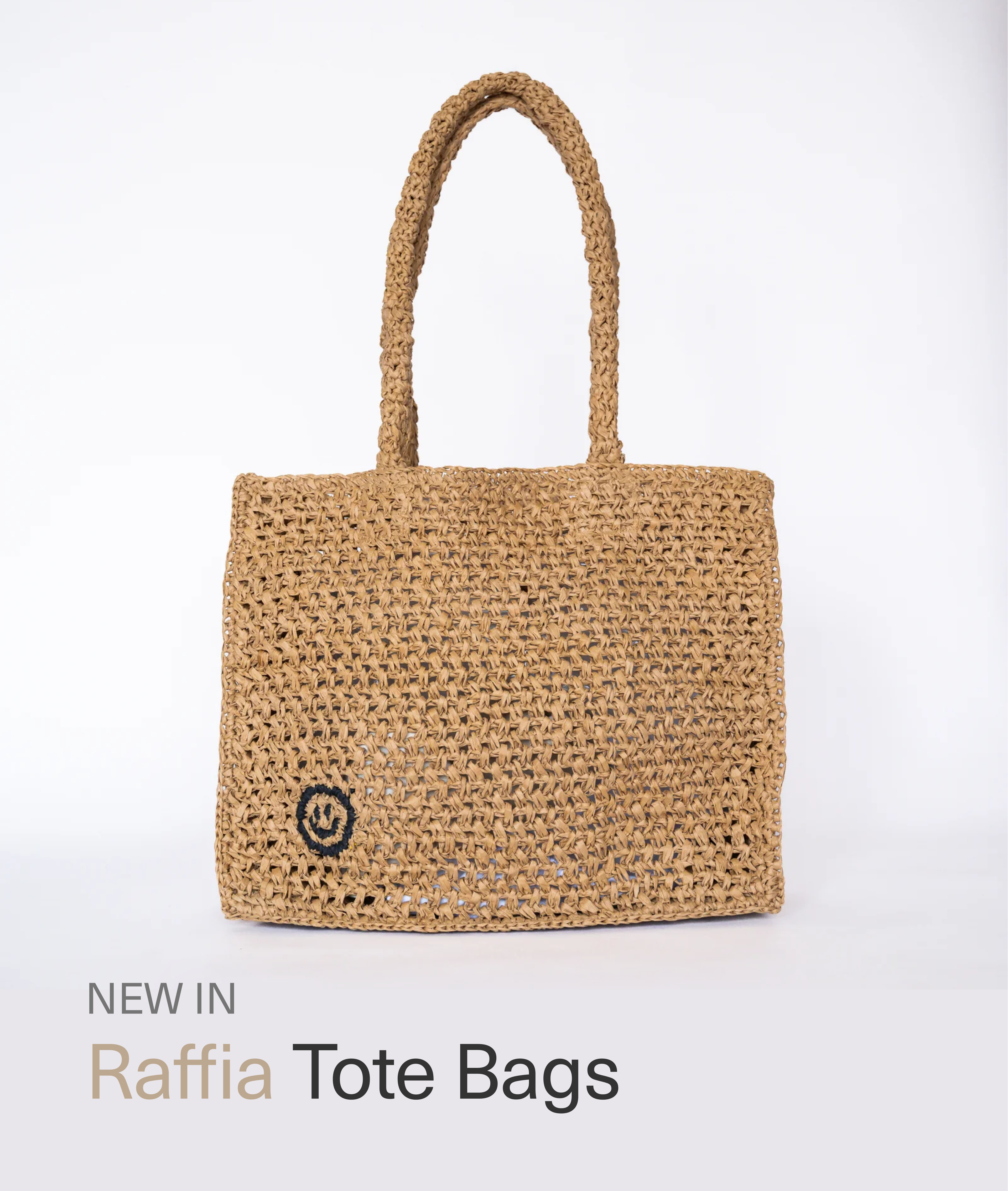
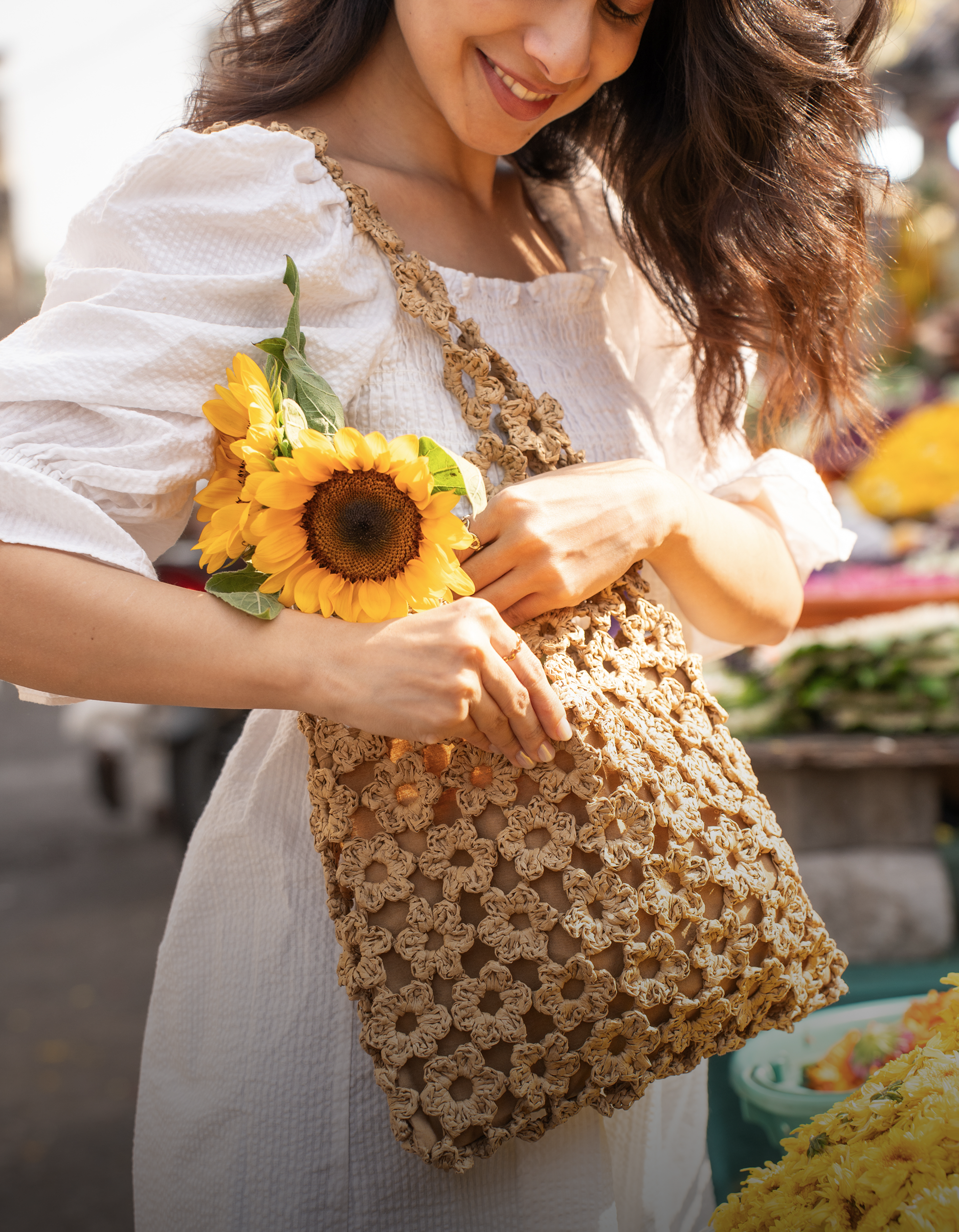
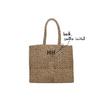
Raffia Accessories: Not a clothing fabric, but worth noting, raffia bags and accessories hold up better than leather in monsoon conditions since they don't absorb moisture the same way.
Layerable Basics: Monsoon weather shifts fast, cool mornings, humid afternoons. Versatile co-ord separates in breathable fabric let you adjust without overheating or catching a chill.
Fabrics to Avoid in Both Seasons
- Polyester and synthetic blends - Trap heat, don't breathe, and hold onto sweat odor.
- Heavy denim - Too warm for summer, too slow to dry in monsoon.
- Non-breathable activewear fabric for casual daily wear, built for short bursts of movement, not all-day heat.

How to Build a Season-Smart Wardrobe
- Prioritise natural fibres - Organic cotton, hemp, and bamboo cover both seasons well.
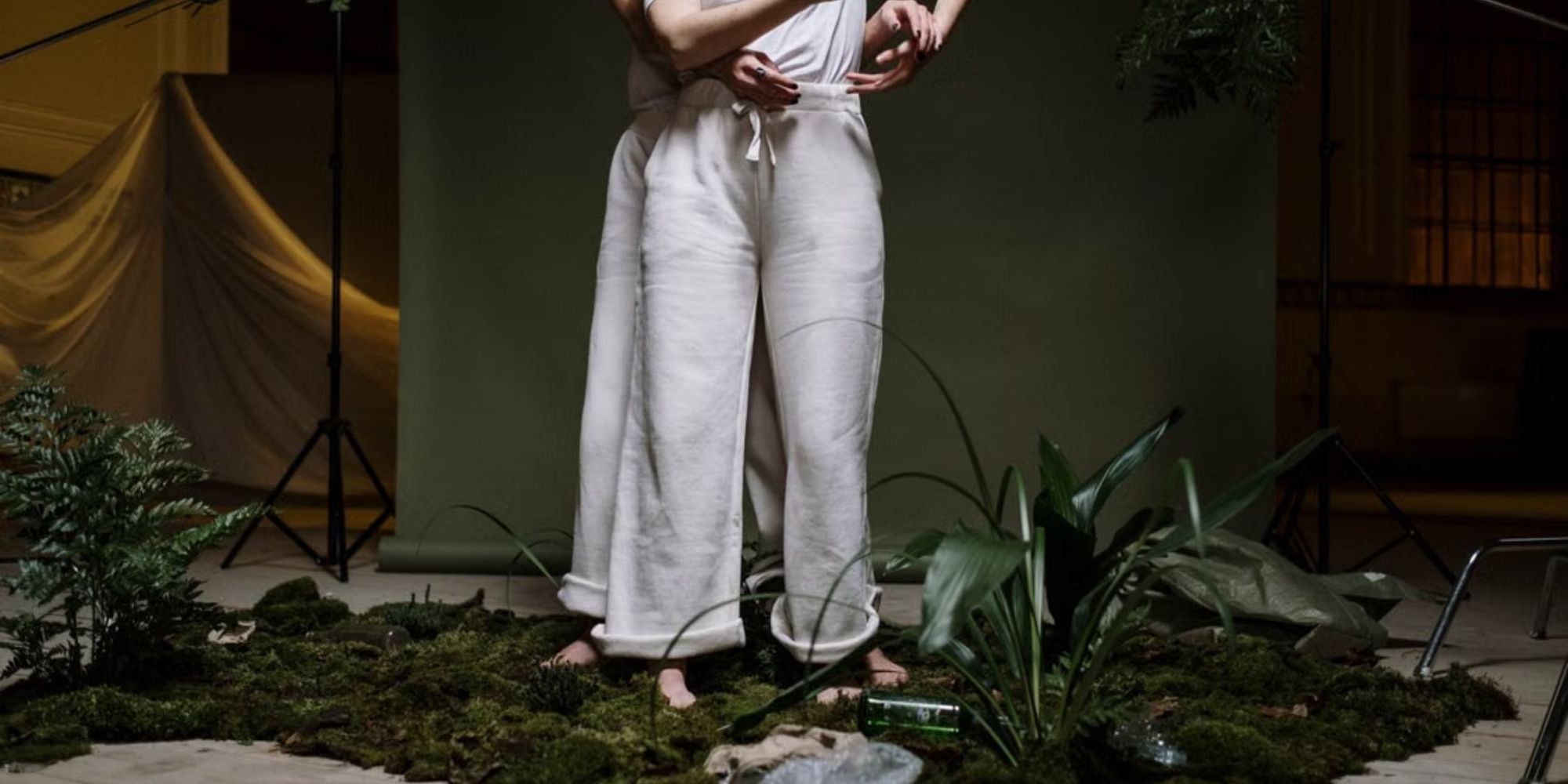
- Keep fits loose - Airflow matters as much as fabric choice.
- Choose quick-dry pieces for monsoon - Thinner weaves dry faster and resist odor.
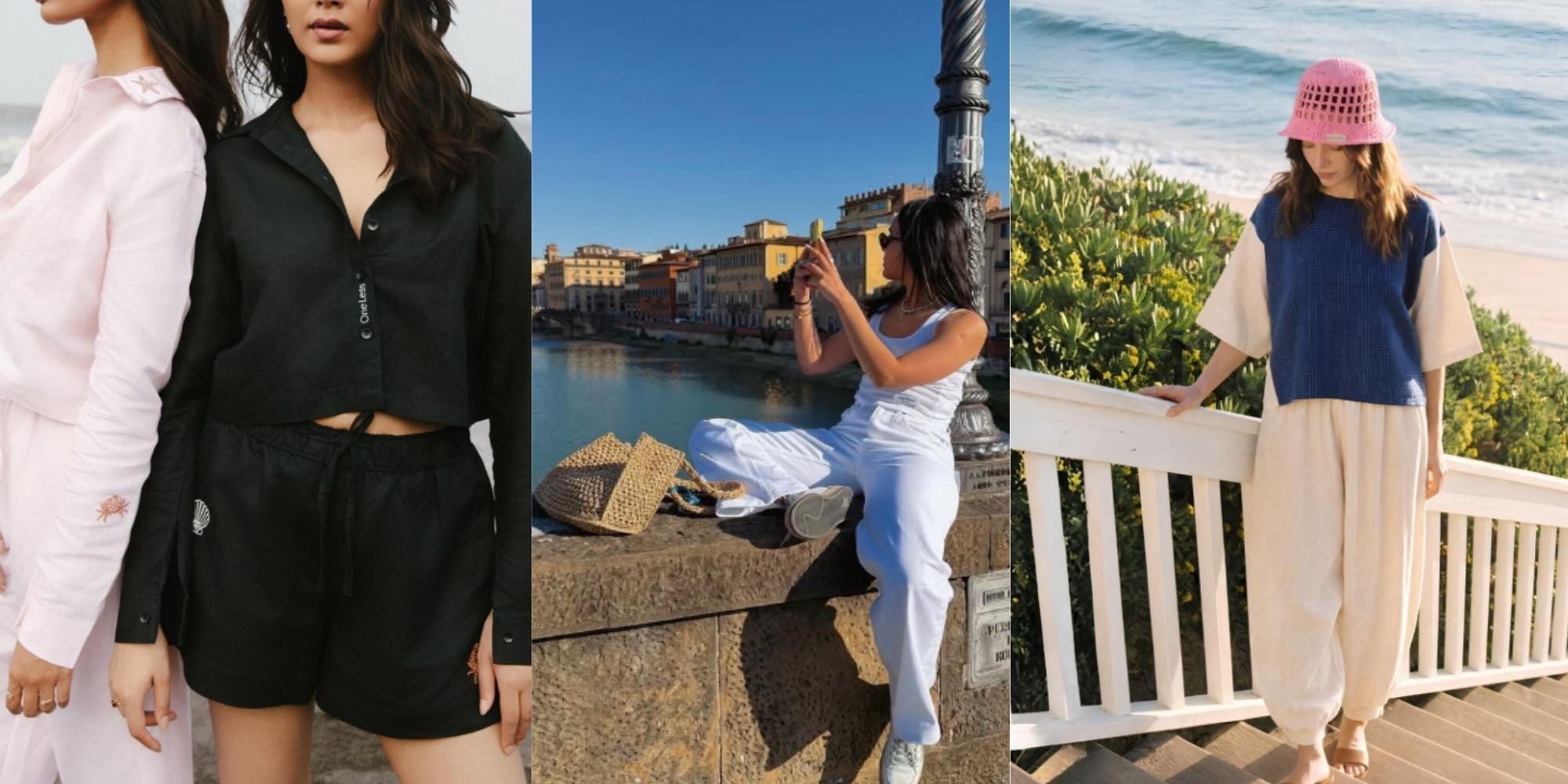
- Invest in versatile separates - Co-ord sets that mix and match handle shifting weather better than one-off outfits.
- Check for certifications - GOTS-certified fabrics are verified for organic content and processing quality, so you're not just trusting a label.
The Bottom Line
Summer and monsoon in India both demand the same core answer - natural, breathable fabrics over synthetic ones. Organic cotton, hemp, and bamboo handle both seasons well, just for slightly different reasons: heat management in summer, moisture and odor resistance in monsoon. Building a wardrobe around these fabrics means fewer sweaty, uncomfortable days regardless of the season.
FAQs
Q: What is the best fabric for Indian summers?
Bamboo and hemp are top choices for their moisture-wicking and cooling properties, with organic cotton close behind.
Q: What fabric dries fastest in monsoon?
Lighter organic cotton weaves and bamboo dry faster than heavier fabrics like denim.
Q: Does bamboo fabric smell in humidity?
No, bamboo has natural antibacterial properties that resist odor build-up even in damp weather.
Q: Is linen good for monsoon?
Linen is breathable but wrinkles and holds moisture longer than bamboo or lighter cotton, making it better suited to summer.
Q: What should I avoid wearing in humid weather?
Polyester and other synthetic blends, which trap heat and moisture and hold onto sweat odor.
Q: Is Tencel good for both summer and monsoon?
Yes, Tencel regulates temperature well in heat and manages moisture effectively in humidity, making it a year-round fabric.
Q: How do I know if a fabric is genuinely sustainable and breathable?
Look for certifications like GOTS, which verify organic content and ethical processing rather than relying on marketing claims.


Leave a comment
This site is protected by hCaptcha and the hCaptcha Privacy Policy and Terms of Service apply.