





Something quiet is happening in the way people dress. It's not a loud trend, no neon colours or viral runway moments. It's more of a slow shift, the kind that happens when people start asking a simple question: what's actually in the clothes I wear every day?
For a lot of people, that question leads to the same place, organic cotton clothing. And once they make the switch, most of them don't go back. Not because they're trying to be perfect. But because it just feels better. Literally and otherwise.
So what's actually behind the switch? Here's an honest look.
What Makes Cotton "Organic" in the First Place?
It's worth getting this straight before anything else, because the word "organic" gets thrown around a lot, on food labels, skincare packaging, and now clothing.
Organic cotton is grown without synthetic pesticides, fertilisers, or genetically modified seeds. It uses farming methods that work with natural systems rather than against them healthier soil, less water waste, and no toxic chemical runoff into local water sources.
Regular cotton? It's one of the most chemically intensive crops on the planet. It uses roughly 16% of the world's insecticides despite covering only 2.5% of global farmland. That's a significant gap and it directly affects the farmers growing it, the communities near those farms, and eventually, you.
Look for GOTS (Global Organic Textile Standard) certification when buying organic clothing. It's the most trusted third-party verification that a product is genuinely organic from farm to finished garment.
The Real Reasons People Are Making the Switch

It's not just one thing. When you talk to people who've shifted to organic t-shirts and organic clothing, there are a few reasons that come up again and again. Here's what actually drives the decision.
1. It Feels Different on Your Skin - in a Good Way
This is often the first thing people notice. Organic cotton is softer, more breathable, and gentler against skin, especially for people who've dealt with irritation, rashes, or sensitivity with regular cotton or synthetic fabrics.
Why? Conventional cotton is treated with finishing chemicals that remain in the fabric even after washing. Organic cotton skips those treatments. What you're putting on your skin is just the fabric, nothing else.
For people with eczema, sensitive skin, or babies and toddlers, this is often the deciding factor. But even if your skin has never complained, the difference in feel is noticeable.
2. People Are Thinking About What Happens After They Buy
A t-shirt that costs very little to produce often costs a lot somewhere else, in chemical use, water consumption, or the conditions of the people making it. More shoppers in 2026 are connecting those dots.
Organic cotton clothing typically comes from supply chains that are more transparent, more ethical, and more traceable. When a brand is committed to organic materials, it usually signals a broader commitment to doing things right, from farm to finished product.
People aren't buying a t-shirt anymore. They're buying into a set of values. And that shift in thinking is driving a lot of wardrobe decisions.
3. The Environmental Case Is Hard to Ignore
Growing organic cotton uses significantly less water than conventional methods, some estimates put it at up to 91% less water when rain-fed farming is used. It also builds healthier soil over time rather than depleting it.
When you pair that with brands that plant a tree for every purchase, use low-impact dyes, or run on renewable energy, the environmental footprint of your wardrobe starts to look genuinely different.
It's not about being perfect. It's about making choices that add up to something over time. A lot of people find that mindset genuinely energising rather than guilt-driven.
4. Organic Cotton T-Shirts Actually Last Longer
Here's a practical one. Organic cotton fibres are not weakened by chemical processing, so they tend to hold their structure better over repeated washing. The fabric doesn't pill as quickly, the colour holds more consistently, and the fit stays truer for longer.
When you buy fewer things but each thing lasts longer, you're not just being eco-conscious, you're also spending smarter. The per-wear cost of a well-made organic t-shirt often comes out lower than a cheap fast-fashion piece that needs replacing every six months.
5. The Style Has Caught Up
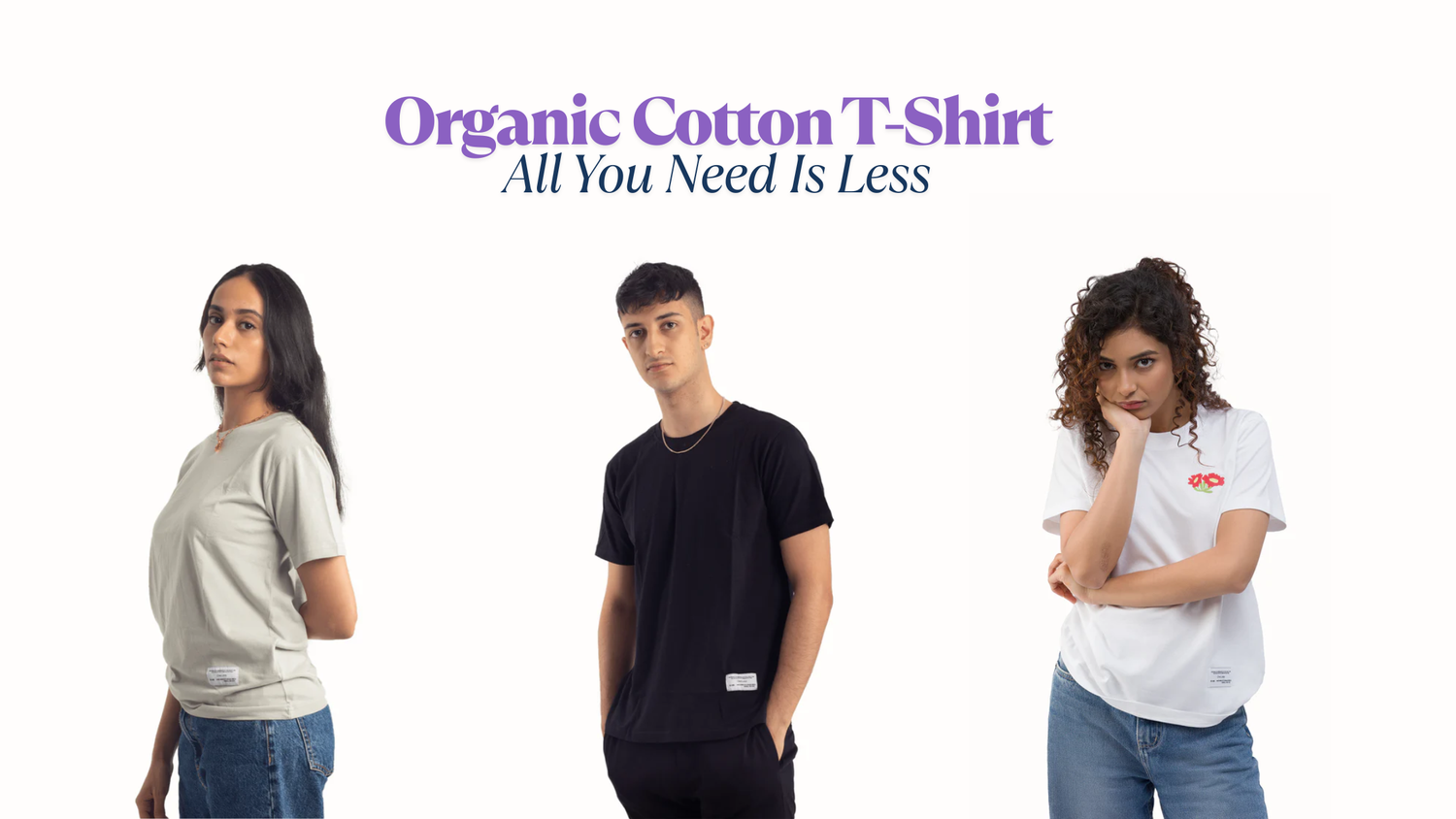
For a long time, "sustainable" clothing had a reputation for being frumpy, shapeless, or overly earthy. That era is over. Organic cotton t-shirts today come in clean cuts, well-thought-out colourways, and fits that work for actual life, not just hiking trails.
Whether it's a cropped t-shirt styled with high-waist jeans, printed t-shirts for women with bold seasonal graphics, or a relaxed everyday tee, organic cotton now shows up across every style you'd actually want to wear.
Brands building in this space have figured out that conscious clothing doesn't have to look like a compromise. And shoppers have noticed.
Organic Cotton vs Regular Cotton - A Straightforward Comparison
- Pesticide use: Regular cotton uses heavy synthetic pesticides. Organic cotton uses none, farming relies on natural pest management.
- Water consumption: Conventional cotton farming is water-intensive. Organic methods, especially rain-fed, use significantly less.
- Skin feel: Regular cotton often contains chemical residues from processing. Organic cotton is cleaner, softer, and less likely to cause irritation.
- Durability: Chemical processing weakens conventional cotton fibres over time. Organic cotton fibres stay stronger through more washes.
- Farmer health: Conventional cotton farming exposes farmers to toxic chemicals regularly. Organic farming removes that risk entirely.
- Certification: Look for GOTS or OCS (Organic Content Standard) on any organic clothing you buy, these certifications mean the claims are verified, not just marketing.
What to Look For When Buying Organic Cotton T-Shirts
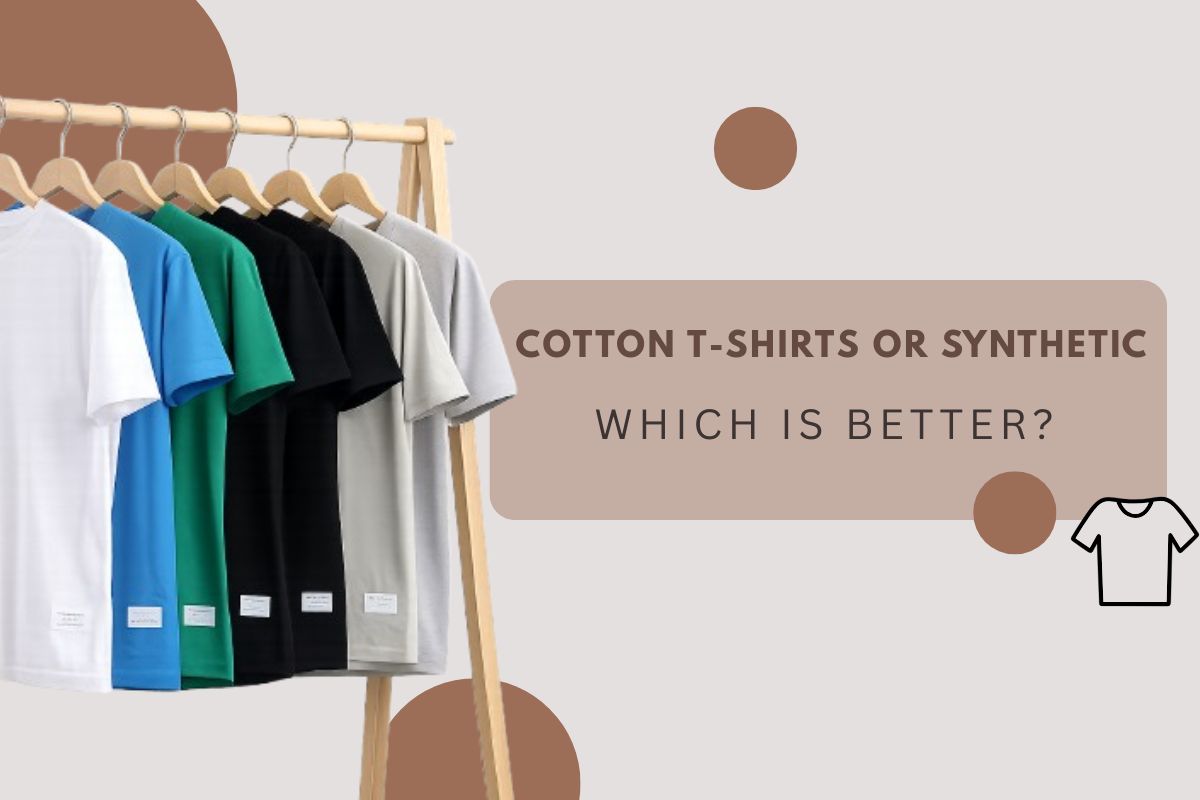
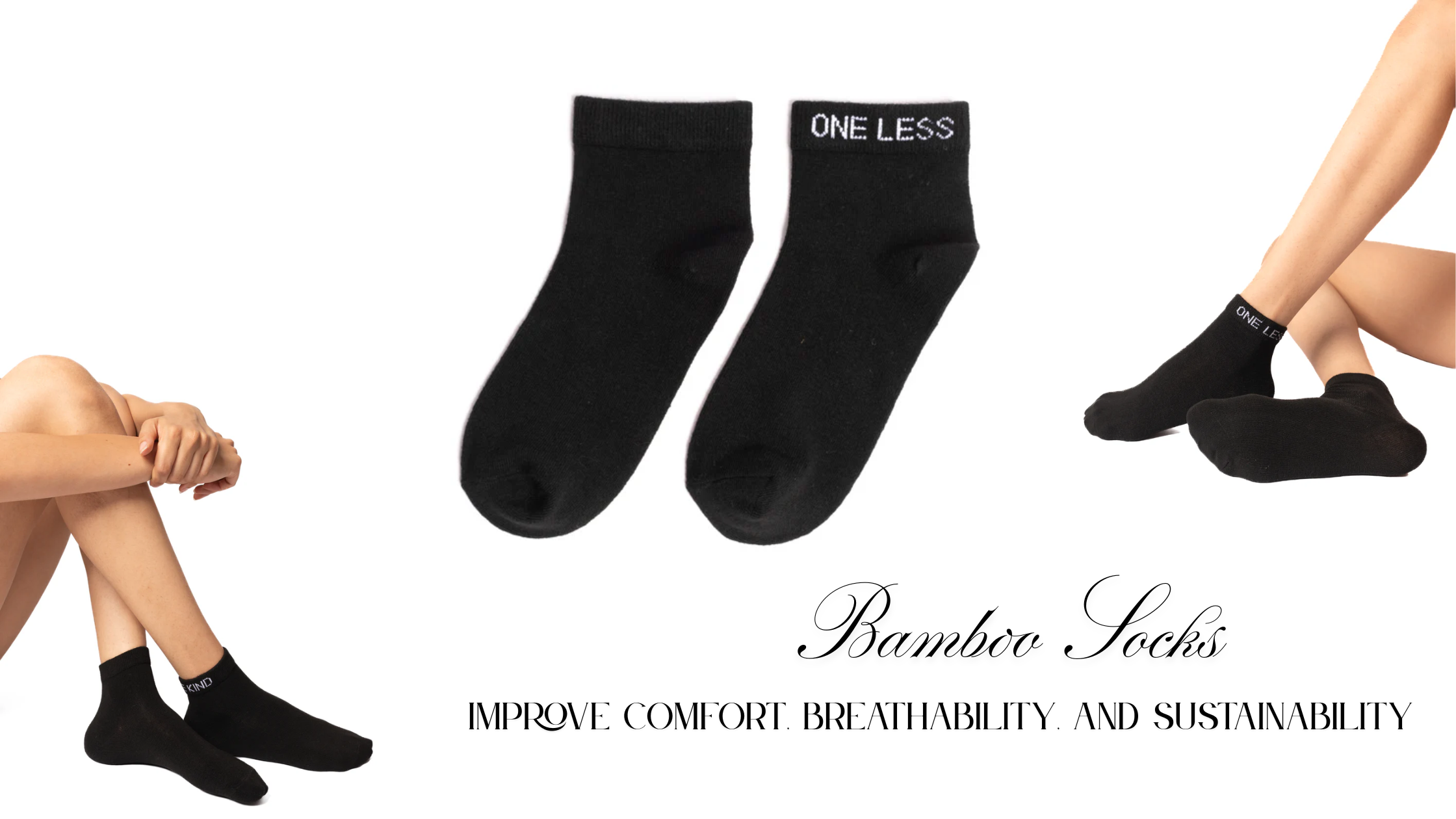
Not all organic clothing is made equal. And organic cotton isn't the only fabric worth knowing, bamboo shirts are gaining serious ground for their natural softness, moisture-wicking properties, and low environmental footprint. But whether you're shopping for organic cotton or bamboo, here's a quick checklist to help you shop with clarity rather than just good intentions.
- GOTS or OCS certification: The label should name the certifying body. Not just the word "organic" with no verification behind it.
- Transparent supply chain: Does the brand share where their cotton is from? Who makes the garments? Brands that are proud of their process tend to show it.
- Low-impact or natural dyes: The fabric being organic is step one. The dyes used matter too, look for brands that specify OEKO-TEX or azo-free dyes.
- Honest about imperfection: Brands doing this well tend to talk about their journey openly, not just their achievements. That honesty is usually a good sign.
- Pieces you'll actually wear: The most sustainable item of clothing is the one you reach for repeatedly. Buy things you genuinely love, not just things that tick boxes.
The Shift Isn't a Trend - It's a Direction

What's happening with organic cotton clothing isn't a moment. It's a direction. The kind that builds quietly, driven less by Instagram aesthetics and more by people making slightly more intentional decisions each time they need something new to wear.
Switching to organic t-shirts won't fix everything, and nobody claiming it does is being honest. But it's a real, tangible place to start. And starting somewhere, with something you wear literally every day, matters more than waiting until you can do everything perfectly.
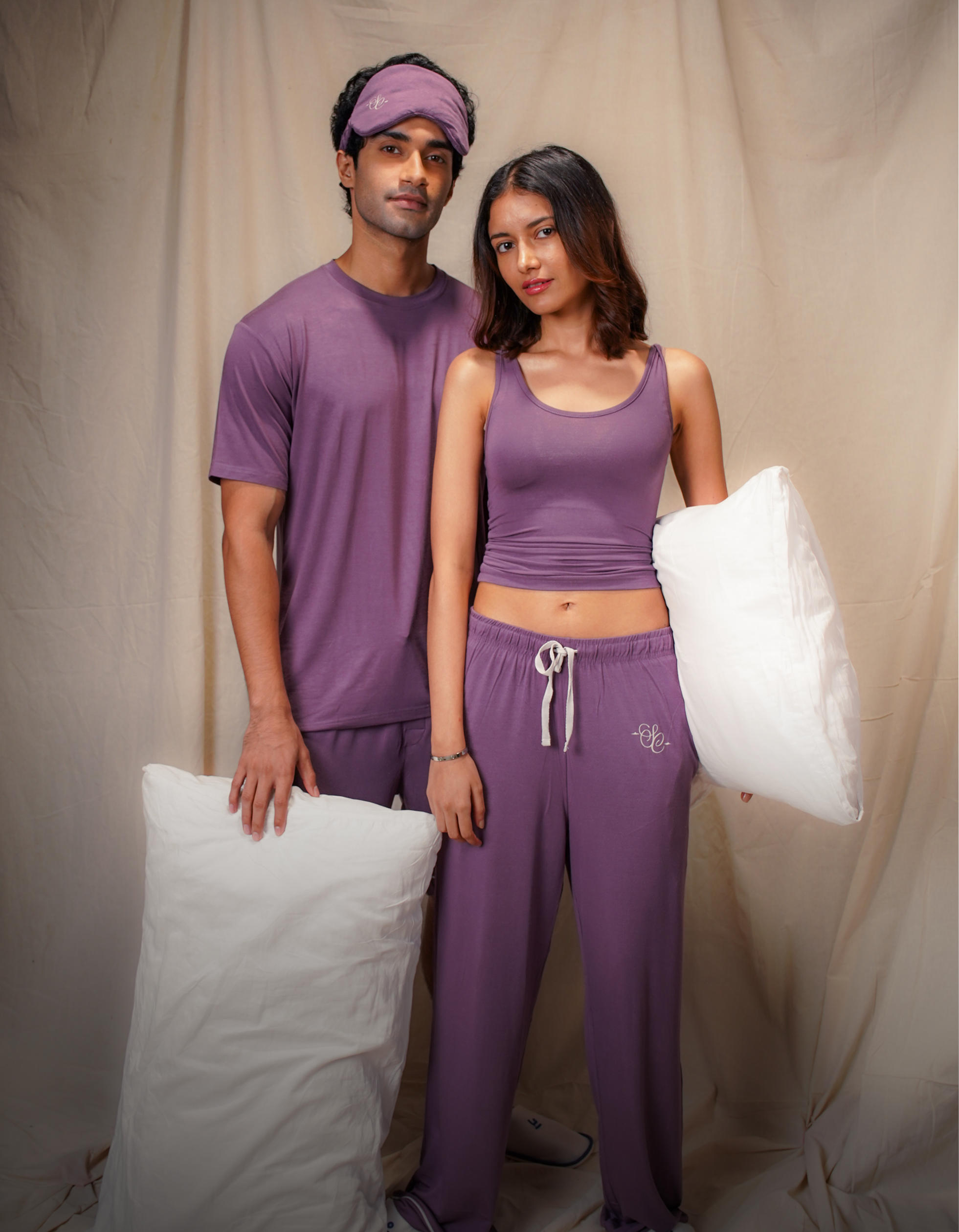
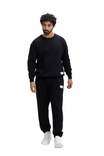
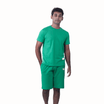
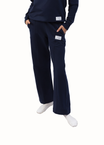
At One Less, every piece is made from organic and natural fabrics, grown without chemicals, made without shortcuts, and designed to be worn for years, not seasons. Whether you're picking up an organic tee, a cropped t-shirt for the weekend & printed t-shirts for women from our latest drop, bamboo shirts for everyday comfort, or men's cotton shorts built to last, every choice here is one you can feel good about. Because we believe one fewer harmful choice, made by enough people, actually adds up to something.
Explore our organic cotton collection → and find something you'll want to wear again and again.
Common Questions People Have Before Switching
1. Is organic cotton clothing more expensive?
Often yes, slightly. But not as much as people assume. And when you factor in how much longer the pieces last, the actual cost-per-wear is very competitive. Think of it less as "paying more" and more as buying less, but better.
2. Does organic cotton shrink more than regular cotton?
It can shrink slightly in the first wash, like most natural fabrics. Washing in cold water and air drying keeps it in shape. Most brands that work with organic cotton account for this in their sizing and pre-wash their fabric, worth checking the care label.
3. How do I know if it's actually organic and not just a label?
Certification is your best friend here. GOTS certification is the gold standard, it covers both the farming and the manufacturing process. If a brand displays this certification, the organic claim is independently verified. If they can't tell you where their certification comes from, that's a red flag.
4. Can organic cotton clothing look stylish?
Absolutely. The assumption that sustainable fashion is boring is genuinely outdated. The best organic clothing brands today make pieces that are clean, considered, and easy to style, basics that work across seasons because they're designed to, not because they're forgettable.


Leave a comment
This site is protected by hCaptcha and the hCaptcha Privacy Policy and Terms of Service apply.