


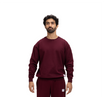
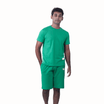
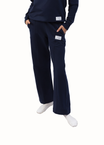
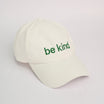
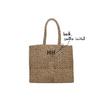
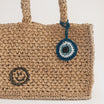

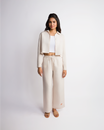

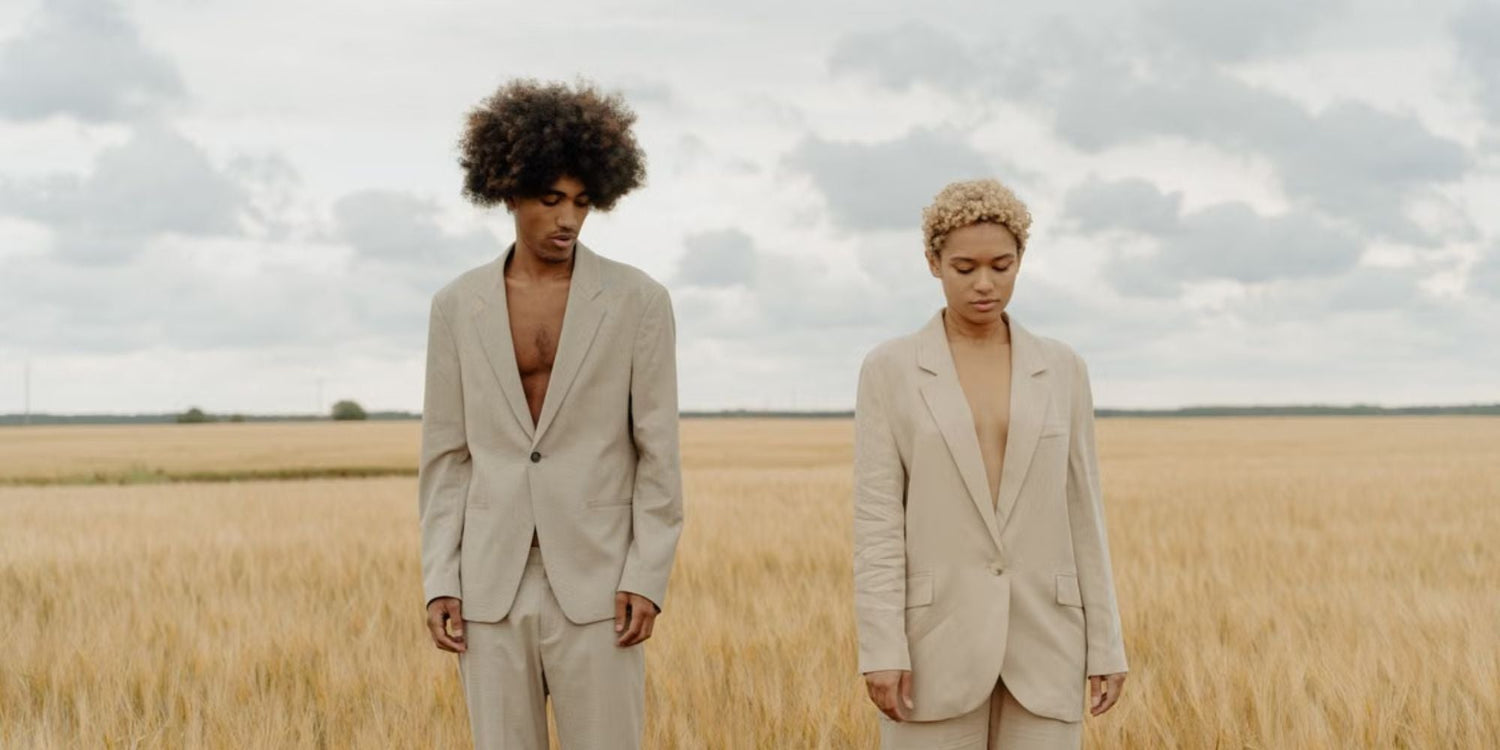
Clothing was never meant to have a gender. That idea is newer than most people think, and mostly came from how stores wanted to sell more, not from any real rule about what men or women should wear.
A brief history of "gendered" clothing
For most of human history, clothing was shaped by climate, class, and material, not gender. Loose tunics, wraps, and robes were worn across genders in many cultures. In India, garments like the kurta and dhoti were never designed as "menswear" in the way we think of the term today; they were simply practical, everyday clothing.
The strict "his" and "hers" divide in fashion largely took shape in the 19th and 20th centuries, as mass retail grew and brands found it easier (and more profitable) to market two separate wardrobes instead of one shared one. What feels like tradition today is, in many cases, a marketing decision that stuck.
Genderless vs unisex: what's the difference
The two terms get used interchangeably, but they mean slightly different things.
"Unisex" usually means a single fit designed to work for everyone, one silhouette, offered to all.
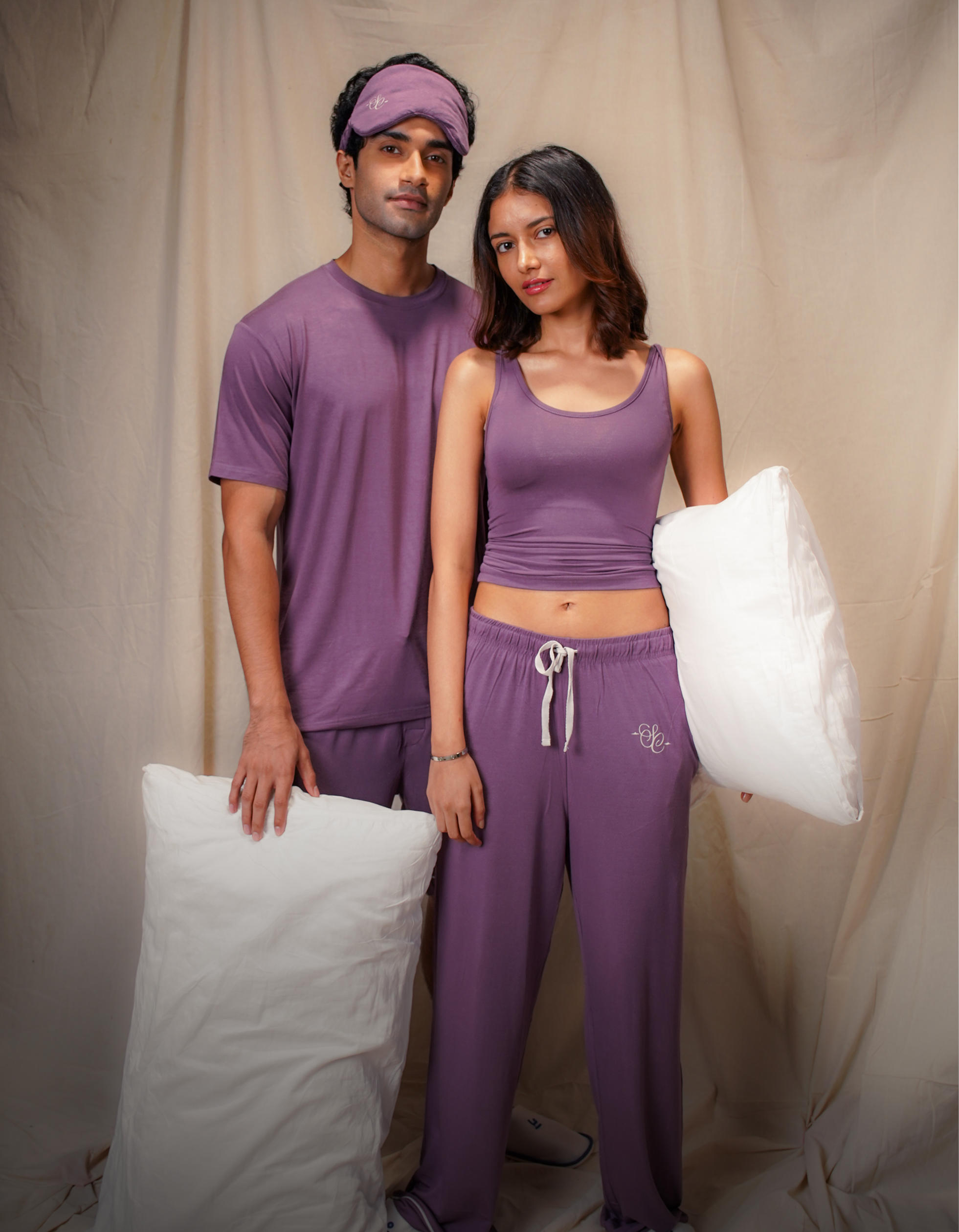
"Genderless" goes a step further. It's less about designing one fit for both genders and more about removing the gendered framing altogether. It's not "a men's shirt that women can also wear." It's just a shirt.
Why it matters today
Genderless dressing isn't about erasing individuality, it's about removing unnecessary friction. When clothing isn't pre-sorted into categories, people get to choose based on comfort, fit, and how something actually feels to wear, not which aisle it was displayed in.

There's a sustainability angle here too. Every "his" and "hers" version of the same design means double the production, double the fabric, double the waste. Fewer duplicate lines, made thoughtfully, is a small but real way fashion can be lighter on the planet.
How One Less approaches this
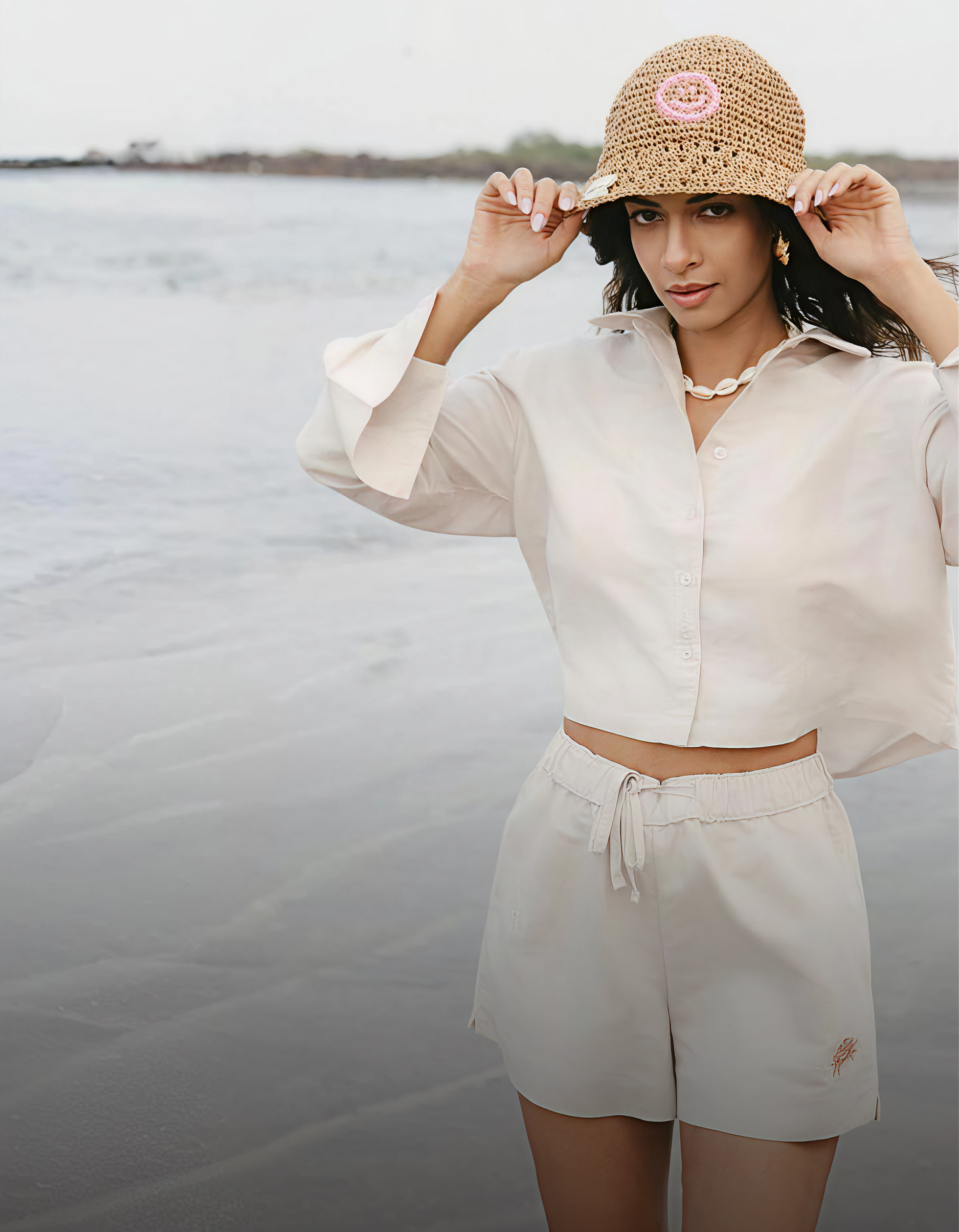
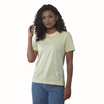
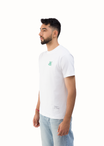
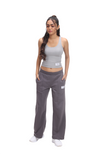
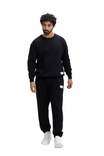
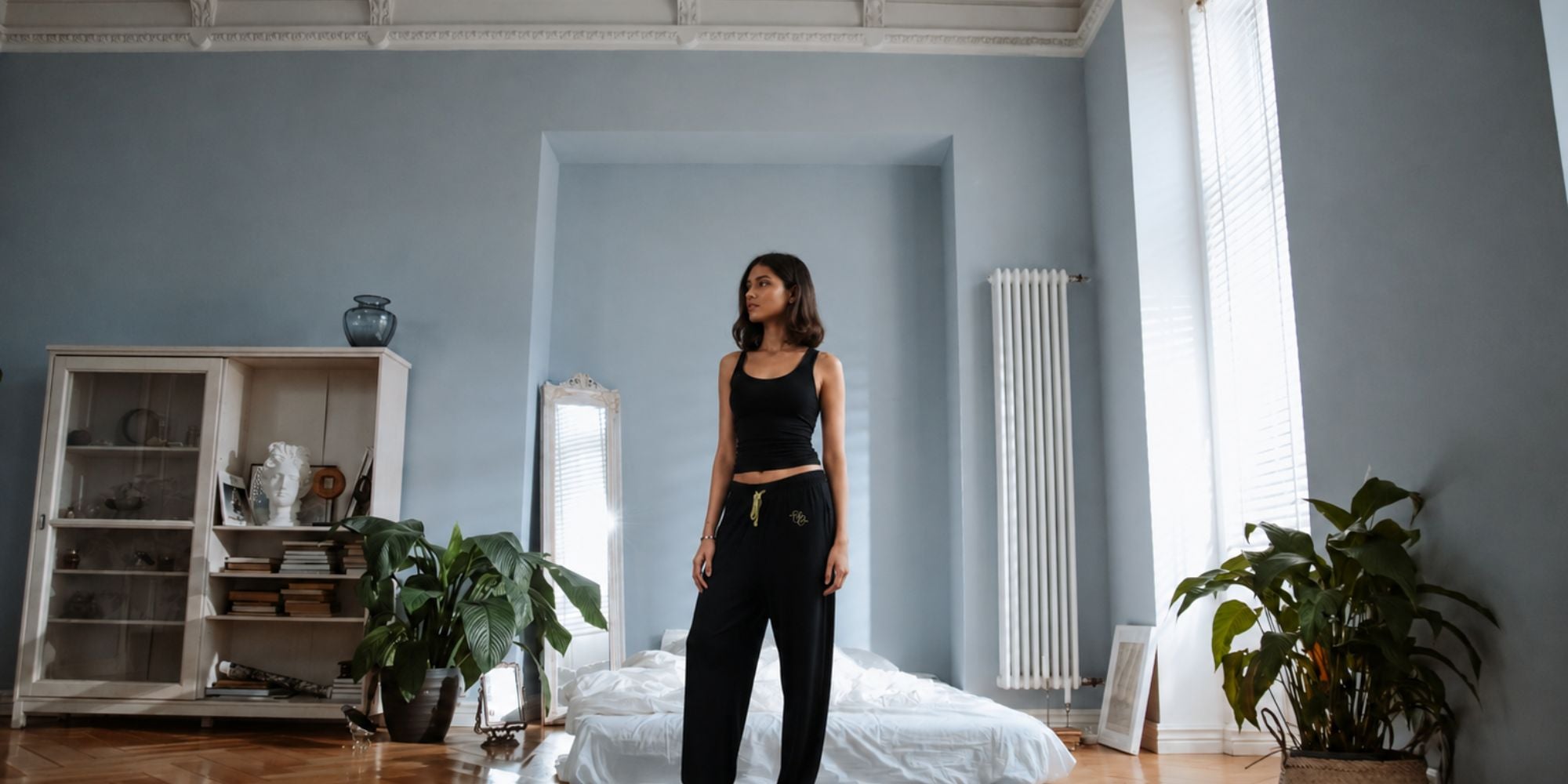
At One Less, our pieces are designed with a relaxed, considered fit meant to work across genders, not labelled "for him" or "for her." It's a simple design choice, but one that reflects how we think clothing should work: for the person wearing it, not a category it's been placed into.
Fashion, without the rulebook
Clothing doesn't need permission slips. What you wear is a personal choice, not something that should come pre-assigned. That's really all genderless fashion is: fewer labels, more room to just get dressed.
FAQ’s
Is genderless fashion the same as unisex?
Not exactly. Unisex means one fit designed to suit everyone. Genderless goes further, it removes the "for him" or "for her" framing entirely.
Does genderless clothing mean it's baggy or shapeless?
No. Fit can still be considered and flattering, it's just not built around gender categories. Many genderless pieces use a relaxed, oversized silhouette by design, not by default.
Why do brands still separate menswear and womenswear?
Mostly tradition and retail habit. Splitting collections by gender became the industry norm in the last century, largely for marketing reasons, not because clothing needs to be gendered.
Is genderless fashion more sustainable?
It can be. Fewer duplicate "his and hers" versions of the same design mean less fabric use and less overproduction overall.
How do I find the right size in genderless clothing?
Sizing is based on measurements and fit, not gender. Checking the size chart on each piece is the most reliable way to find your fit.


Leave a comment
This site is protected by hCaptcha and the hCaptcha Privacy Policy and Terms of Service apply.