



















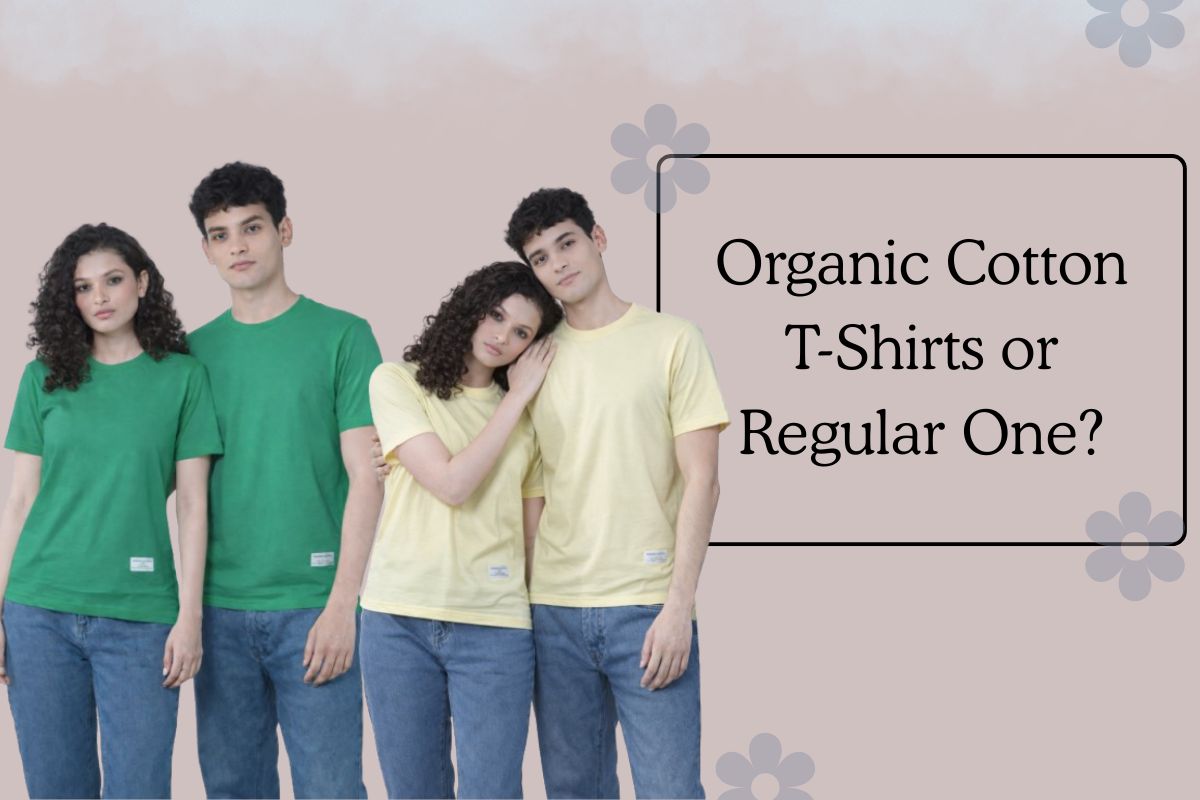
The global shift toward sustainable fashion has made organic cotton T-shirts increasingly popular. But what exactly makes them superior to regular cotton t-shirts? This comprehensive guide explores the key differences, benefits, and reasons why organic cotton is the smarter choice in 2026.
Understanding Organic Cotton: The Manufacturing Difference
The Farming Process
Organic cotton production follows strict environmental and health standards. Farmers use natural pest control methods with beneficial insects instead of toxic pesticides. Crop rotation maintains soil fertility without synthetic fertilizers. Rainwater harvesting and efficient irrigation reduce water waste significantly.
Regular cotton farming uses approximately 16% of the world's pesticides despite covering only 2.5% of agricultural land. This creates significant environmental and health concerns that affect both farmers and end consumers.
Certification Standards
Organic cotton t-shirts must meet rigorous certification standards:
- GOTS (Global Organic Textile Standard): Covers the entire supply chain from farm to finished product
- OCS (Organic Content Standard): Verifies organic material content percentage
- Fair Trade Certification: Ensures ethical labor practices throughout production
These certifications guarantee transparency and accountability throughout the manufacturing process.
Health Benefits: Why Your Skin Will Thank You
Chemical-Free Comfort
Regular cotton contains residual chemicals from pesticides, herbicides, and synthetic fertilizers. These substances remain in the fabric even after manufacturing. Organic cotton t-shirts eliminate this concern completely with zero pesticide residue.
The health advantages are particularly important for people with sensitive skin or eczema. No harmful dye chemicals or formaldehyde treatments touch the fabric. The hypoallergenic properties reduce the risk of skin allergies and irritation significantly.
Superior Breathability
Organic cotton fibers maintain their natural structure without chemical interference. This creates better air circulation and moisture-wicking properties. The fabric regulates body temperature more effectively, keeping you cooler in summer and warmer in winter.
Environmental Impact: The Planet-Friendly Choice

Water Conservation
Water usage is a critical factor in textile production. Organic cotton uses 91% less water than conventional cotton farming. One organic t-shirt saves approximately 2,700 liters of water compared to regular cotton production. There's no groundwater contamination from pesticide runoff, reducing water pollution by 98%.
Carbon Footprint Reduction
Organic farming methods significantly reduce greenhouse gas emissions. The carbon dioxide emissions are 46% lower compared to conventional cotton production. Soil carbon sequestration through healthy farming practices actually removes CO2 from the atmosphere. Organic farming eliminates fossil fuel-based fertilizers.
Biodegradability
Organic cotton T-shirts decompose naturally without leaving toxic residue. The complete lifecycle remains environmentally responsible from growth to disposal. Regular cotton treated with chemicals can take decades to break down and releases microplastics during decomposition.
Durability and Quality: Long-Term Value
Stronger Fiber Integrity
Chemical pesticides damage cotton fibers at the molecular level. Organic cotton maintains natural strength with a fiber structure that's 30-40% stronger. Better shape retention after multiple washes means your t-shirt looks newer for longer. The softness actually improves with time rather than deteriorating.
Cost-Per-Wear Analysis
Organic cotton t-shirts cost 20-30% more initially, but they last significantly longer. The average lifespan reaches 3-4 years compared to 1-2 years for regular cotton.
A ₹1,500 organic cotton t-shirt that lasts 3 years provides better value than buying three ₹700 regular t-shirts over the same period. The lower long-term cost combines with reduced environmental impact.
Price Breakdown: Understanding the Investment
Why Organic Cotton Costs More
Labor-intensive farming without chemical shortcuts increases production costs. Certification and compliance require ongoing investment. Fair wages for farmers and workers reflect ethical business practices. Quality control standards and sustainable supply chain management add to the final price.
The Real Value
The investment includes personal health protection, environmental conservation, ethical labor support, and superior product quality. These benefits extend far beyond the physical garment.
How to Identify Authentic Organic Cotton T-shirts
Certification Verification
Look for GOTS or OCS certification tags on the product. Check for a certification number that you can verify online. Brand transparency about sourcing indicates a genuine commitment. Clear labeling of organic content percentage shows honest marketing.
Warning Signs of Greenwashing
Avoid products with these red flags:
- Terms like "natural" or "eco-friendly" without certification
- Missing supply chain information
- Vague environmental claims without data
- No third-party verification
- Suspiciously low prices
Quality Indicators
Authentic organic cotton t-shirts have a soft, natural texture that differs from chemically processed cotton. Even weave consistency and quality stitching reflect attention to detail throughout production.
Frequently Asked Questions
Q1: Are organic cotton t-shirts worth the extra cost?
Yes. The combination of health benefits, environmental impact, and superior durability makes them a valuable investment. The cost-per-wear is lower over time.
Q2: How can I tell if my T-shirt is actually organic cotton?
Check for GOTS or OCS certification labels. Verify the certification number on official websites. Legitimate brands provide transparent supply chain documentation.
Q3: Do organic cotton t-shirts shrink less?
Initial shrinkage is similar to that of regular cotton. However, organic cotton maintains better dimensional stability after repeated washing due to a stronger fiber structure.
Q4: Can organic cotton t-shirts be as stylish as regular ones?
Absolutely. Modern organic cotton manufacturing supports all printing, dyeing, and design techniques. Style and sustainability work together seamlessly in 2026.
Q5: Where can I buy certified organic cotton t-shirts?
Look for brands with verified GOTS or OCS certifications. One Less offers complete transparency with certified organic cotton t shirts and full supply chain visibility.
Making the Sustainable Choice
Organic cotton t shirts represent the future of responsible fashion. They deliver superior quality, protect your health, and support environmental conservation. Every organic cotton purchase supports sustainable farming communities and reduces chemical pollution.
In 2026, sustainable fashion isn't a trend; it's a necessity. Organic cotton t shirts offer a practical way to align your wardrobe with your values without compromising on style or comfort.
Choose quality. Choose sustainability. Choose organic cotton.



Leave a comment
This site is protected by hCaptcha and the hCaptcha Privacy Policy and Terms of Service apply.