

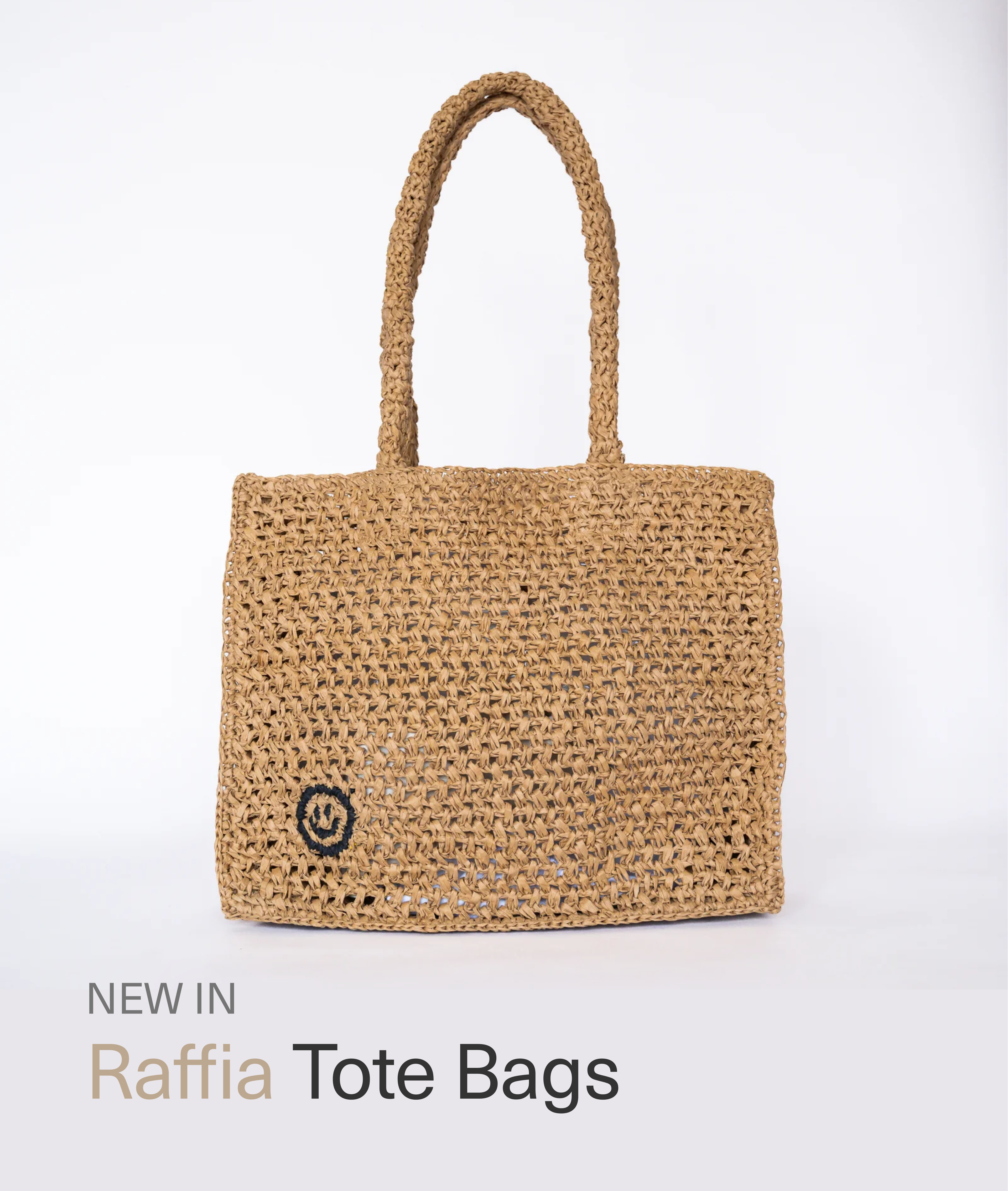
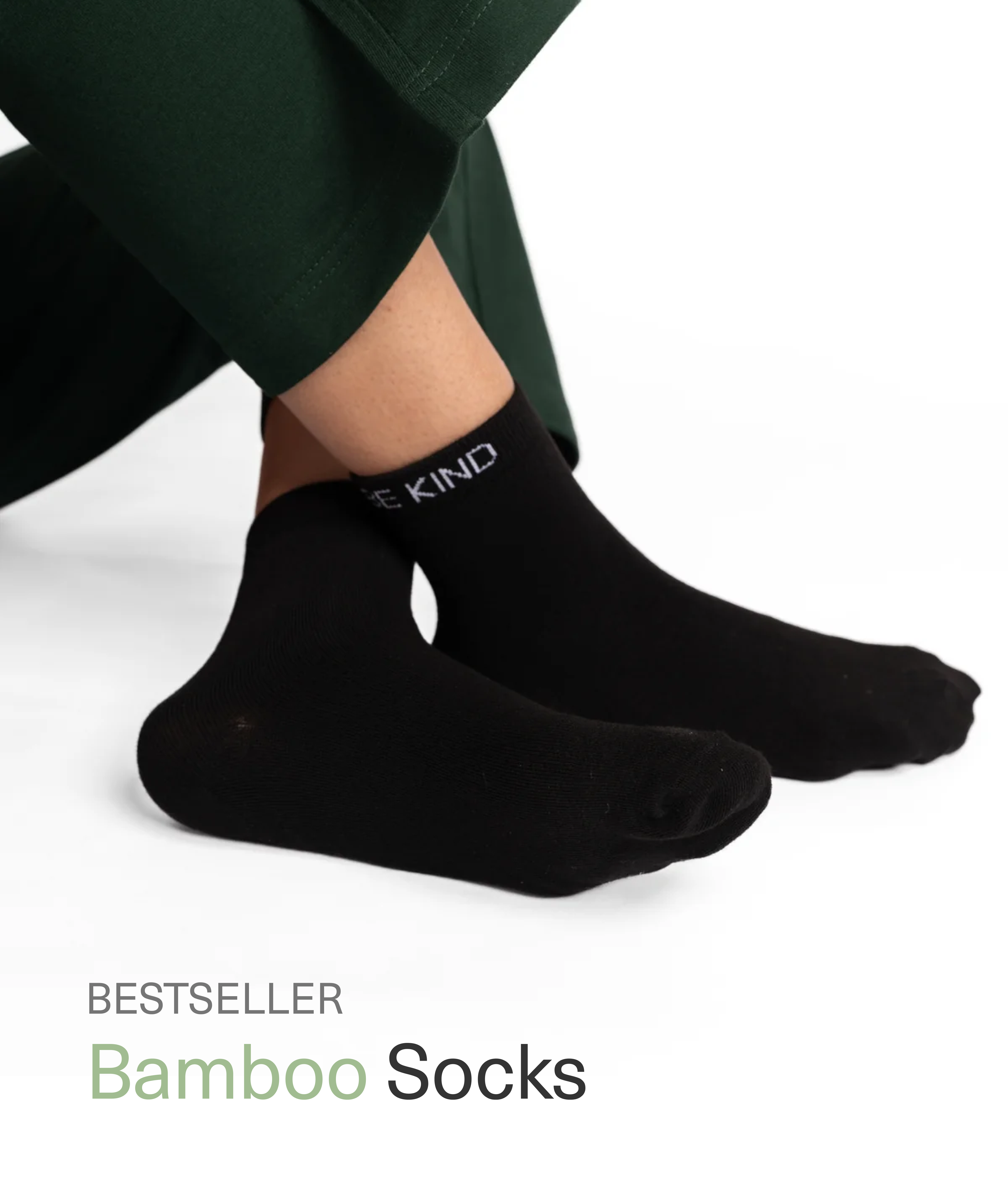
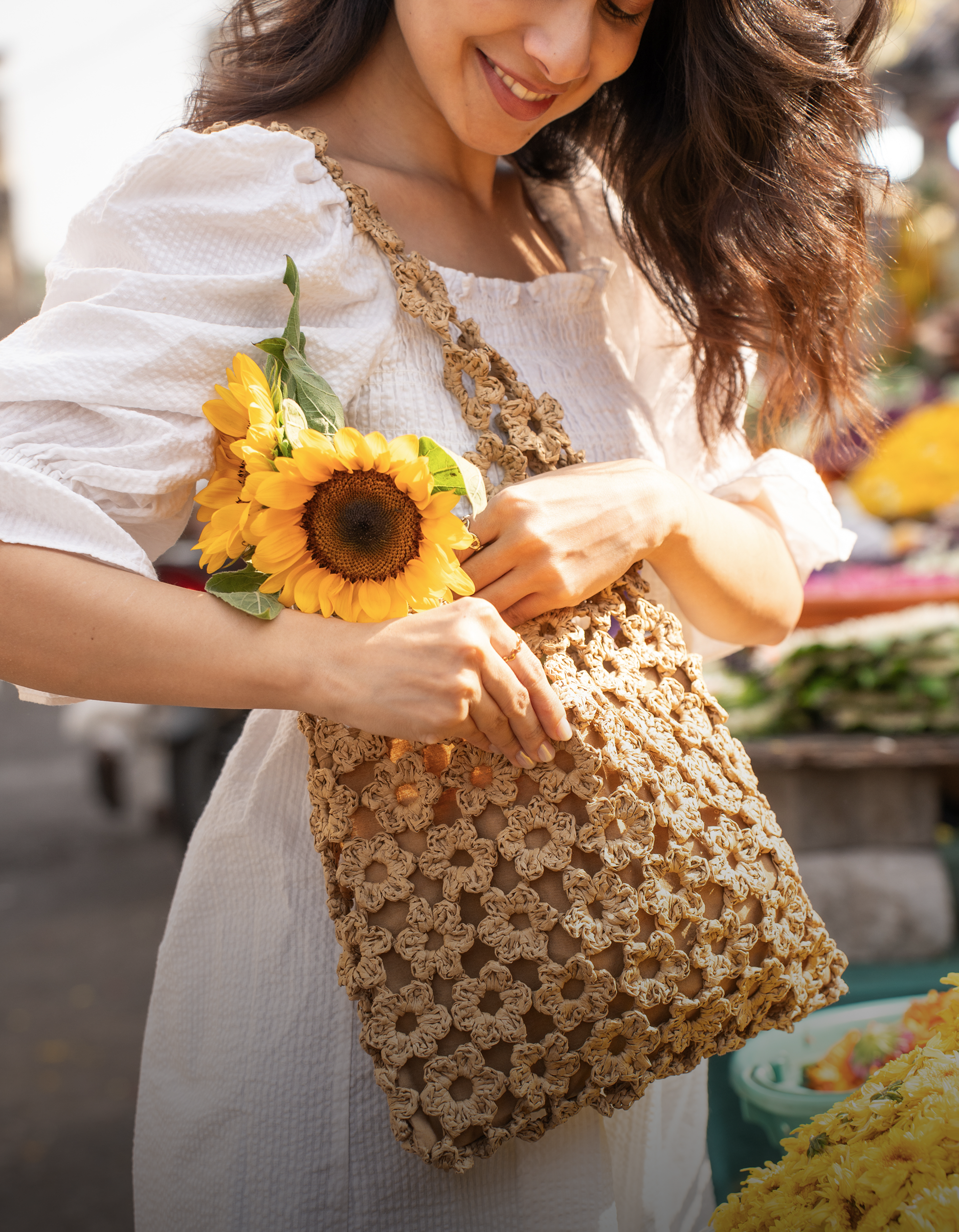
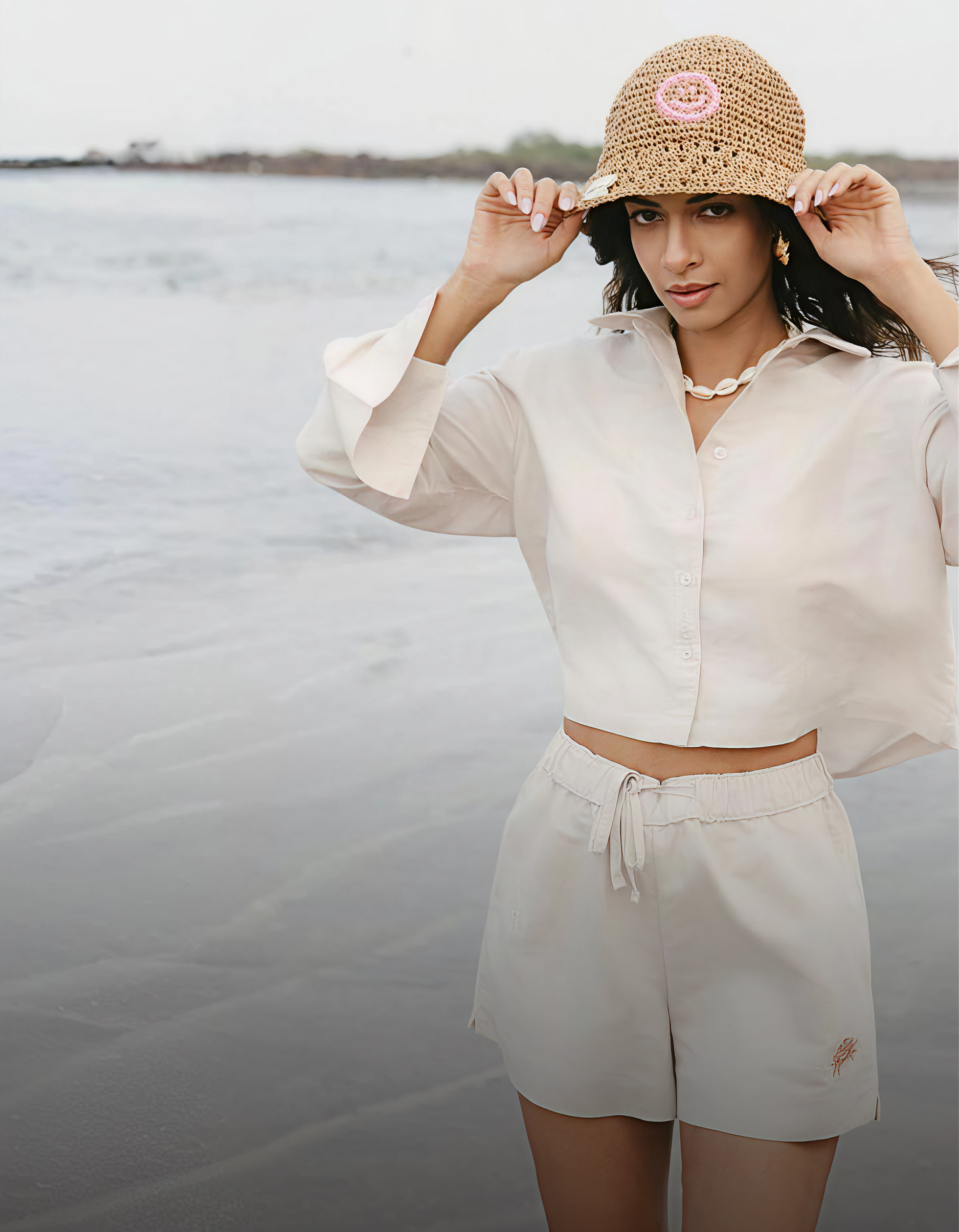
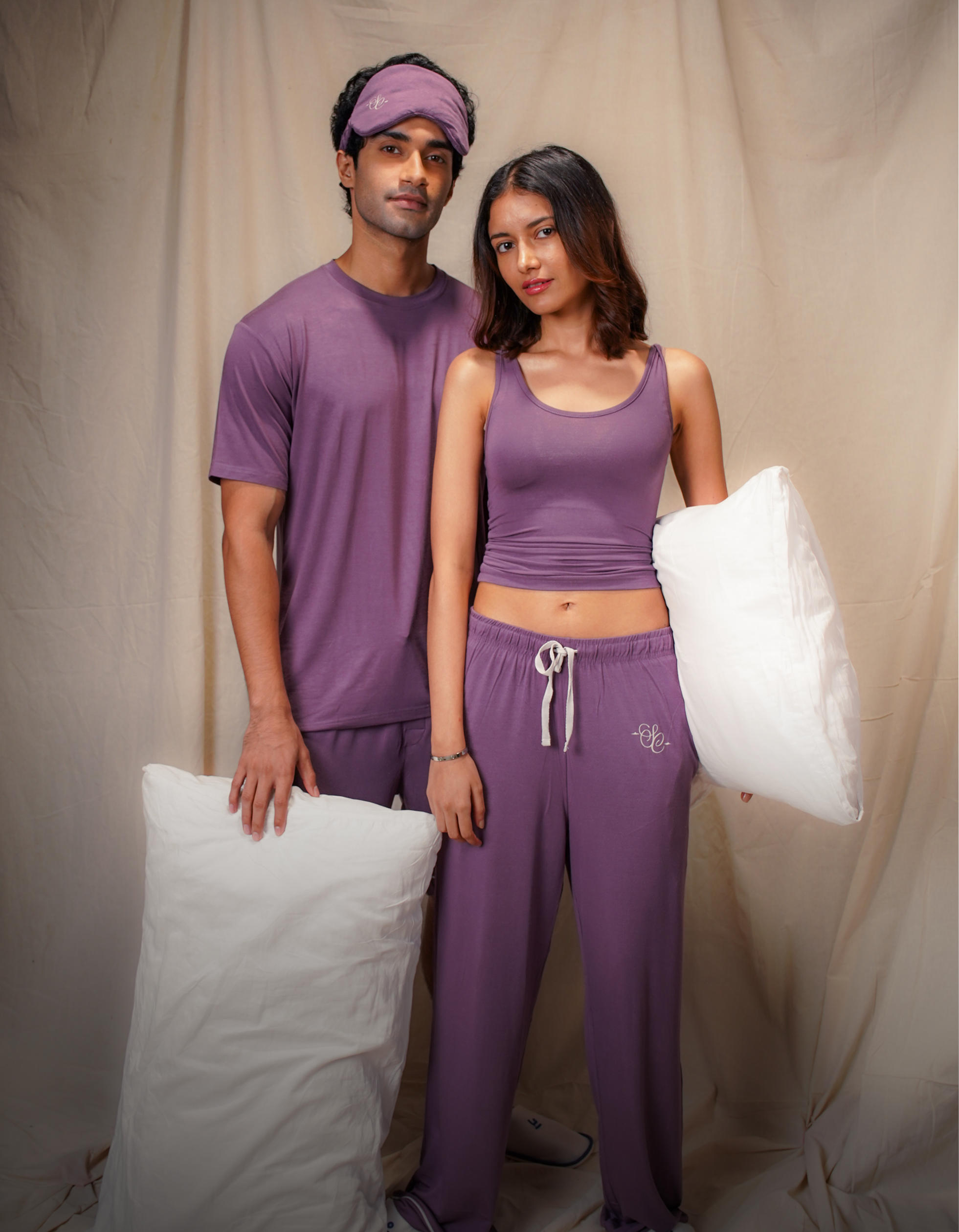
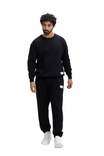
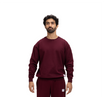
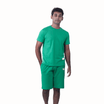
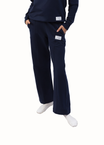

Slow fashion means choosing quality, long-lasting clothing over cheap, fast-changing trends, buying less, but buying better. At One Less, this is the philosophy behind every piece we make: GOTS-certified organic cotton, hemp, and bamboo fabrics designed to outlast trends, not chase them. If you're tired of clothes that fall apart after a few washes, 2026 is the year to make the shift, and here's everything you need to know.
What Is Slow Fashion, Really?
Slow fashion is the direct opposite of fast fashion. Instead of chasing every micro-trend with cheap, quickly-made garments meant to be worn a handful of times and discarded, slow fashion focuses on:
- Quality fabrics that genuinely last, organic cotton, hemp, bamboo, and pure linen instead of synthetic blends.
- Timeless design over trend-chasing silhouettes that go out of style in a season.
- Ethical production, fair wages, safer working conditions, transparent supply chains.
- Lower environmental impact, less water usage, fewer harmful chemicals, and less textile waste ending up in landfills.
Importantly, slow fashion isn't about buying nothing new. It's about buying with intention, fewer pieces, chosen carefully, and worn often.
Why 2026 Is the Tipping Point
- Fabric quality is finally visible to shoppers. People are reading care labels and asking where their clothes come from before they buy, instead of only checking the price tag.
- Capsule wardrobes are trending. Fewer, more versatile pieces that mix and match easily are replacing overstuffed closets full of one-season, one-wear items.
- Durability has become a genuine selling point. Shoppers are actively choosing garments they can wear for years, and brands are marketing longevity instead of novelty.
- Multi-use clothing is now a design priority. A single piece is expected to work across office to evening, city to travel, instead of sitting unused after one outing.
- Certifications are doing the trust-building. With so many brands using "sustainable" loosely, shoppers lean on verified certifications like GOTS to separate real commitments from marketing.
The Real Cost of Fast Fashion

- Garments from low-grade synthetic fabric wear out within a handful of washes, so you replace the same item repeatedly.
- Cheap synthetic fibres shed microplastics with every wash and don't biodegrade for decades.
- Rock-bottom production costs usually mean corners cut somewhere - labour, water, or fabric quality.
- The constant buy-and-discard cycle creates a wardrobe that never feels "done".
Slow fashion flips this - higher upfront cost per garment, far lower cost per wear.
How to Actually Shift to Slow Fashion
- Buy fewer, well-made basics instead of trend pieces you'll wear once or twice.
- Check the fabric first - organic cotton, hemp, and bamboo blends hold up better and breathe better in Indian weather.
- Look for certifications like GOTS before trusting a "sustainable" label.
- Repeat outfits without guilt - styling the same piece differently is a skill, not a compromise.
- Invest in versatile pieces - Co-ord sets and easy separates that transition day to evening.
- Prioritise fit and comfort over fleeting trends.
Fabrics That Make Slow Fashion Work
- Organic cotton - Breathable, soft, grown without synthetic pesticides.
- Hemp - Naturally odor-resistant, durable, great in loose silhouettes.
- Bamboo - Smooth, excellent moisture-wicking, ideal for humid summers.
- Tencel (Lyocell) - Silky, lightweight, low-impact wood pulp production.
Choosing the right fabric is half the equation. The other half is buying less, and buying well, the approach OneLess takes with every organic cotton and hemp-bamboo piece we design.
The Bottom Line
Slow fashion isn't a passing aesthetic; it's a practical response to a wardrobe full of clothes that don't last and don't get worn. Fewer, better pieces save money over time, reduce environmental impact, and simplify getting dressed.
Frequently asked Question
Q: What is slow fashion in simple terms?
Buying fewer, higher-quality clothes made to last, instead of cheap trend pieces that wear out fast.
Q: Is slow fashion more expensive than fast fashion?
Upfront cost is higher, but cost per wear is lower since the clothes last much longer.
Q: What fabrics are best for slow fashion in India?
Organic cotton, hemp, and bamboo, breathable, durable, and suited to India's climate.
Q: How do I start switching to slow fashion?
Buy fewer, versatile basics in durable fabrics and check for certifications like GOTS.
Q: What does GOTS certification mean?
It verifies a garment is made from organic fibres and processed under ethical, chemical-free conditions.
Q: Is slow fashion just a passing trend?
No, it reflects a lasting shift toward durability and transparency over disposable buying.
Q: Can slow fashion still be stylish?
Yes, timeless and versatile pieces often mix and match better than fast fashion wardrobes do.


Leave a comment
This site is protected by hCaptcha and the hCaptcha Privacy Policy and Terms of Service apply.