

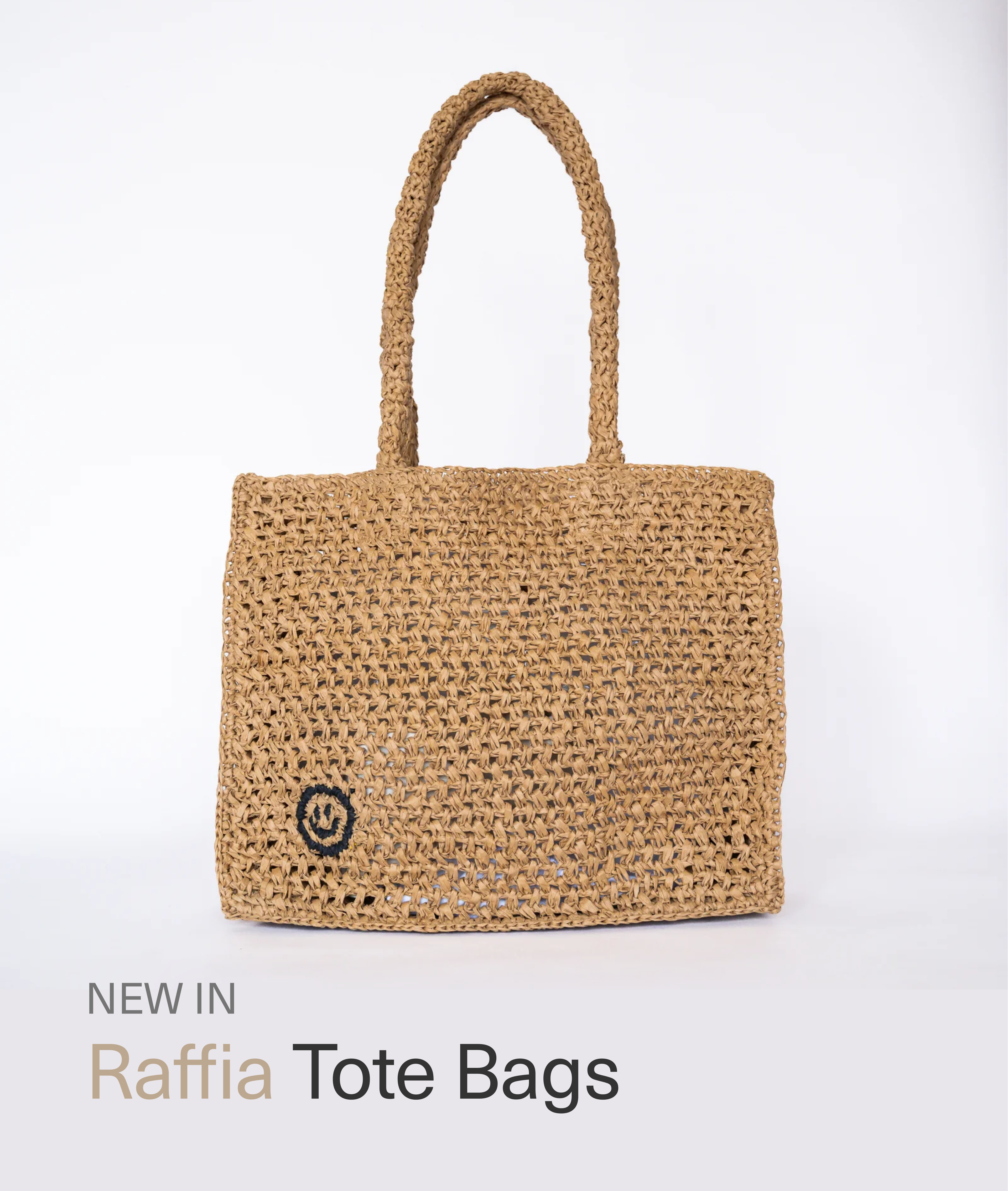
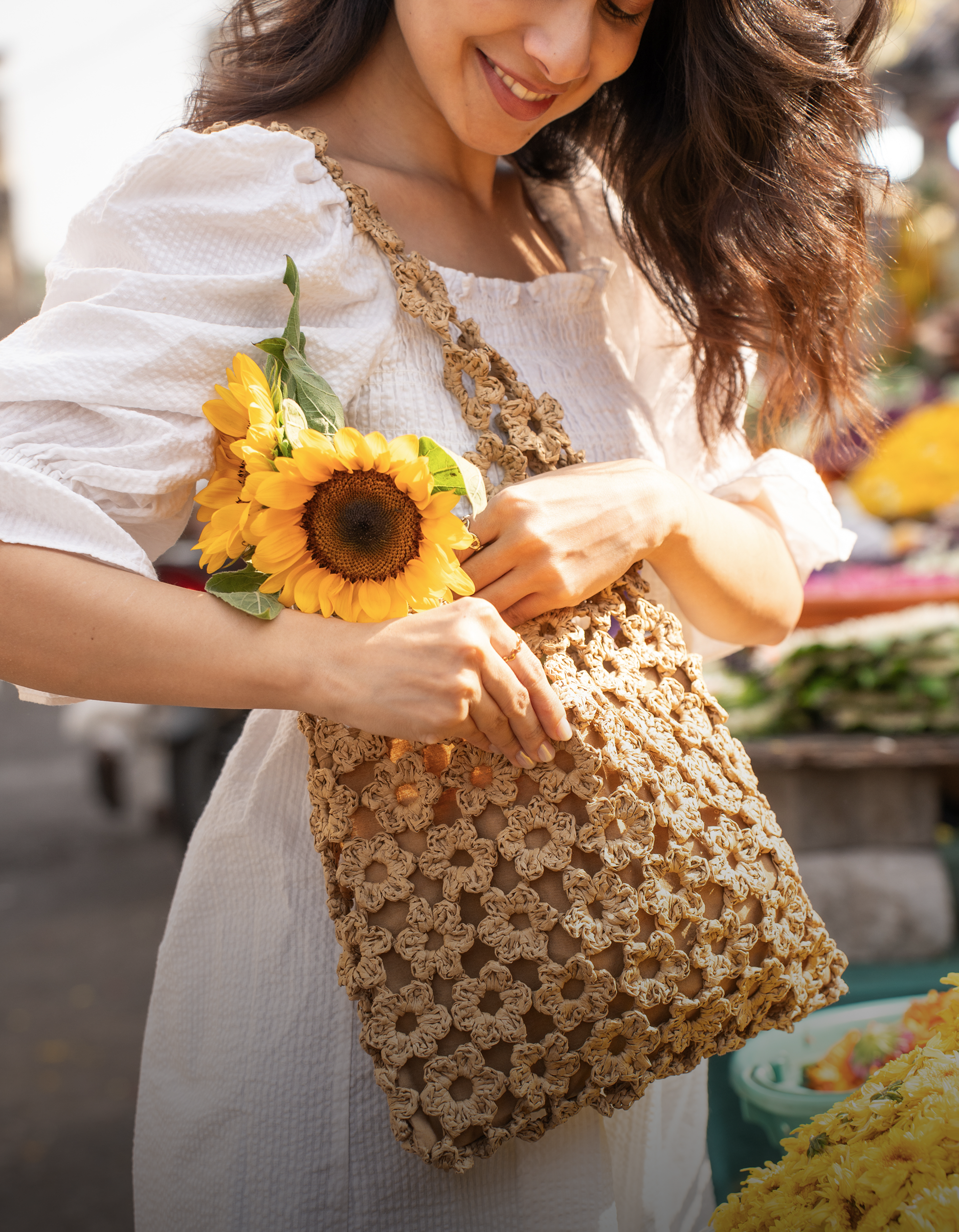


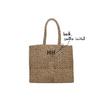
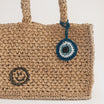
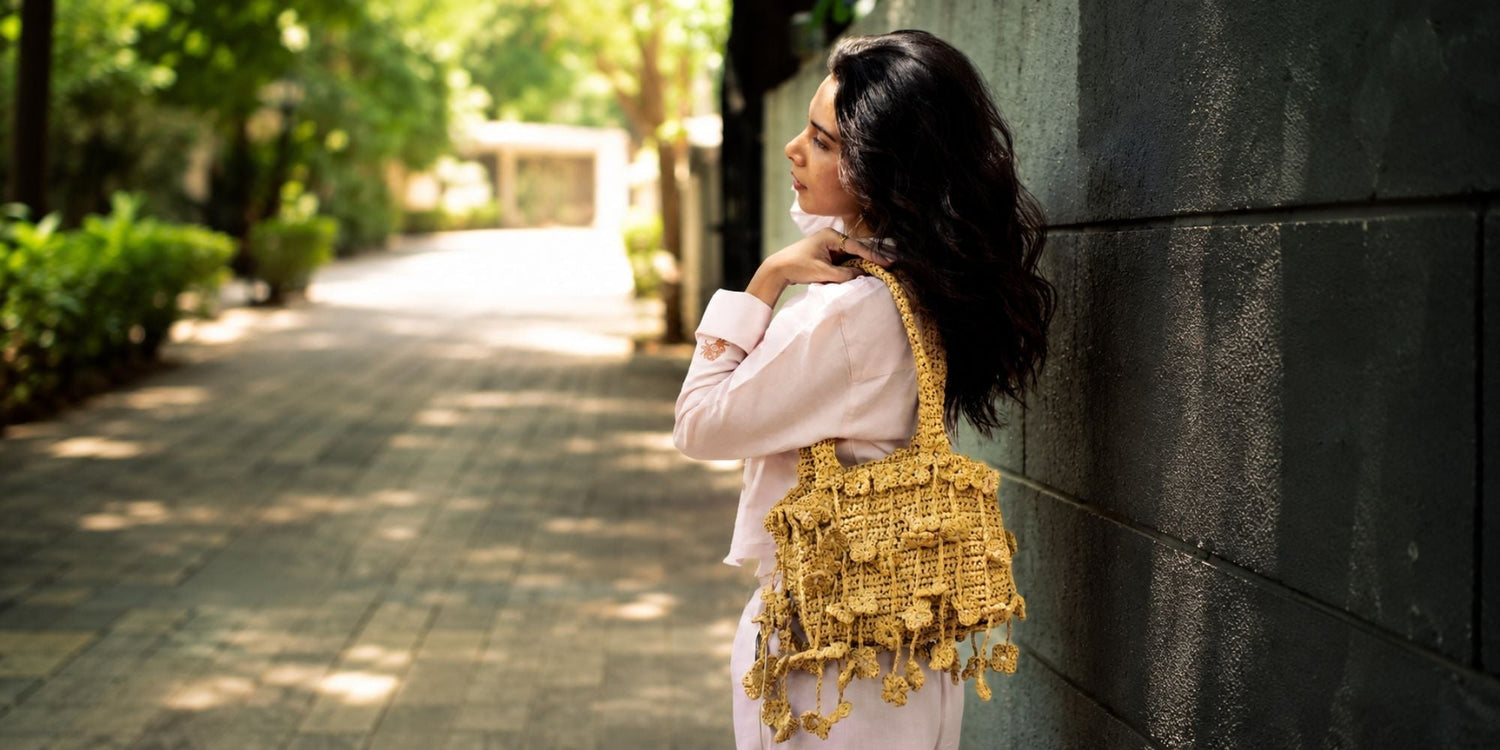
A ₹6,000+ handwoven raffia bag is priced for what mass-produced synthetic bags can't offer, genuine artisan labour, natural materials with zero plastic, and a piece built to last years, not seasons. At One Less, The Flora Bag's price reflects real craftsmanship costs, not a markup on marketing.
If you've been comparing prices before adding this to your cart, here's exactly where the value comes from.
Handwoven, Not Machine-Made
Every Flora Bag is woven by hand in an intricate floral pattern, a process that takes significantly longer than machine production. Machines can churn out identical synthetic totes in minutes; a handwoven raffia bag depends entirely on artisan skill, and no two pieces come out exactly alike. That labour-intensive process is baked into the price, and it's also what makes the bag actually yours, not a copy of a thousand others on a factory line.
The Material Itself Costs More to Source Ethically
Raffia comes from the leaves of the raffia palm, harvested and processed with minimal chemical treatment. Compared to synthetic PU or "vegan leather" (which is usually just plastic), raffia:
- Is fully biodegradable, with no synthetic residue left behind
- Requires no toxic tanning or heavy chemical processing
- Supports traditional artisan supply chains instead of factory mass-production
Cheaper bags cut this cost by using plastic-based materials that pollute at both ends, production and disposal. You're not paying more for raffia because it's trendy; you're paying for a genuinely cleaner supply chain.
Built for Years, Not One Season
The open weave construction on The Flora Bag isn't just visual, it's part of what keeps the bag flexible and long-lasting instead of cracking or peeling the way synthetic bags do after a few months of regular use. A ₹6,000 bag that lasts 3-4 years works out cheaper per use than a ₹1,500 bag you replace every few months.

Every Purchase Funds Something Bigger
For every Flora Bag sold, One Less plants a fruit-bearing tree in Panawadi, near Pune. That's not a marketing add-on, it's a direct, traceable environmental contribution tied to your specific purchase. Part of what you're paying for is that impact, not just the object in your hands.
Size and Everyday Usability
At 23(L) x 8(W) x 20(H) cm, The Flora Bag is sized for genuine daily carry, phone, wallet, essentials, without being bulky. It's not an occasional-use showpiece; it's designed to be an everyday bag, which is where the cost-per-wear math works in its favour.
Bottom Line
The Flora Bag's price isn't about the brand name, it's about paying artisans fairly, sourcing a biodegradable material properly, and getting a bag built to actually last. Compared to a synthetic bag you'll replace within a year, the real cost difference shrinks fast, and you get a tree planted with every purchase.
FAQs
1. Why is a raffia bag more expensive than a synthetic tote?
Because it's handwoven by artisans using a natural, biodegradable material, not mass-produced on a machine using cheap synthetic inputs.
2. Is The Flora Bag worth it for everyday use, or just for special occasions?
It's designed for daily carry at 23x8x20 cm - large enough for essentials, light enough for regular use.
3. Does the price include any sustainability impact?
Yes, One Less plants a fruit-bearing tree in Panawadi for every unit sold.
4. How long does a handwoven raffia bag typically last?
With proper hand-washing and shade-drying, several years of regular use is realistic, since the natural fibre resists cracking better than synthetic alternatives.
5. Is the cost mainly for the brand, or the materials and labour?
Primarily materials and artisan labour, natural raffia sourcing and hand-weaving take more time and skill than machine production.


Leave a comment
This site is protected by hCaptcha and the hCaptcha Privacy Policy and Terms of Service apply.