

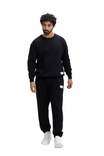



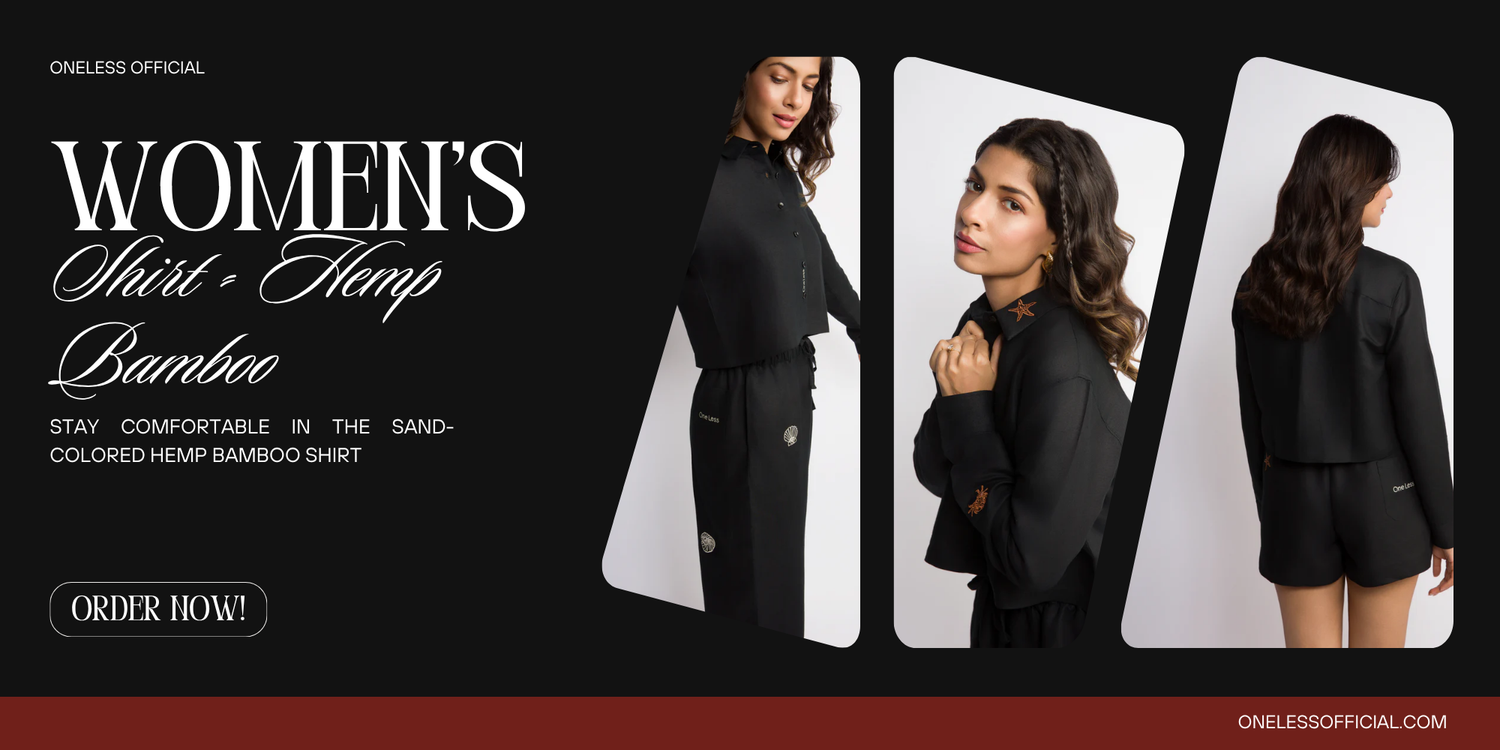
India's summers hit different. The kind of heat that makes you rethink every clothing choice before you even leave the house. And yet, most of us are still reaching for the same cotton t-shirt we've worn for years, not knowing there's a better option sitting right there.
Stepping out in May, within ten minutes, your cotton t-shirt is stuck to your back, you're uncomfortable, and the day has barely started. If you've worn the same outfit in bamboo fabric, you know exactly how different that experience feels. Cooler, drier, softer, and somehow still breathable three hours later.
India's summers are not just hot. They are humid, relentless, and long. The fabric you wear is not a small decision. This article breaks down why bamboo fabric outperforms regular cotton, specifically in Indian summer conditions, and why more people are making the switch.
What is Bamboo Fabric?
Bamboo fabric is made from the pulp of bamboo grass, processed into soft, fine fibres that are then woven into fabric. It has a naturally smooth texture, a slight sheen, and a feel that is often compared to a blend of cotton and silk, but lighter. Bamboo grows without pesticides, requires significantly less water than cotton, and regenerates quickly after harvesting. The fabric it produces carries several of those natural properties forward.
What is Regular Cotton?
Cotton is the most widely used fabric in India and globally. It is breathable, affordable, and widely available. In most climates and for most of the year, it performs well. But in intense heat and high humidity, conditions that define Indian summers from March to June, cotton has real limitations that bamboo does not share.
Bamboo vs Cotton - The Summer Breakdown
Breathability
Bamboo fabric has a naturally porous fibre structure that allows air to circulate more freely than tightly woven cotton. In humid Indian weather where air itself feels heavy, that difference is noticeable within the first hour of wear.
Moisture absorption
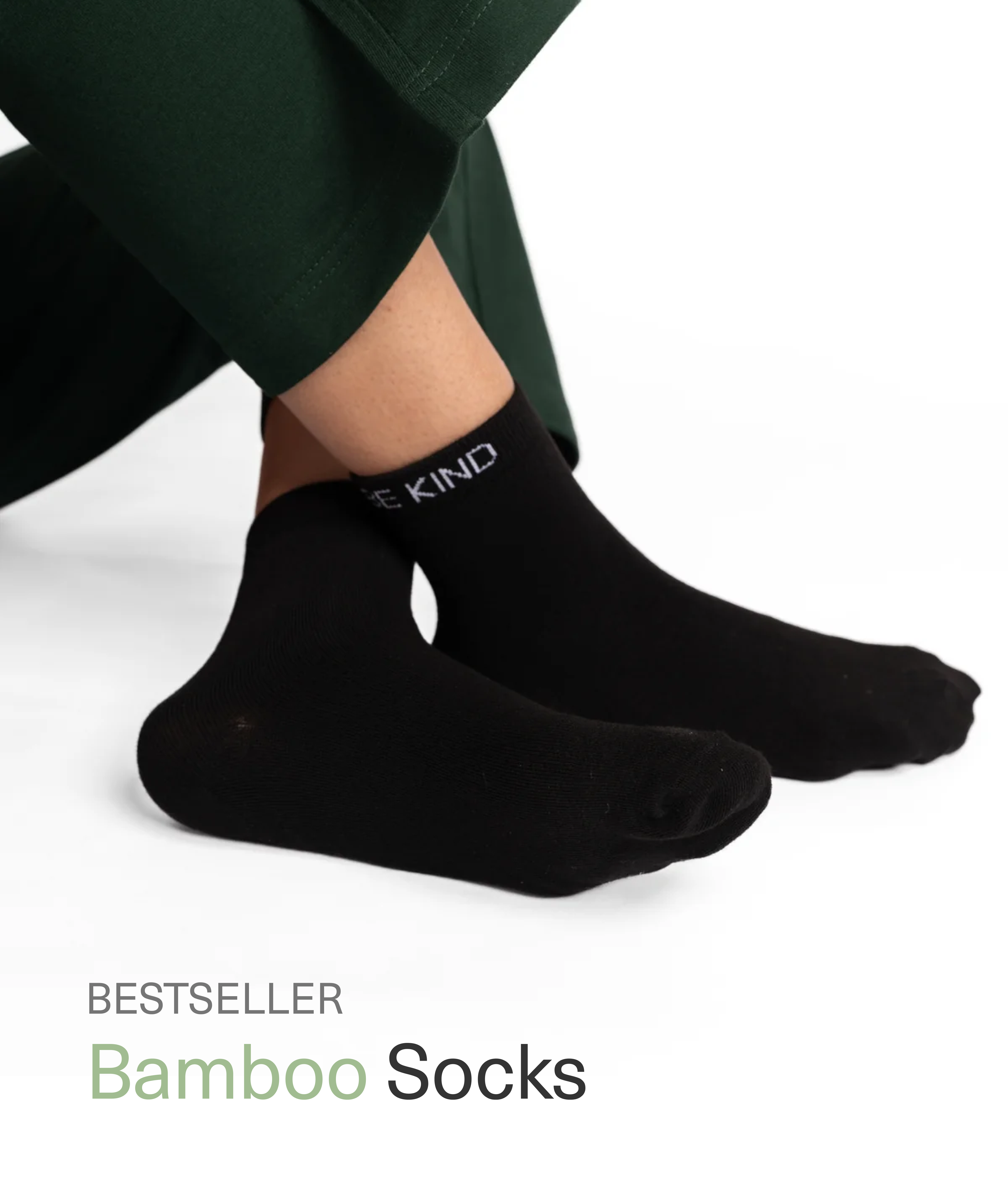
Bamboo absorbs moisture up to three times faster than cotton and wicks it away from the skin. In practical terms, when you sweat, bamboo pulls that moisture through the fabric and disperses it, keeping you drier for longer. Cotton absorbs sweat but holds it close to the skin, which is exactly why that damp, heavy feeling sets in. If you're ready to make the switch, Shop Bamboo Basics at One Less and feel the difference from day one.
Skin feel
Bamboo fibre is naturally smooth with no rough edges at the microscopic level. This makes it significantly softer than regular cotton and far less likely to cause irritation, redness, or rashes, a common summer complaint for people with sensitive skin. If you've ever had a cotton t-shirt cause friction or heat rash by the end of a long day, bamboo is worth trying.

Odour control
Bamboo has natural antibacterial properties, which means it resists the growth of odour-causing bacteria. Once wet with sweat, cotton creates an environment where bacteria multiply quickly. The result with bamboo is that you feel and smell fresher for longer, relevant for anyone who commutes, works outdoors, or has back-to-back meetings through a humid afternoon.
Drying time
Bamboo dries faster than cotton, important not just in summer but through the monsoon season when nothing seems to dry and damp clothes become their own problem.
Sustainability
Cotton is one of the most water-intensive crops in the world. Bamboo requires a fraction of that water, grows without synthetic pesticides, and does not deplete soil health. If you are trying to make more conscious choices about what you buy and wear, bamboo is one of the clearest upgrades available in everyday clothing.
Why Indian Summers Specifically Demand Bamboo
The combination of heat and humidity that defines an Indian summer is uniquely challenging for fabric. Dry heat is manageable; humidity is what makes cotton genuinely uncomfortable. Moisture does not evaporate quickly in humid air, which means sweat-soaked cotton stays sweat-soaked. Bamboo's moisture-wicking structure works against that. It moves moisture fast enough that even in high humidity, you stay noticeably drier.
Add to that the reality of Indian daily life, long commutes, outdoor errands, office environments with inconsistent AC, travel, and the bamboo case becomes practical rather than aspirational.
Who Should Make the Switch?
Bamboo fabric is particularly worth it if you have sensitive or acne-prone skin that reacts to heat and friction, if you sweat heavily during the day, if you spend time outdoors between March and June, or if you are trying to reduce the environmental footprint of your wardrobe without making dramatic changes. It is also one of the best fabrics for all-day wear, comfortable at 8am and still wearable at 8pm.
Things You Should Know
Q1. Is bamboo fabric good for summers in India?
Yes, bamboo fabric is one of the best choices for Indian summers. Its moisture-wicking and breathability properties directly address the heat-humidity combination that makes summer clothing uncomfortable.
Q2. Does bamboo fabric shrink after washing?
Bamboo fabric can shrink slightly on the first wash if exposed to high heat. Wash in cold water and air dry to maintain size and softness over time.
Q3. Is bamboo fabric better than cotton for sensitive skin?
Yes. Bamboo fibre is naturally smooth and free of the rough edges that cause friction and irritation. It is a strong choice for people with sensitive skin, heat rash, or eczema.
Q4. Is bamboo clothing expensive in India?
Bamboo clothing is slightly higher priced than basic cotton, but the durability and comfort over time make it genuinely good value. It lasts longer and performs better across more conditions.
Q5. Does One Less use pure bamboo fabric?
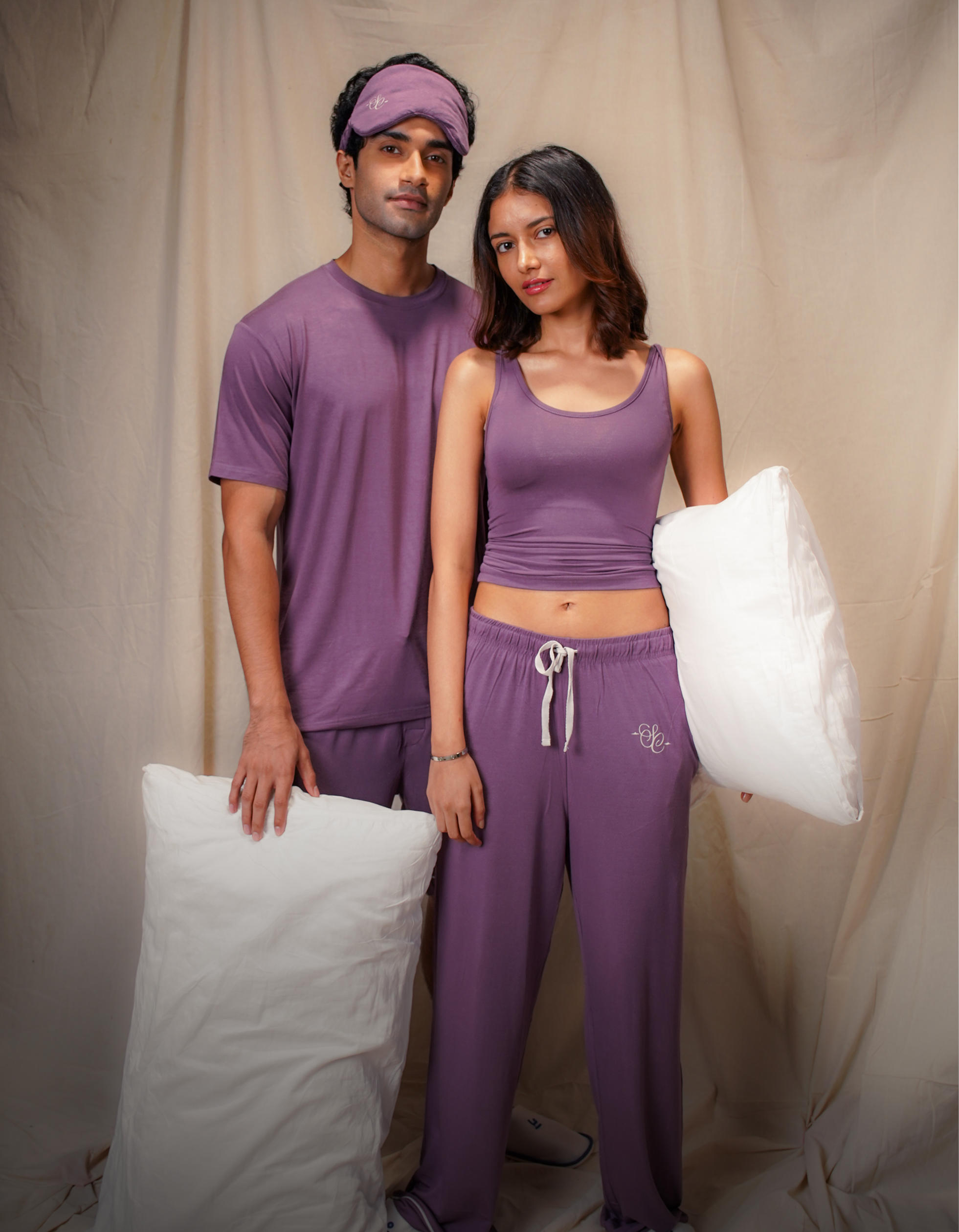
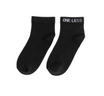
Yes. At One Less, our bamboo products are made from genuine bamboo fabric, naturally antibacterial, moisture-wicking, and sustainably sourced. No blends, no shortcuts.
Wrapping It All Up
The case for bamboo in Indian summers is not about trends. It is about fabric science meeting real climate conditions. Cooler, softer, drier, and kinder to the planet, bamboo is simply a better choice for the six months of the year when what you wear matters.
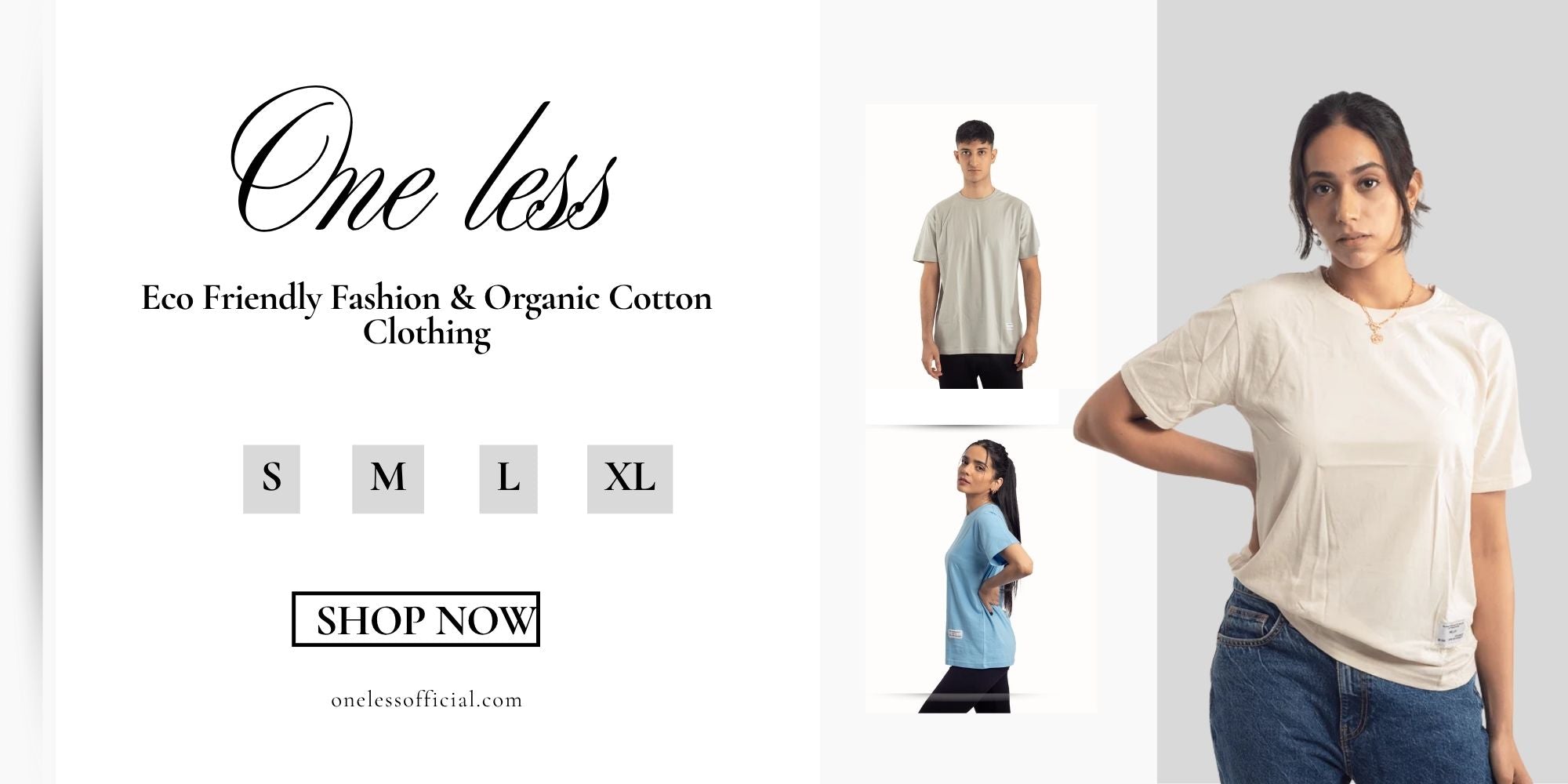
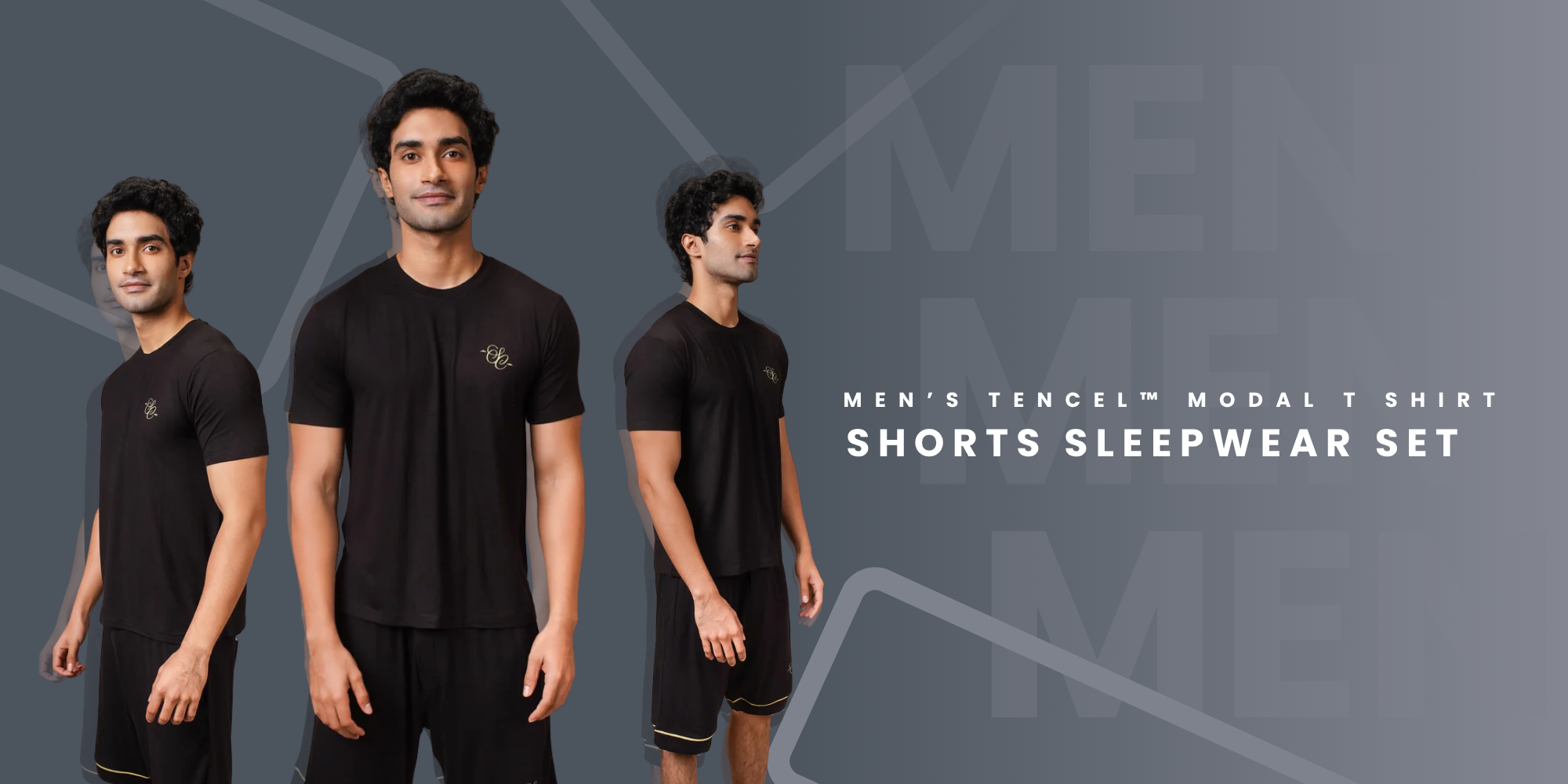
Explore bamboo clothing at One Less, sustainably made, unisex, and built for Indian weather.


Leave a comment
This site is protected by hCaptcha and the hCaptcha Privacy Policy and Terms of Service apply.