

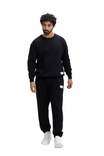
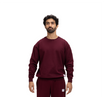
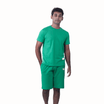
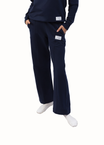
Hemp-bamboo fabric is a sustainable textile blend made by spinning hemp and bamboo fibres together, combining hemp's strength with bamboo's softness. It uses minimal water, zero pesticides, and biodegrades naturally, making it one of the lowest-impact fabrics in fashion today.
It matters because most clothing today still relies on synthetic, fossil-fuel-based fabrics that take centuries to break down. Hemp-bamboo offers a genuine alternative, durable, breathable, and kind to the planet. It's exactly the kind of fabric brands like One Less are built around: clean materials, ethical sourcing, and pieces designed to last.
If you've been seeing hemp shirts and bamboo shirts pop up everywhere lately, there's a good reason for that.
Hemp vs. Bamboo: A Quick Look at Each
Before diving into the blend, it helps to understand what each fibre brings to the table.
Hemp: The Underrated Powerhouse
Hemp has been used in textiles for thousands of years. It's one of the most low-maintenance crops on the planet.
- Grows in dense clusters, naturally suppressing weeds.
- Requires very little water compared to conventional cotton.
- Actually improves soil health as it grows.
- Gets softer with every wash.
Hemp shirts were once considered rough and utilitarian. That reputation is outdated. Modern processing makes hemp fabric smooth, breathable, and genuinely comfortable for daily wear.
Bamboo: The Silky Sustainable
Bamboo is technically a grass, and it grows at a remarkable pace. Some species grow several feet in a single day.
- Naturally antibacterial and odour-resistant.
- Incredibly soft against the skin.
- Regulates body temperature, keeping you cool in heat and warm when it dips.
- Moisture-wicking, making it ideal for India's climate.
Bamboo shirts have gained a serious following for exactly these reasons: they feel good, and they hold up.

What Happens When You Blend the Two?
When hemp and bamboo come together, the blend amplifies the strengths of both fibres while softening each one's limitations.
Hemp alone can be slightly coarse in its early washes. Bamboo alone can sometimes lack the structure and durability that everyday wear demands. Together?
You get a fabric that is:
- Soft from the start - No break-in period.
- Durable and long-lasting - holds its shape wash after wash.
- Naturally breathable - Great for warm climates and long days.
- Odour-resistant - Bamboo's antibacterial properties carry through the blend.
- Temperature-regulating - keeps you comfortable as the day shifts.
It's the kind of fabric that works just as well for a morning walk as it does for a laid-back evening out.
Why Does It Matter? The Environmental Case
Here's the part that actually changes things.
Conventional cotton, the fabric most of our wardrobes are built on, is one of the most water-intensive and pesticide-heavy crops in the world. The fashion industry's environmental footprint is well-documented, and it isn't pretty.
Hemp restores rather than depletes. It returns nutrients to the soil and can even absorb carbon dioxide as it grows. It doesn't need synthetic fertilisers or pesticides to produce a strong yield.
Bamboo regenerates naturally after harvesting. There's no need to replant - the roots stay intact and new shoots emerge on their own. That means less land disruption and no replanting costs.
Choosing a hemp-bamboo shirt isn't just a wardrobe decision. It's a quiet vote for farming practices that don't exhaust the land.
Hemp-Bamboo for the Indian Climate
This is worth talking about specifically because India's heat and humidity can be brutal on fabric.
Linen shirts have long been the go-to for warm weather, and for good reason. Linen is breathable, gets better with age, and has a relaxed elegance about it. Linen shirts for women and relaxed linen shirt styles have been staples in Indian wardrobes for years.
But hemp-bamboo gives linen some real competition.
Where linen can wrinkle aggressively and sometimes feel scratchy, hemp-bamboo stays soft, resists odour through long days, and has a slightly more relaxed drape. For long sleeve hemp shirts that you actually want to wear through the afternoon? Hemp-bamboo holds up in a way few fabrics do.
It's also worth noting that the colour payoff on hemp-bamboo is excellent. The neutral, earthy tones, think sand, coal, blush, sit beautifully on the fabric. If you love a pink colour shirt or softer pastel palette, hemp-bamboo takes dye beautifully without harsh chemical processes.
How Does It Compare to Other Sustainable Fabrics?
|
Fabric |
Softness |
Breathability |
Durability |
Eco Impact |
|
Hemp-Bamboo |
⭐⭐⭐⭐⭐ |
⭐⭐⭐⭐⭐ |
⭐⭐⭐⭐⭐ |
Very Low |
|
Organic Cotton |
⭐⭐⭐⭐ |
⭐⭐⭐⭐ |
⭐⭐⭐ |
Low |
|
Linen |
⭐⭐⭐ |
⭐⭐⭐⭐⭐ |
⭐⭐⭐⭐ |
Low |
|
Tencel |
⭐⭐⭐⭐⭐ |
⭐⭐⭐⭐ |
⭐⭐⭐ |
Very Low |
|
Conventional Cotton |
⭐⭐⭐⭐ |
⭐⭐⭐ |
⭐⭐⭐ |
High |
Each sustainable fabric has its sweet spot. But hemp-bamboo consistently punches above its weight, especially when you factor in how it wears over time.
What to Look for in Hemp-Bamboo Clothing
Not all hemp-bamboo garments are made equal. Here's what to pay attention to when you're shopping.
- Check the blend ratio. A good hemp-bamboo fabric typically has a balanced ratio of both fibres. Too much synthetic filler and you lose the natural benefits.
- Look at the dyeing process. The fabric choice can be sustainable, but a toxic dyeing process undermines all of it. Brands that are serious about sustainability are transparent about how their colours are made.
- Feel the weight. Hemp-bamboo should feel substantial but not heavy. It has a natural drape that sits differently from synthetic blends, you'll notice it.
- Consider the construction. Well-constructed hemp-bamboo shirts, whether long sleeve shirts, relaxed fits, or co-ord sets, should have clean stitching and hold their structure through multiple washes.
Hemp-Bamboo at One Less
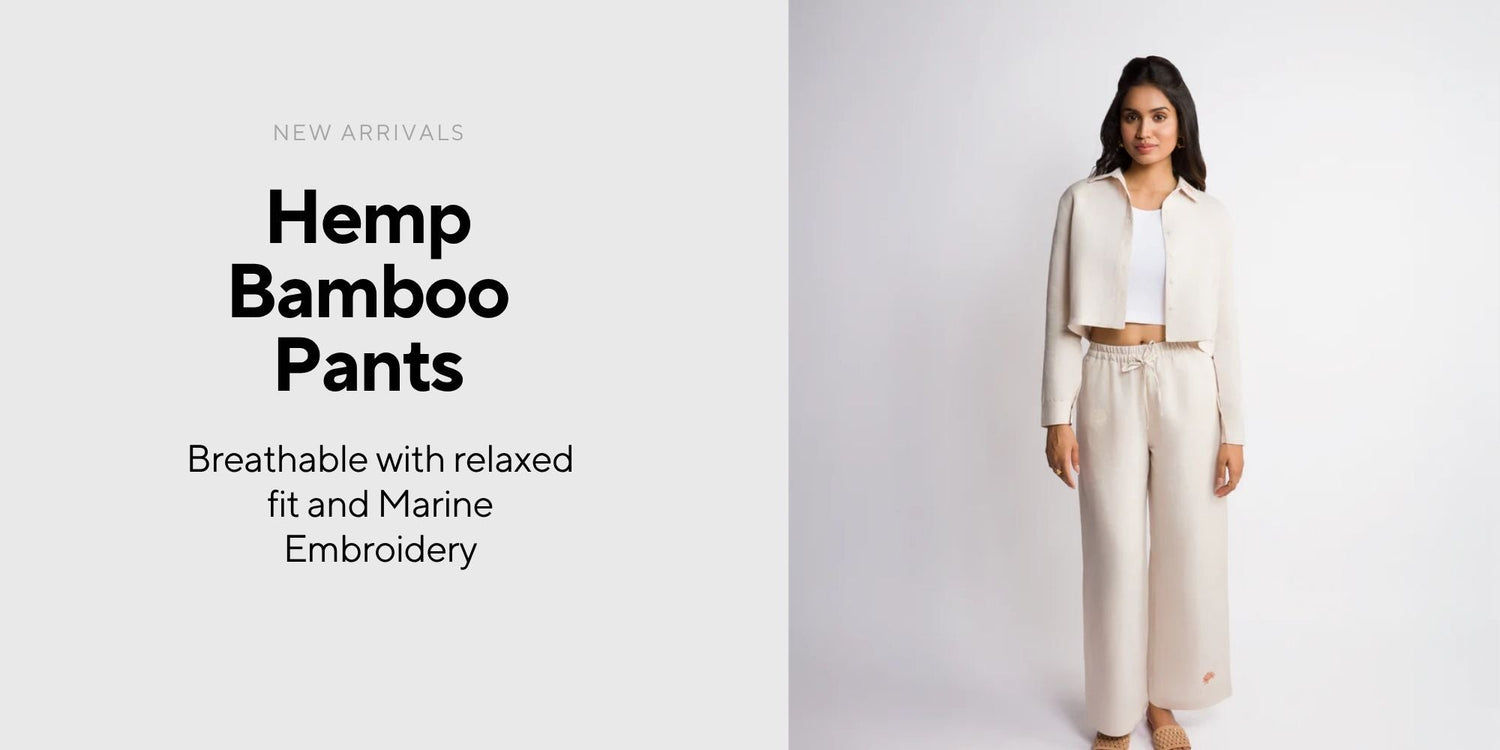
At One Less, the Hemp-Bamboo collection is built around exactly the kind of everyday dressing we think about, clothes that feel good, look considered, and don't cost the earth (literally).
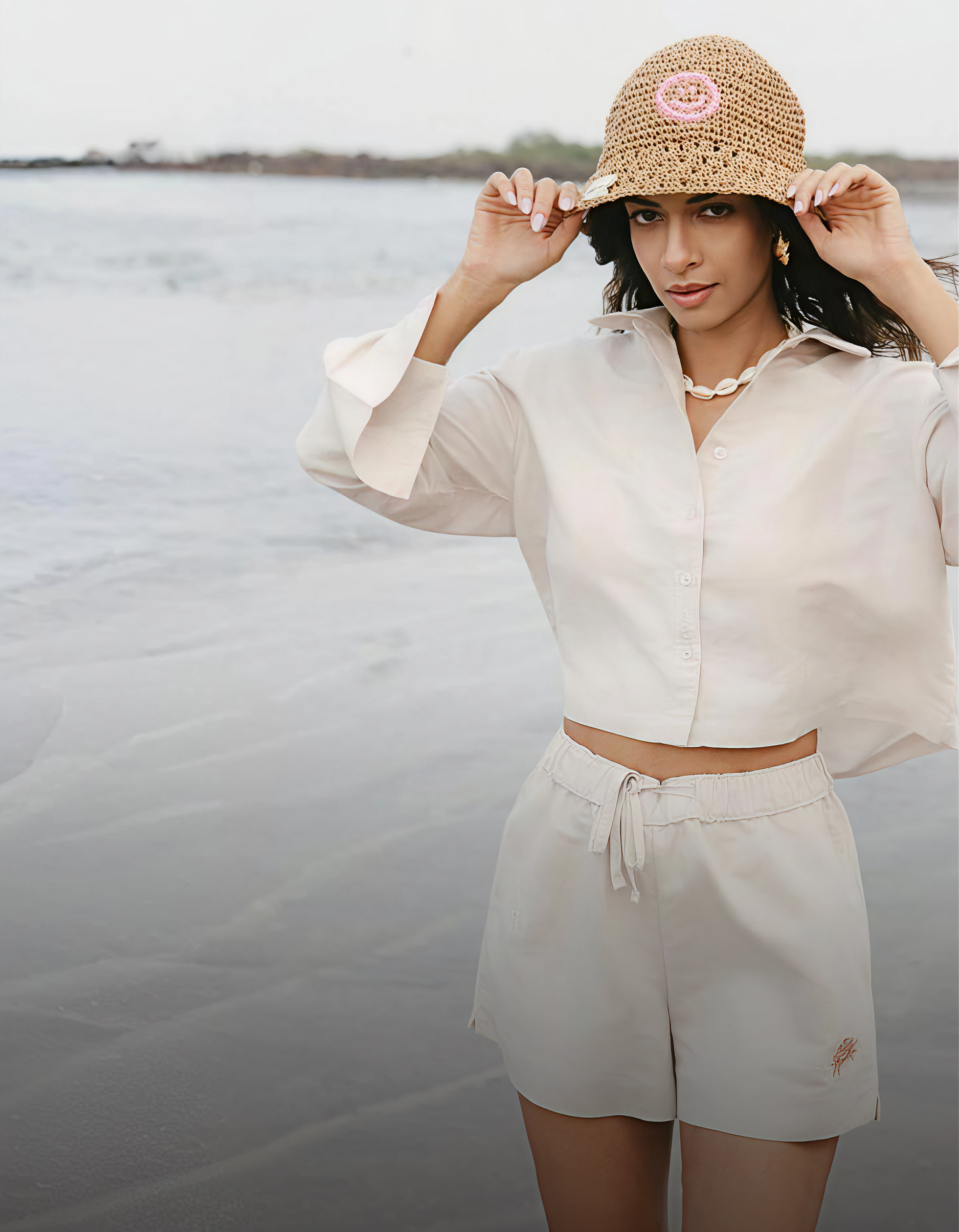
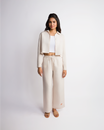
The shirts come in Sand, Coal, and Blush, earthy, wearable tones that pair easily with linen shorts, relaxed trousers, or anything else you already own. The long-sleeve shirt silhouette is relaxed and unisex, designed to be worn tucked, untucked, layered, or on its own.
Ready to Try Hemp-Bamboo for Yourself?
Our Hemp-Bamboo shirts come in Sand, Coal, and Blush, soft from the first wear, breathable through Indian summers, and built to outlast fast fashion.
Shop the Hemp-Bamboo Collection →
Every purchase plants a tree. No exceptions.
Let's Clear Things Up
Q1. What is hemp-bamboo fabric made of?
Hemp-bamboo fabric is a blend of hemp and bamboo fibres spun together into yarn and woven into fabric. Hemp comes from the Cannabis sativa plant, while bamboo is processed from bamboo pulp. The combination creates a fabric that is soft, strong, breathable, and naturally sustainable.
Q2. What are the key benefits of hemp-bamboo fabric compared to cotton?
Hemp-bamboo fabric is more durable, antibacterial, and moisture-wicking than conventional cotton. It keeps you cool in summer and warm in winter, resists odour, and gets softer with every wash, making it a superior everyday fabric.
Q3. Is hemp-bamboo fabric eco-friendly?
Very sustainable. Hemp plants grow without pesticides, use minimal water, and enriches the soil. Bamboo grows rapidly without replanting. Together, they produce a fabric with a far lower environmental footprint than cotton or synthetic fabrics.
Q4. Is hemp-bamboo fabric good for sensitive skin?
Yes. It is naturally hypoallergenic, antibacterial, and free from harsh chemical residues. The fabric is gentle on skin, resists microbial build-up, and becomes softer over time, making it ideal for people with eczema or skin allergies.
Q5. Why is hemp-bamboo considered the future of sustainable fashion?
The fashion industry is one of the world's biggest polluters. Hemp-bamboo fabric offers a cleaner, longer-lasting alternative that reduces carbon emissions, water usage, and chemical waste, making it a key fabric in the shift toward sustainable fashion.


Leave a comment
This site is protected by hCaptcha and the hCaptcha Privacy Policy and Terms of Service apply.