




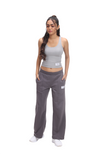
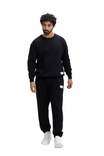

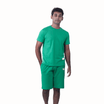
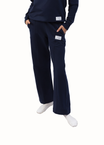





By the time April arrives, most people in India have already started rethinking their wardrobes. The afternoon heat in Delhi hits differently than the sticky humidity of Mumbai or Chennai. And standing in front of a rack of summer clothes, linen on one side, cotton on the other, the question is almost always the same: which one actually works?
Both fabrics have earned their place in Indian summers. But they don't perform the same way, and the right choice depends on where you live, what you're doing, and how your body responds to heat.
Which Is Better for Indian Summer?
For most Indian summer conditions, linen has a slight edge, particularly in dry heat. It is more breathable than cotton, dries faster when you sweat, and gets softer with wear. However, cotton performs better in high-humidity coastal climates, where its softer texture and sweat-absorbing properties feel more comfortable against the skin. For everyday wear, organic cotton clothes remain the more practical and versatile choice for most people.

What Makes Linen and Cotton Popular Summer Fabrics?
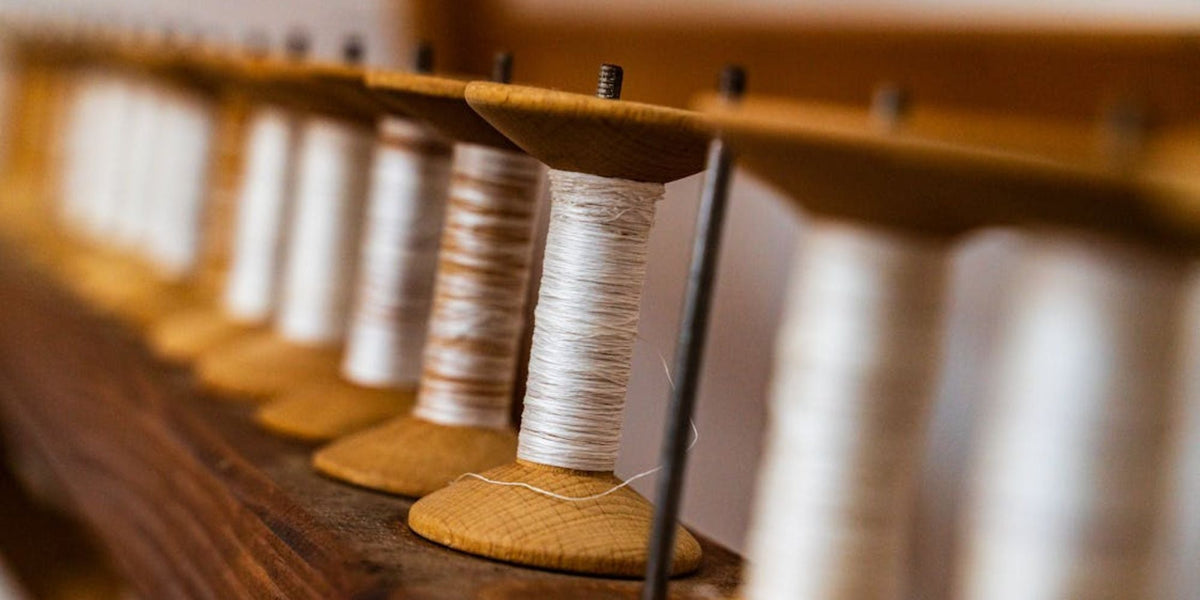
Linen comes from the flax plant. It has a naturally loose, open weave that allows air to circulate freely. It's one of the oldest fabrics in human history, and the reason it has stayed relevant is straightforward: it works in heat.
Cotton comes from the cotton plant and is arguably India's most familiar fabric. It's soft from the first wear, widely available, easy to maintain, and produced domestically in large quantities. When it comes to summer clothing, cotton's comfort and accessibility have made it the default choice for generations.
Both fabrics are plant-based and breathable. The difference lies in degree, and in how each performs under specific conditions.
Indian Summer Climate & Fabric Choice
India’s summer conditions vary significantly by region, so the best fabric can depend on both temperature and humidity. In many northern and central parts of India, summer temperatures can regularly reach 35-45°C, while coastal regions often experience high humidity along with temperatures around 30-35°C. Hot and humid conditions increase the importance of breathable, moisture-managing fabrics.
| Indian Summer Condition | Linen | Cotton |
|---|---|---|
| High temperatures | Excellent airflow and breathability | Very breathable |
| Hot & dry weather | Excellent choice | Comfortable |
| Hot & humid weather | Dries relatively quickly and stays airy | Absorbs moisture but can feel damp |
| Everyday wear | Lightweight and airy | Soft and versatile |
| Sweat management | Good airflow helps evaporation | Absorbs sweat effectively |
| Long outdoor use | Comfortable when loosely woven | Comfortable, especially in lightweight weaves |
For India's hot summers, both linen and cotton can work well. Linen generally offers better airflow and tends to feel cooler in very hot conditions, while lightweight cotton is soft, absorbent and versatile for everyday wear.
Which Fabric Works Better for Indian Weather?
-
North Indian Dry Heat
In cities like Delhi, Jaipur, or Lucknow, linen performs better. Its open weave lets heat escape and dries quickly, useful when you're constantly moving between outdoor heat and AC.
-
Coastal and Humid Climates
In Mumbai, Kochi, or Chennai, cotton wins. Linen can feel rough against sweaty skin after a few hours. Lightweight cotton stays softer and more forgiving in sustained humidity.
-
Daily Wear
Cotton is the easier choice, low maintenance, widely available, and doesn't wrinkle the way linen does through a long day.
-
Office Wear
Linen looks good in the morning, but creases by afternoon. In a fully air-conditioned office, it's manageable; otherwise, cotton holds its shape better.
- Travel
Linen packs light and doesn't hold odour easily. Cotton is softer for overnight or multi-day trips where comfort matters more than appearance.
Linen vs Cotton for Different Clothing Types
- Shirts: Linen shirts breathe better and suit casual outdoor occasions. Cotton shirts, especially poplin, look crisper and work better for office or formal wear.
- Pants and Trousers: Linen trousers are light and don't cling, but they crease visibly. Cotton trousers offer more structure through a full day.
- T-Shirts: Cotton's category entirely. Organic t-shirts in 100% cotton are softer, easier to care for, and more comfortable for everyday summer wear than any linen alternative.
- Shorts and Casual Bottoms: Organic cotton shorts are the reliable summer staple, comfortable, easy to wash, and good shape retention. For home wear, cotton sweatpants and organic cotton sweatpants outperform linen in softness and drape. Weighing up linen shorts specifically? Read our full linen shorts vs. regular shorts breakdown.
How Sustainable Are Linen and Cotton?
Linen needs very little water and almost no pesticides to grow. The entire flax plant is used, waste is minimal, and it biodegrades naturally. The main limitation for Indian shoppers: most linen is processed in Europe, adding a transport footprint.
Conventional cotton is water-intensive and pesticide-heavy. Organic cotton is a different story, grown without synthetic chemicals, it uses significantly less water and supports healthier farming. Organic cotton clothes and sustainable clothing made from certified organic cotton are a practical, accessible step toward more responsible buying.
Final Verdict: Linen or Cotton for Summer in India?
When it comes to linen vs cotton performance in India's summer, neither fabric is universally better. It depends on where you are, what you're doing, and what you're willing to manage.
- Choose linen - if you live in a dry-heat city, prefer airy, breathable fabrics, and don't mind a more relaxed, textured look. It's genuinely excellent for outdoor summer wear and casual occasion dressing.
- Choose cotton - if you're in a humid climate, need something versatile across formal and casual settings, or want the softest feel for daily wear. Organic cotton in particular is an excellent all-rounder, comfortable, sustainable, and practical.
Brands like One Less have built their entire range around GOTS-certified organic cotton, proof that everyday summer dressing doesn't have to cost the planet anything extra.
For most Indian consumers, building a summer wardrobe with both is the honest answer. Linen for the afternoons and occasions. Cotton, especially organic cotton clothes, for everything else.
FAQs
Is cotton better for humid weather?
Yes. Cotton's soft texture and moisture absorption make it comfortable in humid conditions. However, lightweight linen can offer better airflow and may dry faster, making it another suitable option for hot and humid weather.
Is linen good for Indian summers?
Yes. Linen is particularly well suited to hot Indian summers because it is lightweight, breathable, and allows good airflow. It can be especially comfortable in hot and dry regions where temperatures can rise significantly during summer.
Is linen cooler than cotton in hot weather?
Linen can feel cooler than cotton because its natural fibre structure and weave allow more airflow around the body. However, the actual comfort depends on factors such as fabric weight, weave, garment fit, and the local climate.
Are cotton and linen suitable for different Indian climates?
Yes. Both fabrics can work well across India, but the choice can depend on local weather. Lightweight cotton can be comfortable in humid regions because it absorbs moisture, while linen's breathability and airflow can make it particularly comfortable in hot and dry conditions.
Which fabric wrinkles more?
Linen wrinkles significantly more than cotton. These natural creases are part of linen's character, but they may look less polished in formal settings. Cotton generally maintains a smoother appearance with less wrinkling.
Which fabric is easier to maintain?
Cotton is generally easier to maintain because many cotton garments can be machine washed and are relatively forgiving. Linen may require more careful washing and drying to help maintain its texture and shape.
Are organic cotton clothes better?
Organic cotton can be a good choice for people looking for a more environmentally conscious fabric. It is grown according to organic farming standards that restrict the use of certain synthetic pesticides and fertilisers. Its softness and breathability also make it suitable for summer clothing.
What is the best summer fabric for India overall?
There is no single best fabric for every part of India. Lightweight organic cotton is a practical choice for many people because it is breathable, comfortable, versatile, and suitable for humid conditions. Linen can be an excellent alternative for particularly hot weather, especially when maximum airflow is a priority.



Leave a comment
This site is protected by hCaptcha and the hCaptcha Privacy Policy and Terms of Service apply.